
Behind the walls of the toughest prisons: between reality and fiction
The topic of "the most terrifying prisons in the world" invariably evokes a strong emotional response. Descriptions of isolation, violence, torture, and complete loss of human dignity sound like the plot of a dystopia. But where is the line between journalistic exaggeration and factually confirmed reality?
In this material, we analyze claims from the video and check them for factual accuracy.
"Black Dolphin," Russia
"Prisoners sleep with the lights on... their eyes are covered during movement... the 'swallow' position is used... there have been no escapes."
The special regime correctional colony IK-6 in Sol-Iletsk is indeed considered one of the strictest institutions in Russia. According to the Federal Penitentiary Service, it houses inmates sentenced to life imprisonment - murderers, terrorists, serial offenders.
The conditions include round-the-clock surveillance, limited outdoor activities, and strict security measures. Information about movement with a bent body and hands fixed behind the back is confirmed by journalistic investigations and reports from Russian media. The practice of covering eyes has also been mentioned in publications.
As for the absence of escapes - no confirmed cases of successful escapes have indeed been recorded. However, it is worth noting that strict regimes are not unique in themselves. Similar conditions exist in other institutions for life-sentenced inmates in various countries.
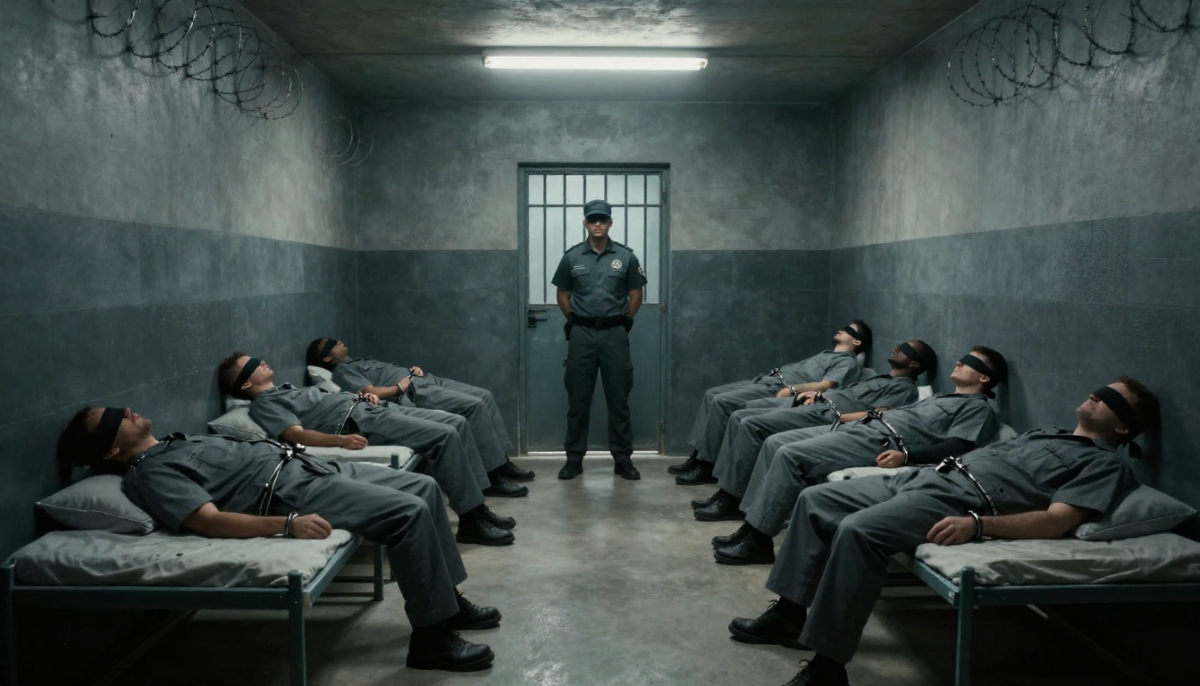
Sante Prison, France
"In 1999, 124 inmates committed suicide."
Here arises the first serious problem with the numbers. According to the Ministry of Justice of France and publications from Le Monde, the year 1999 indeed became a record year for the number of suicides in French prisons - around 124 cases nationwide. However, this did not refer to the Santé prison in Paris, but to the entire penitentiary system of France.
The Santé prison is known for its harsh conditions prior to the 2014-2019 reconstruction. Reports from oversight bodies documented unsanitary conditions, violence, and a high workload on staff. But attributing 124 suicides in a year to it is inaccurate.
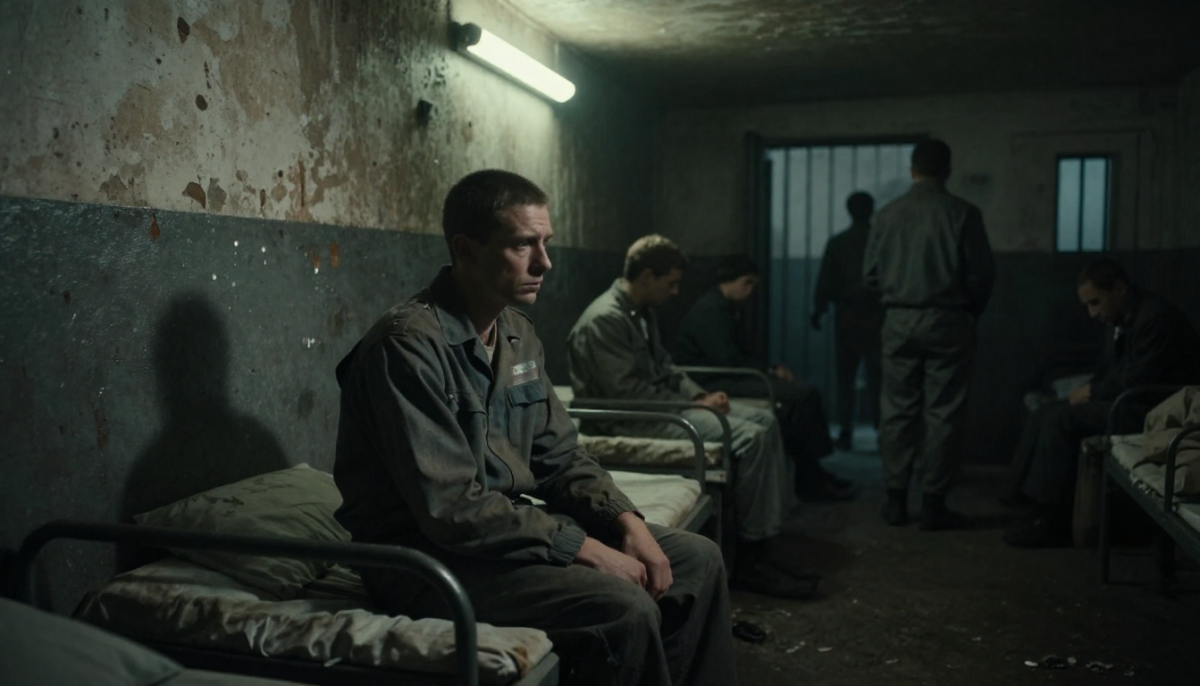
Bangkwang, Thailand
“Torture, 25 people in a 6 by 4 meter cell, outbreaks of cholera and diphtheria.”
Bangkwang Prison, known as the “Bangkok Hilton” in the Western press, is indeed intended for those sentenced to long terms and death penalties. Reports from Amnesty International and Human Rights Watch have documented overcrowding and severe sanitary conditions.
However, claims of systematic outbreaks of cholera and diphtheria should be approached with caution. There are no confirmed regular epidemics of these specific diseases in official reports. Overcrowding and poor hygiene - yes. Mass epidemics as a constant norm - not documented.
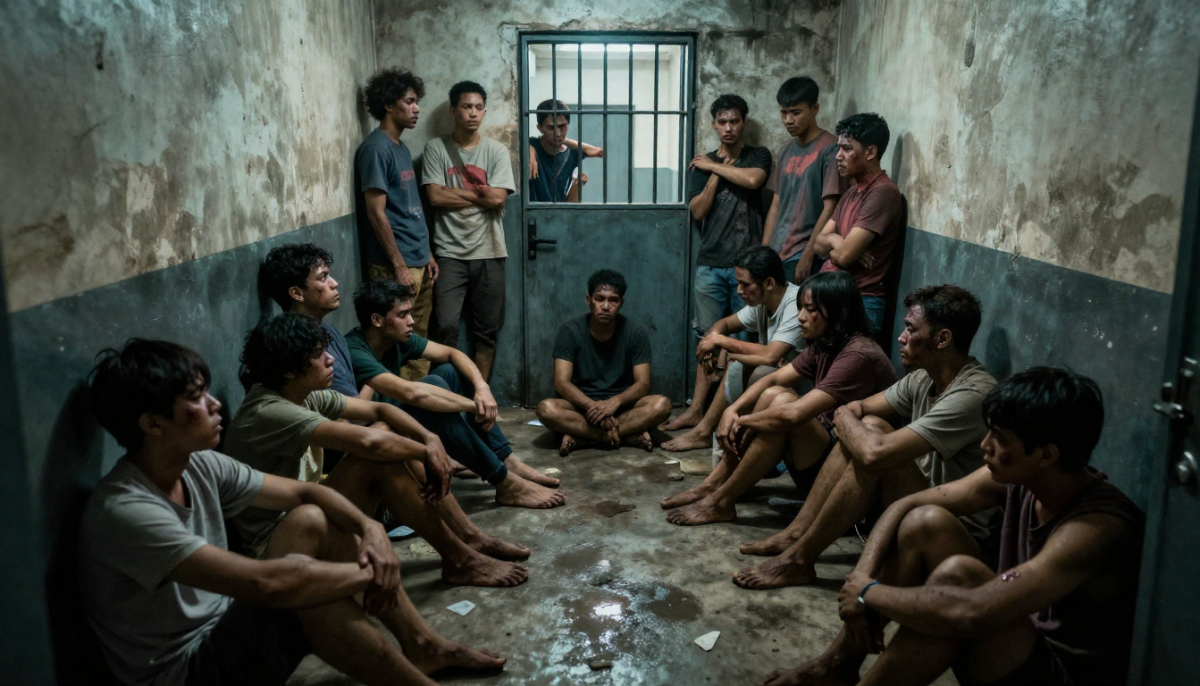
La Sabaneta, Venezuela
“3,700 people with a norm of 700… decapitation is a common occurrence.”
The overcrowding of Venezuelan prisons was indeed critical. According to the Observatorio Venezolano de Prisiones, the level of violence in the 1990s and 2000s was extremely high. Dozens of deaths were recorded annually in La Sabaneta.
However, the phrasing “decapitation is a common occurrence” seems to be hyperbolically sensationalized. There were individual particularly brutal incidents, but portraying them as an everyday norm is an exaggeration.
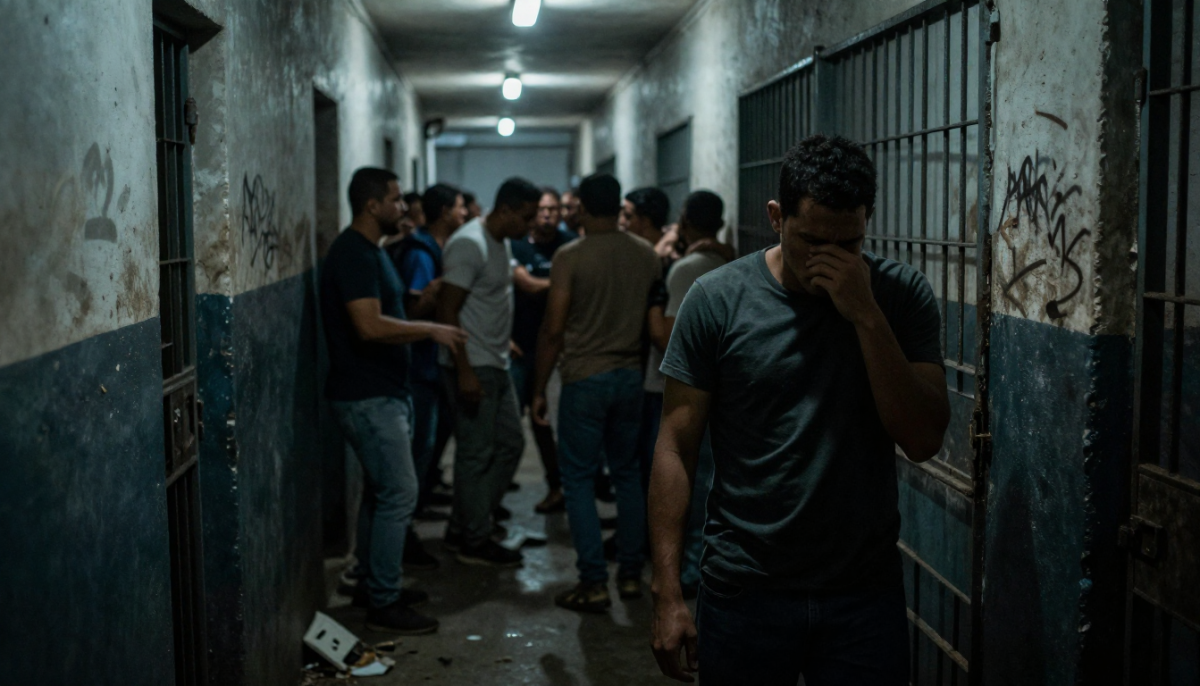
La Modelo, Colombia
“Easy access to weapons and grenades… 25 killed on April 27, 2000.”
Colombian prisons in the 1990s were indeed characterized by weak control and the influence of armed groups. Documents from Human Rights Watch confirm instances of armed clashes within the facilities.
The 2000 incident involving the mass death of inmates is reflected in international reports. However, “easy access to grenades” rather describes specific periods of crisis rather than a constant norm of operation.
Yes, this section can also be significantly strengthened. Currently, it notes the fact of overcrowding but does not reveal the main issue - why the situation became so extreme in the first place and how it transformed over time. In the case of Rwanda, context is essential: without it, the numbers appear as an abstract horror.
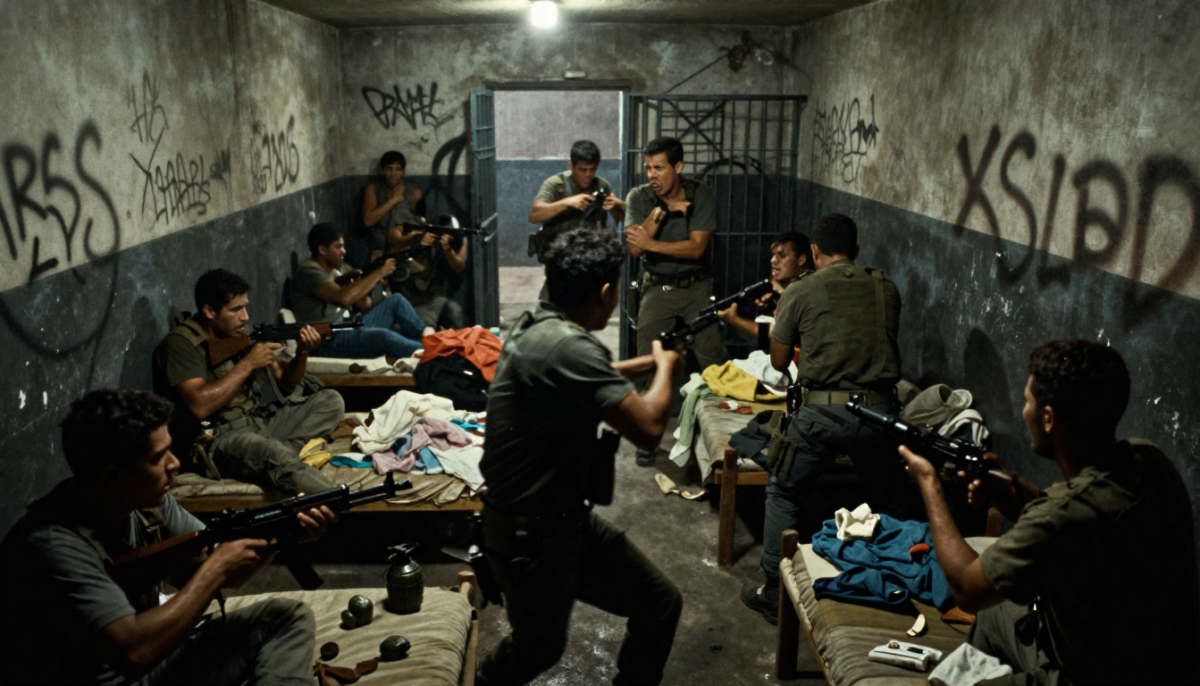
Muhanga, Rwanda
"7000 people with a norm of 400... amputations due to infections."
After the genocide in 1994, Rwanda faced an unprecedented crisis of justice. According to estimates from international organizations, around 800,000 people were killed within a few months. As a result, the new authorities began mass arrests of those suspected of participating in the genocide. By the end of the 1990s, over 120,000 people were held in the country’s prisons, with infrastructure designed for approximately 18,000.
It is in this context that the situation in the Muhanga prison (formerly Gitarama) should be understood. Figures in the range of 6000–7000 inmates with a design capacity of about 400–600 places indeed appear in reports from the International Committee of the Red Cross and Human Rights Watch from the mid-1990s.
The overcrowding was extreme. Inmates slept standing or sitting, with virtually no possibility of lying down. The lack of ventilation, sewage, and clean water led to outbreaks of dysentery, skin infections, and gangrene. Documented cases showed that prolonged standing in filth and lack of medical assistance resulted in severe infections of the limbs. In some instances, this indeed ended in amputations.
However, it is important to emphasize: this refers primarily to the mid-1990s—a period of institutional collapse. The state, having experienced genocide, physically lacked the resources to manage such a number of inmates.
Since the early 2000s, the situation began to gradually change. Gacaca courts were established for expedited case processing, some inmates were released or transferred to alternative forms of punishment. International aid contributed to improvements in sanitary conditions and medical care.
This does not mean that the problem has completely disappeared. But depicting Muhanga as an unchanging space of mass death does not reflect the dynamics. In reality, we see a sharp peak of humanitarian catastrophe in the post-genocide period followed by a gradual stabilization.
In the case of Rwanda, it is especially important not to detach the prison from its historical context. The overcrowding was a consequence not of a crime wave, but of the state's attempt to legally process the aftermath of mass population destruction. This does not justify the conditions of detention, but explains their origin.
It is this connection between the genocide, mass arrests, and institutional overload that makes Muhanga an example of how a national-scale catastrophe can paralyze the justice system and turn a prison into a space of humanitarian crisis.
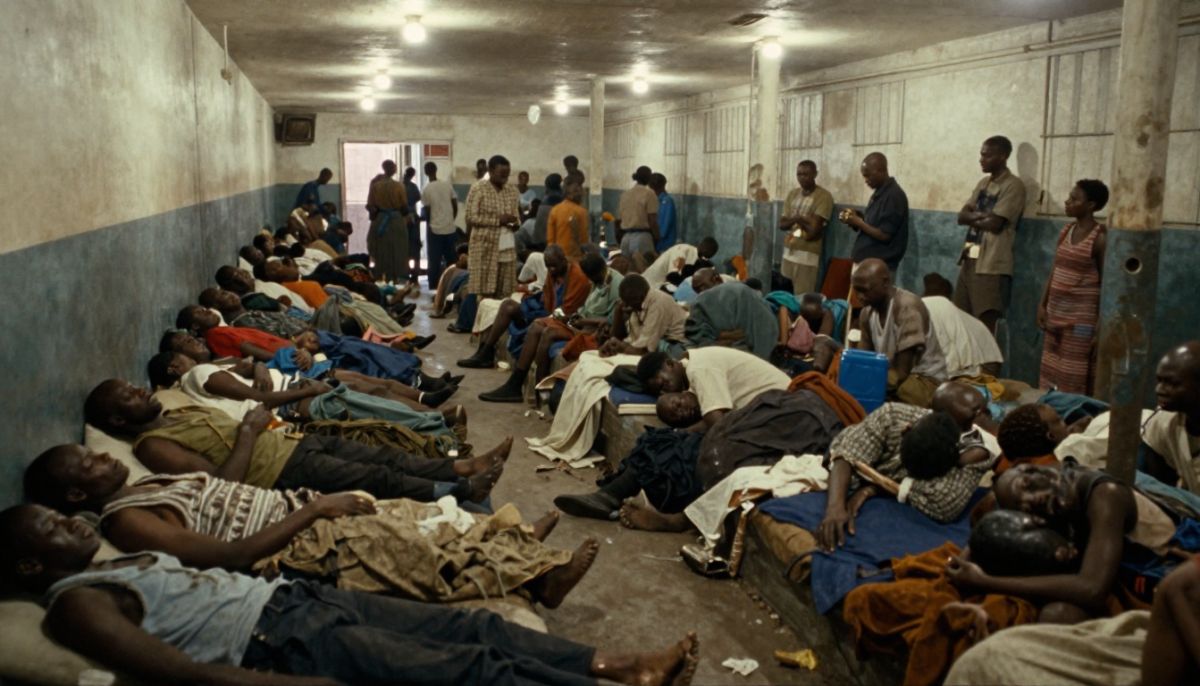
Guantanamo, USA
“Torture, simulated drowning, lack of charges.”
The 2014 U.S. Senate report on the CIA program confirmed the use of "enhanced interrogation techniques," including waterboarding. Amnesty International and the UN have repeatedly criticized the legal status of detainees.
The fact of prolonged detention without charges is documented. However, it is important to distinguish: not all claims of torture have been confirmed by official investigations; some are based on testimonies from detainees and human rights organizations.
Yes, this section can also be strengthened. It is currently accurate, but too concise for such an important institution. ADX Florence is an interesting case: it is not chaos like in Carandiru, nor mass executions like in Tadmor, but institutionalized isolation as a tool of control. This requires a deeper analysis.
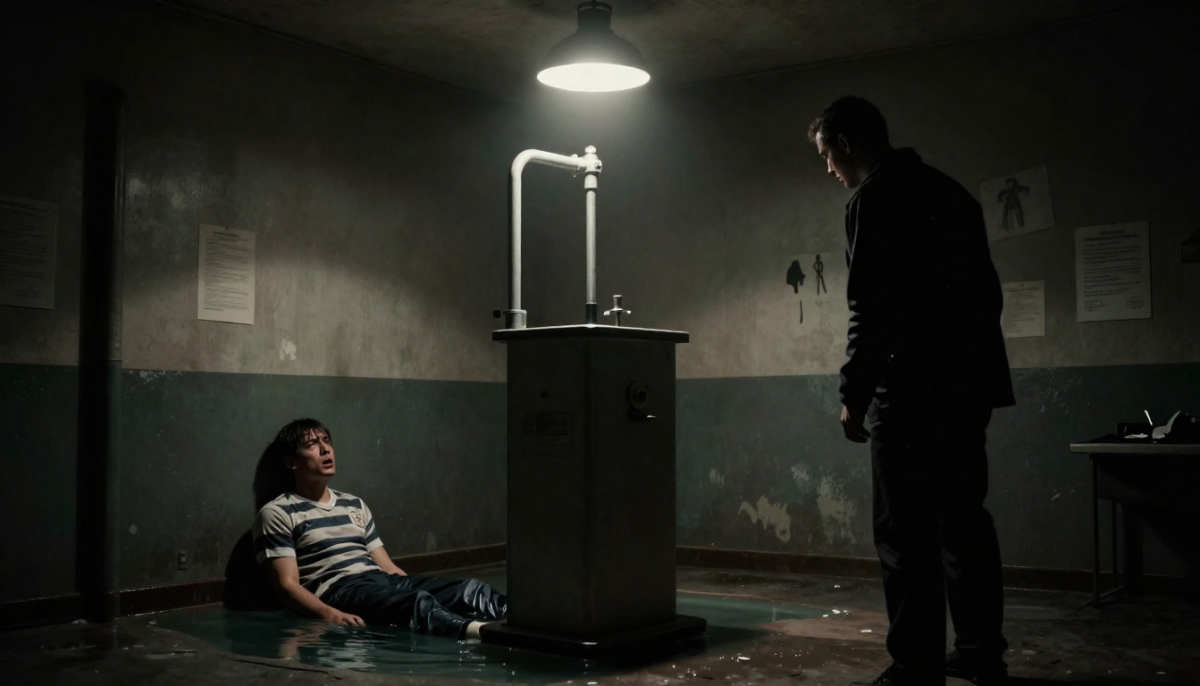
ADX Florence, USA
“A cleaner version of hell… 23 hours in solitary confinement.”
ADX Florence is a federal supermax prison in Colorado, opened in 1995. It remains the only federal supermax facility in the U.S.
The 23-hour isolation regime is confirmed by official materials from the Federal Bureau of Prisons. Inmates are housed in solitary cells measuring about 7–8 square meters. The cells are equipped with concrete furniture — the bed, table, and stool are cast into the floor. The windows are narrow and designed so that the inmate cannot see the surrounding landscape, only a fragment of the sky. The hour of “exercise” takes place in an individual concrete yard, often referred to as a “dog run.”
The phrase “clean version of hell” is indeed attributed to former warden Robert Hood. It is important to note the word “clean.” Unlike the previously described prisons, ADX Florence is not characterized by unsanitary conditions, chaotic violence, or epidemics. It is a sterile, administratively structured system of complete isolation.
The context of ADX's emergence is fundamentally important. The prison was the result of the crisis of the 1980s, particularly the murders of guards at the federal prison in Marion. Following this, the concept of “management through isolation” was formulated: if it is impossible to control dangerous inmates in a collective environment, they must be completely separated.
The main contingent of ADX consists of terrorists, leaders of organized crime groups, serial killers, and individuals who have committed murders in other prisons. Among former inmates are members of Al-Qaeda, Unabomber Ted Kaczynski, and Mexican drug lord Joaquín Guzmán (prior to his extradition to another facility).
Criticism of ADX is not related to mass killings but to the psychological consequences of prolonged isolation. Human rights organizations and psychiatrists point to:
- the development of depression and psychosis,
- the intensification of anxiety disorders,
- instances of self-harm and suicides.
In 2012, a group of inmates filed a class-action lawsuit against the Federal Bureau of Prisons, claiming that prolonged isolation exacerbates mental disorders. In 2015, an agreement was reached for partial reforms and improved medical monitoring.
Thus, ADX Florence is not a space of chaotic brutality but a model of institutional extreme control. Regular riots, epidemics, or mass killings are not recorded here. The severity of the regime is expressed differently — in almost complete sensory and social deprivation.
While violence in Carandiru arose from a lack of control, in ADX, violence is replaced by isolation. And the question that arises here is different: where is the line between necessary security and the psychological destruction of a person?
It is this shift — from physical brutality to controlled isolation — that makes ADX Florence a special case in the list of “the most terrible prisons.”
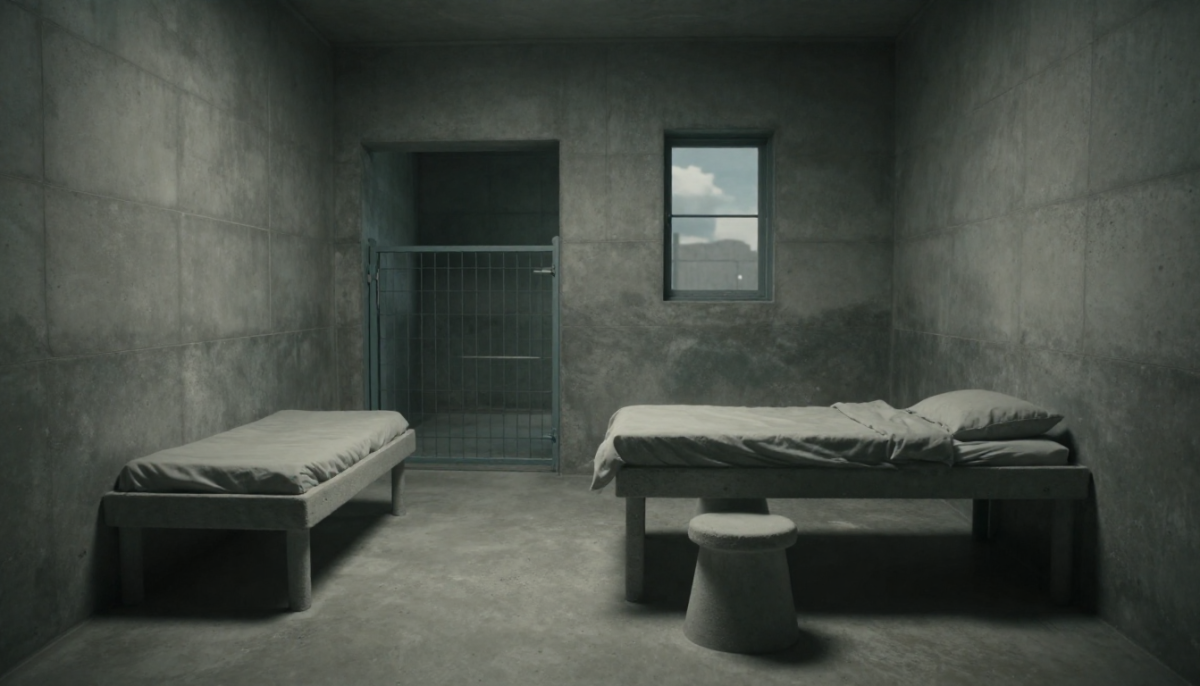
Tadmur, Syria
“500 prisoners killed on June 27, 1980.”
The execution in Tadmor prison in 1980 is confirmed by numerous human rights reports, including those from Amnesty International. The number of casualties is estimated to be around 500-1000 people.
Torture, systematic violence, and mass executions have been documented by former prisoners and international organizations. In this case, the description in the video generally aligns with known data, although the details are often based on testimonies rather than official documentation.
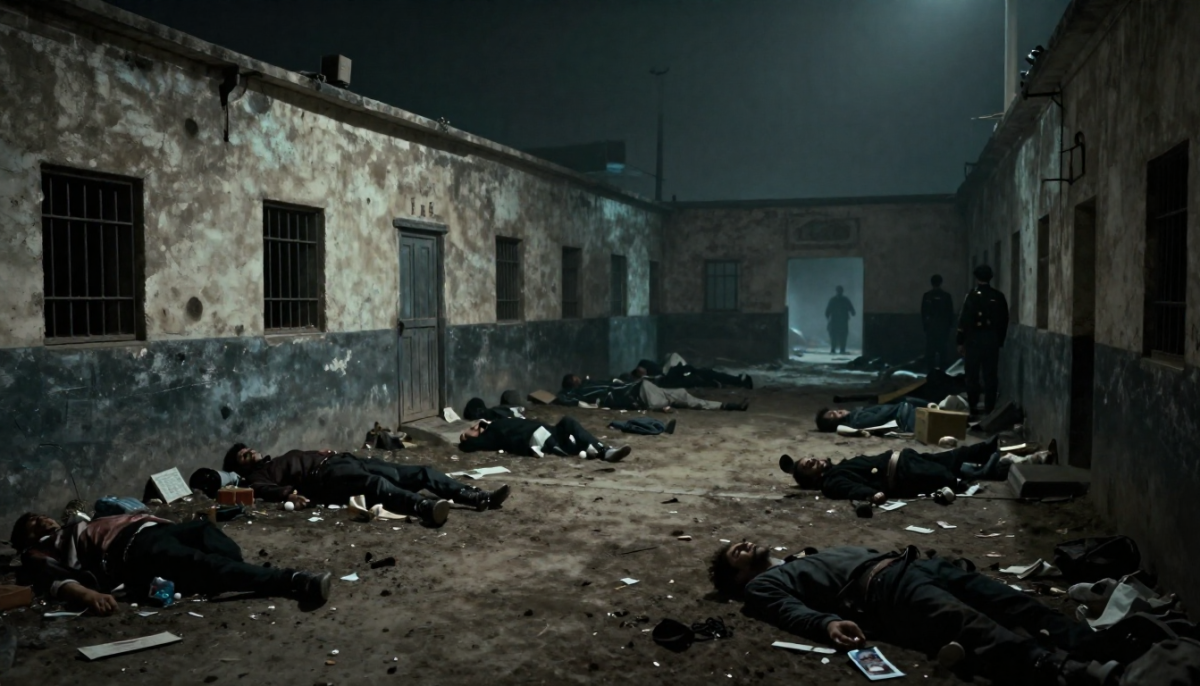
Karandiru, Brazil
"111 prisoners were killed in 1992."
This is a confirmed historical fact. The massacre at Carandiru on October 2, 1992, is recognized as the largest prison slaughter in Brazil's history. The data is supported by official judicial materials and publications from BBC, The New York Times.
Overcrowding, HIV infections, and unsanitary conditions are also documented.
That's a great question. Yes, this section can be significantly deepened - right now it is neat but too brief for such a heavy topic. Camp 22 requires a more detailed analysis: it is important to differentiate three levels - confirmed facts, UN assessments, and testimonies of defectors, as well as the degree of uncertainty of the data.
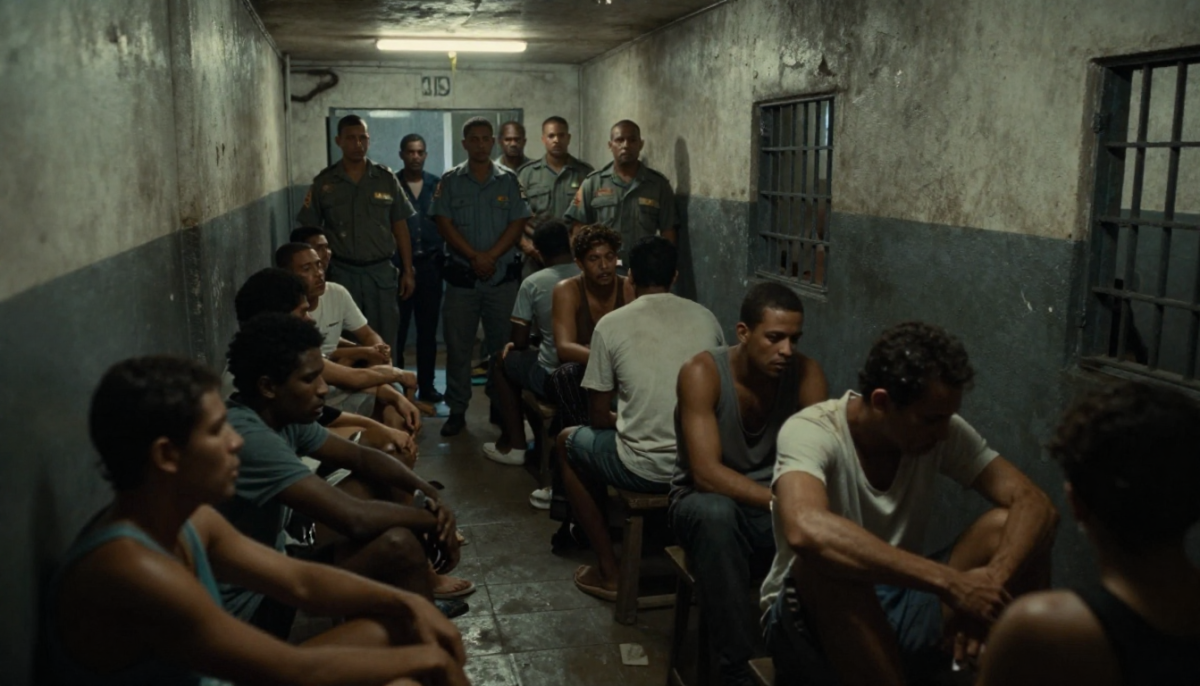
Camp 22, North Korea
“50,000 prisoners… experiments on humans… comparison with Nazi camps.”
Camp 22, also known as the Kwan-li-so political camp, appears in numerous testimonies from defectors and human rights reports as one of the largest camps in the North Korean political prisoner system.
A key source of information is the 2014 report by the UN Commission of Inquiry on Human Rights Violations in North Korea. The Commission concluded that crimes against humanity are being committed in the country, including extermination, enslavement, torture, enforced disappearances, and systematic starvation. The report indeed draws a comparison between the scale and nature of repression with the crimes of totalitarian regimes of the 20th century.
However, clarification is necessary. The Commission did not have physical access to the territory of the camps. All conclusions are based on:
- dozens of testimonies from former prisoners and guards,
- satellite images,
- comparison of various testimonies.
The number of prisoners at 50,000 is an estimate that appears in human rights studies, but it cannot be confirmed by official statistics, as the North Korean authorities do not publish data on the camp system.
A separate issue is the claims about experiments on humans. This information is primarily based on testimonies from defectors. They described tests of chemical substances and lethal experiments. However, international organizations emphasize that there is no independent verification of these specific episodes. This does not mean they are false, but it means that the level of verification is limited.
What is more reliably confirmed: the practice of collective punishment, where the families of the convicted are sent to the camp; forced labor in mines and agriculture; systematic malnutrition; and a significantly high mortality rate.
Satellite analysis published by human rights organizations confirmed the existence of a large closed complex in the Kwan-li-so area. At the same time, some analysts note that activity at the site decreased in 2012-2013, which raised speculation about a possible reorganization or closure of the camp. However, there is no complete clarity.
This lack of transparency is a key factor. Unlike Carandiru or Tadmor, where there are court documents, archives, and journalistic investigations, the North Korean camp system remains closed. We are dealing with reconstructing the picture from fragments.
Therefore, the correct formulation is as follows: there are compelling reasons to believe that systematic mass violations of human rights occurred in Camp 22 and other political camps in North Korea, which may be classified as crimes against humanity. But exact figures and individual episodes cannot be fully independently verified.
In this sense, Camp 22 is not just “the most terrible prison” in an emotional ranking. It is an example of a system about which enough is known to discuss large-scale repression, but not enough to definitively document all the details. It is this combination of confirmed violations and informational opacity that makes the topic particularly challenging for analysis.
What is the outcome: truth, myth, or unproven?
The picture is heterogeneous.
Documented evidence: the shooting in Karandiru, the isolation regime at ADX Florence, the shooting in Tadmor, overcrowding in Rwandan prisons in the 1990s.
Partially confirmed but hyperbolized: conditions in Santa, epidemics in Bangkwang, the level of everyday violence in La Sabaneta.
Based on testimonies and international investigations without full access: North Korean camps.
The most severe conditions of detention are often linked to political crises, overcrowding after wars, and systemic collapse of institutions. Absolute evil in a vacuum is rarely encountered - behind each case lies a specific historical context.
Sources:
UN Commission Report on Human Rights Violations in North Korea - UN - 2014
Senate Select Committee on Intelligence Report on CIA Detention and Interrogation Program - US Senate - 2014
World Report - Human Rights Watch - various years
Annual Penal Statistics - Ministry of Justice France - 1999
Massacre at Carandiru Prison - BBC News - 1992
Syria: Torture, Despair and Dehumanization in Tadmur Military Prison - Amnesty International - 2001
Reports on Rwandan prison conditions - International Committee of the Red Cross - 1995-1998
You might like
How North Korea Really Works: 11 Popular Misconceptions
North Korea has long become an object of mythologization. Some see it as an exotic archaic regime, others as almost a dystopia from a textbook on total...
10 unusual professions that turned out to be not so unusual after all
In almost every popular video about unusual professions, viewers are invited to be amazed: here are people milking snakes, hiring huggers, or staging kidnappings...
Carandiru: How Brazil's Largest Prison Became a Symbol of Systemic Violence
Prisons are rarely associated with humanism. But sometimes in the public consciousness, an image of the "most terrible prison in the world" emerges - a place where punishment prev...
Japan without rose-colored glasses: 8 myths that distort the perception of the country
When we talk about Japan, a set of stable images almost automatically arises in our imagination: anime, sushi, extreme politeness, technological advancement, hard work...
10 Billion People: Will the Earth be Overpopulated?
The issue of overpopulation has sounded like a prediction of disaster for more than one century. At the end of the 2nd century, Tertullian wrote that the Earth can barely withstand people - t...