
Will China surpass America? What lies behind the growth and global ambitions?
The question of whether China will surpass the United States in economic power is now being discussed not only in academic circles but also in everyday conversations. The reason is clear: according to the World Bank, China has already overtaken the U.S. in GDP based on purchasing power parity, and it consistently ranks second in the world in nominal GDP. At the same time, the official Beijing claims to have completely eradicated extreme poverty by 2020 and intends to transform the country into a "modernized socialist power" by the middle of the 21st century.
However, in the original text, China's success is presented as an almost indisputable result of a special model - "socialism with Chinese characteristics" under the leadership of the Communist Party. In this logic, economic achievements, infrastructure projects, the fight against corruption, and a high level of trust in the government form a unified line of progressive growth. To understand how accurately this picture reflects reality, it is important to break down the argumentation into several key theses and test each of them for factual sustainability.
Below, I highlight the main myths that underlie the presented narrative.
Myth #1. China took "the best of both worlds" from planned and market economies and created a harmonious model without internal contradictions.
Indeed, after Deng Xiaoping's reforms in the late 1970s, China began to combine elements of state planning with market mechanisms. The private sector is actively developing, foreign investments play an important role, while strategic industries—energy, banking, telecommunications—remain under state control.
However, the assertion of a conflict-free synergy between the two systems simplifies reality. State enterprises in China have preferential access to loans through state banks, leading to inefficient capital allocation and debt accumulation. According to the IMF, China's total debt exceeded 280 percent of GDP in the early 2020s. A significant portion of this debt is associated with state corporations and regional infrastructure projects.
Moreover, the "two systems" model in the context of Hong Kong demonstrates tension rather than harmony. The principle of "one country, two systems," enshrined during the handover of Hong Kong in 1997, was supposed to preserve broad autonomy. However, the events of 2019-2020 and the enactment of the national security law showed that political integration is occurring much more rigidly than initially declared.
In other words, the Chinese model is indeed unique, but it is far from the idyllic formula of "taking the best and combining it without losses."
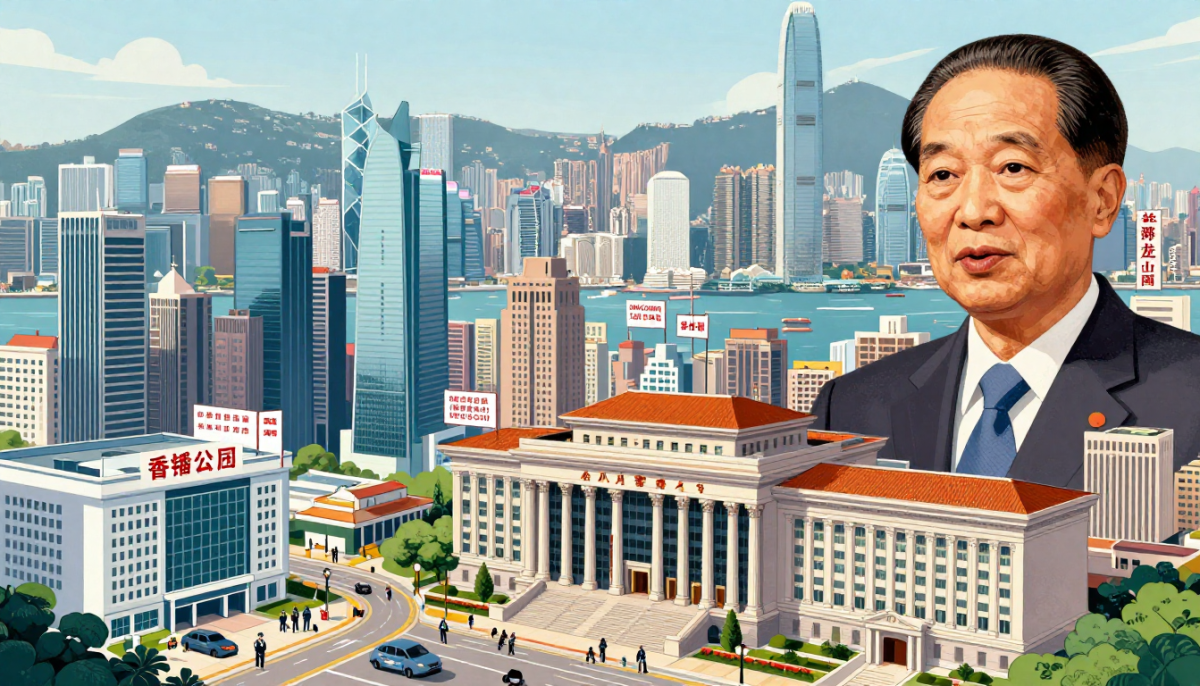
Myth #2. The anti-corruption campaign completely cleansed the system and strengthened the ideological integrity of the party.
The anti-corruption campaign under Xi Jinping has become one of the largest in the history of the PRC. According to official data, more than 400,000 cases were investigated in the first three quarters of 2020. Since 2012, disciplinary bodies have punished millions of party officials.
These are impressive figures. However, there is a discussion in the academic literature about the dual nature of the campaign. On one hand, corruption indeed posed a systemic threat, especially at the regional level. On the other hand, the purges often affected influential political figures associated with alternative intra-party groups. Researchers note that the campaign has become a tool for centralizing power around Xi Jinping.
Moreover, the fight against corruption does not eliminate the institutional causes of its emergence - the weakness of an independent judiciary, the lack of a free press, and limited public oversight. In systems without competitive politics and transparent procedures, corruption risks remain even after large-scale campaigns.
The anti-corruption policy has strengthened discipline within the party, but it is premature to consider the problem completely resolved.
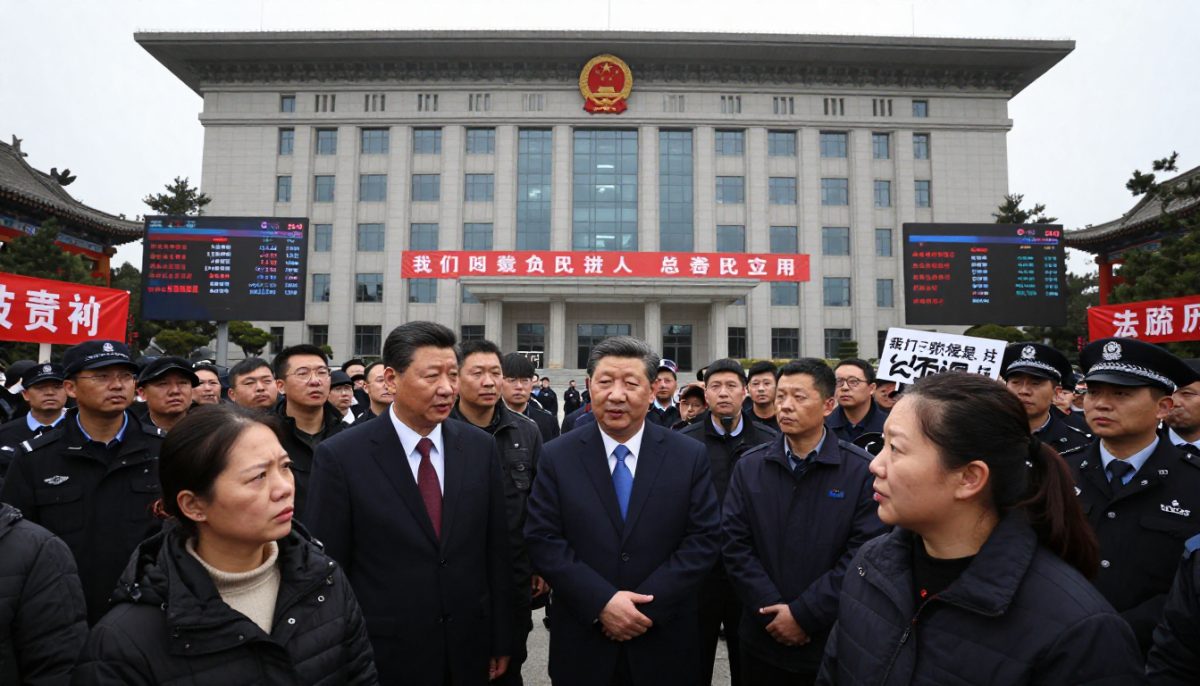
Myth #3. China has completely eliminated poverty and solved one of humanity's main problems.
In 2020, the authorities announced the elimination of extreme poverty by national standards. According to the World Bank, since 1981, over 800 million people in China have risen out of extreme poverty by the international criterion of $1.90 a day. This is indeed the largest reduction in poverty in history.
However, it is important to understand the methodology. The national poverty line in China differed from the international one and was relatively low. Additionally, the elimination of extreme poverty does not mean overcoming inequality. The Gini coefficient in China remains at around 0.46-0.47, indicating significant social stratification.
A serious problem remains the gap between urban and rural areas, as well as the differences between coastal provinces and inland regions. Urbanization and the household registration system - hukou - have long restricted migrants' access to social services. Recent reforms have partially alleviated these barriers, but have not completely eliminated them.
China has made colossal progress in reducing extreme poverty. However, to speak of a complete solution to the social problem in a broad sense would be an exaggeration.

Myth #4. China does not export its model and does not engage in power politics, so its success is based solely on internal development.
The text emphasizes that China does not impose its ideology and does not get involved in military conflicts. Compared to the interventionist policy of the USA, this appears convincing.
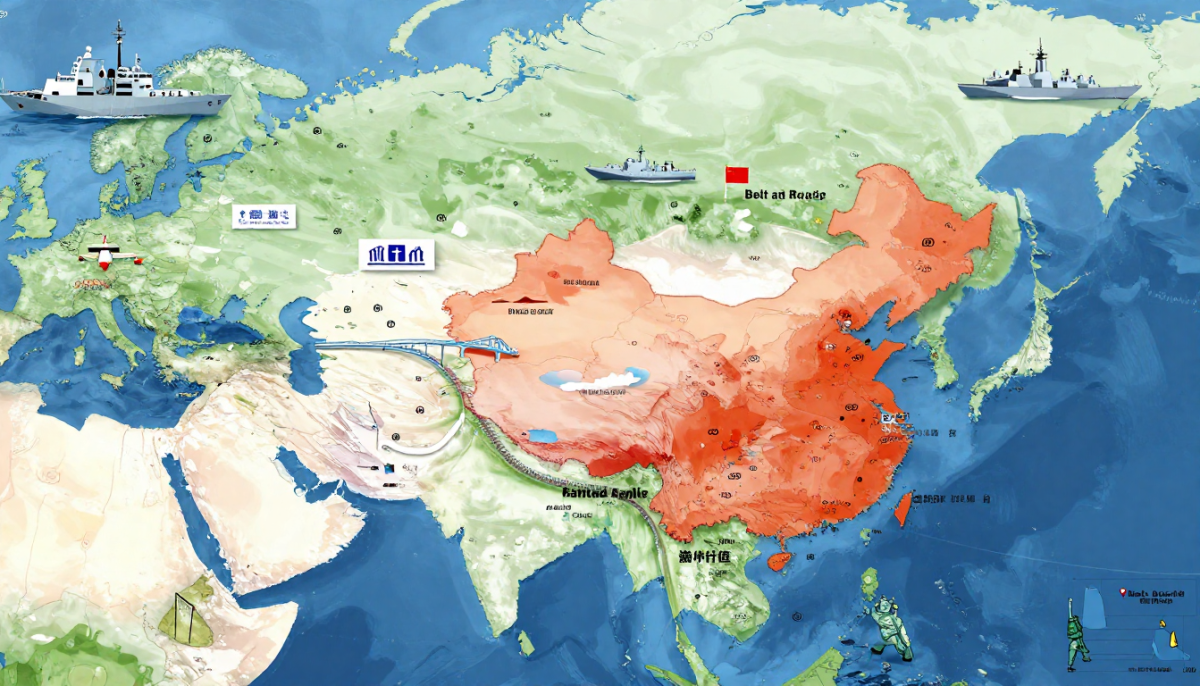
However, in recent years, China has been actively promoting the "Belt and Road" initiative, investing in the infrastructure of dozens of countries in Asia, Africa, and Europe. These projects are accompanied by financing through Chinese banks and often create a debt dependency for the recipient countries. There is a debate in academic circles about whether to speak of "debt diplomacy," but Beijing's influence through economic tools is undoubtedly increasing.
Moreover, China is increasing its military budget - according to SIPRI, it ranks second in the world in military spending after the USA. Activity in the South China Sea and around Taiwan shows that the military factor remains a significant part of its strategy.
China indeed avoids direct military interventions in the Western style. But its foreign policy is becoming increasingly active and strategically oriented towards redistributing global influence.
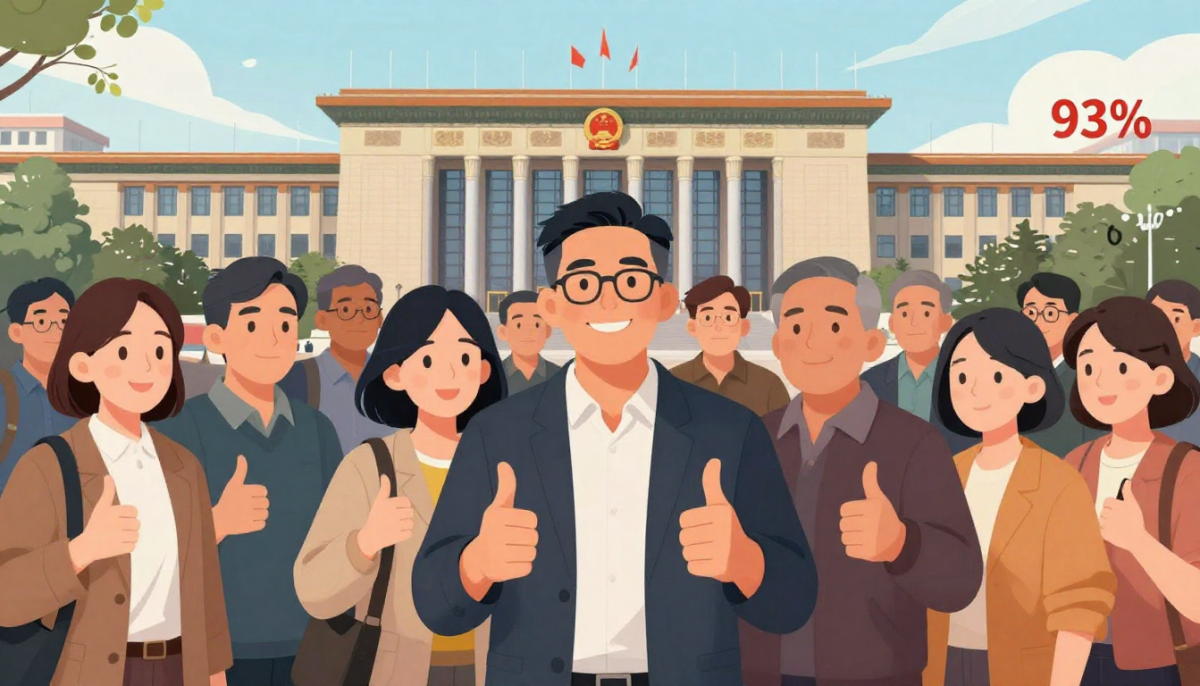
Myth #5. High population satisfaction is direct evidence of the effectiveness of the political system.
The text mentions a study by Harvard University, according to which the level of satisfaction of the Chinese with their government reaches 93 percent. It refers to the long-term project Ash Center for Democratic Governance and Innovation, which indeed recorded a consistently high level of trust in the central authorities in the PRC from 2000 to 2016.
The fact of high approval is important. However, interpretation requires caution. First, studies show a significant difference between the evaluation of the central government and local authorities - the latter receive noticeably lower ratings. This reflects a specific model of accountability, where the center is perceived as a source of benefits, while problems are associated with "poor performers" at the local level.
Second, in the absence of competitive elections, independent media, and a developed opposition policy, mechanisms for expressing discontent are institutionally limited. This does not mean that the survey data is unreliable, but it does mean that the level of approval cannot be automatically translated into the category of democratic legitimacy in the Western sense.
Finally, trust largely relies on economic outcomes. If growth slows down and social mobility decreases, the structure of support may change. Satisfaction in China is closely linked to the expectation of continued material improvement, rather than solely to ideological loyalty.
Myth #6. China's infrastructure expansion is solely an economic project without geopolitical consequences.
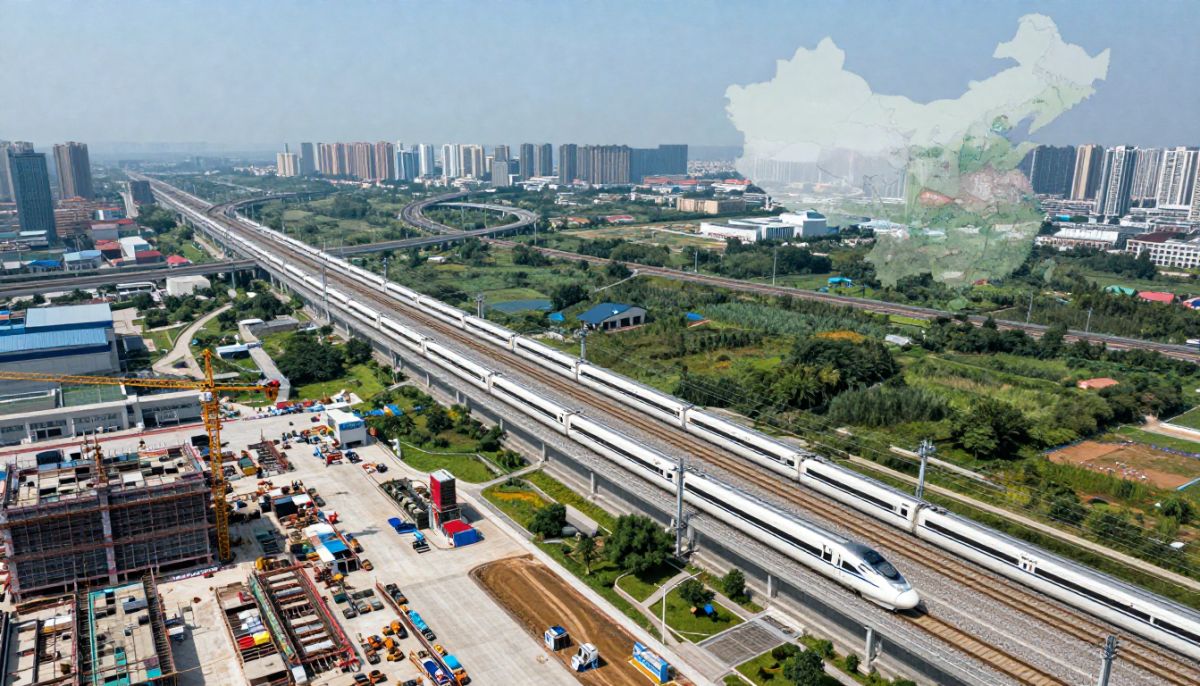
Chinese infrastructure is indeed impressive. By 2019, the length of high-speed railways exceeded 35,000 kilometers - the largest network in the world. But more importantly, is how Beijing has scaled this experience beyond its borders through the "Belt and Road" initiative.
Formally, it is about the development of trade and interconnectedness. In practice, Chinese loans and contractors play a key role in the construction of ports, railways, and energy facilities in Asia, Africa, and Eastern Europe. A significant portion of the financing is provided through state banks of the PRC.
The problem arises when debtor countries face the inability to service their debts. The most famous example is the Hambantota port in Sri Lanka, leased to a Chinese company after debt difficulties. Supporters of China argue that this is a commercial deal, while critics see it as a tool for expanding strategic influence.
Even without using the term "debt trap," it is clear that infrastructure has become a tool of foreign policy. It enhances China's economic presence while simultaneously expanding its political capabilities.
Myth #7. The Chinese science and technology strategy guarantees global leadership in innovations.
China ranks second in the world in terms of research and development spending. According to the World Intellectual Property Organization, the country has made significant progress in the Global Innovation Index in recent years. Companies in telecommunications, artificial intelligence, and renewable energy have become global players.
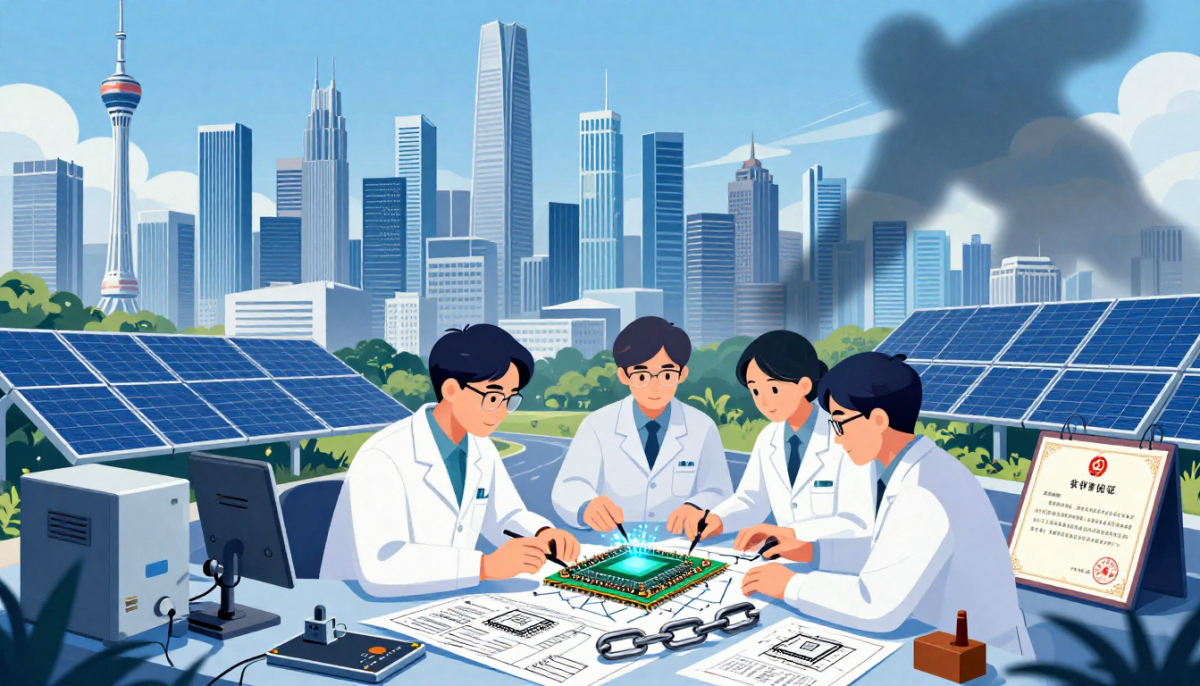
However, quantitative indicators do not equate to qualitative leadership. A significant portion of patents is registered domestically and does not always reflect breakthrough technologies. In critically important segments - for example, in the production of advanced semiconductors - China still relies on foreign technologies and equipment.
U.S. export restrictions on chips and lithography equipment have revealed the vulnerabilities of the Chinese model. The government is actively investing in import substitution, but technological autonomy requires time, personnel, and fundamental research.
China has made enormous progress, but its scientific development occurs under conditions of technological competition and sanctions pressure. There is no guaranteed leadership here - there is an accelerated race.
Myth #8. Demographic and structural constraints cannot slow down Chinese growth.
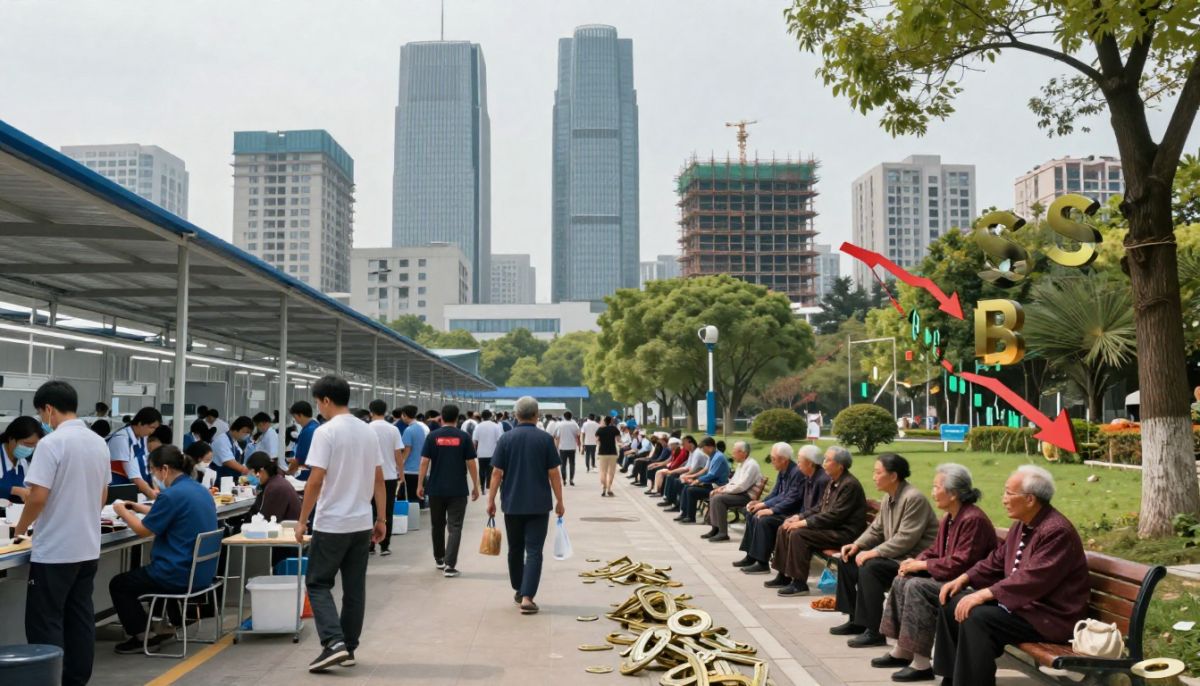
For a long time, China benefited from a demographic bonus - a large working-age population. However, the consequences of the "one-child" policy, which has been in effect since the late 1970s, have become evident. The working-age population is shrinking, while the proportion of the elderly is increasing.
According to the National Bureau of Statistics of China, in 2022, the country's population began to decline for the first time in decades. This means an increased burden on the pension system, healthcare, and the budget as a whole. At the same time, labor costs are rising, which reduces competitiveness in traditional manufacturing sectors.
Additionally, there are high levels of corporate and regional debt, an overheated real estate market, and many households' dependence on investments in housing. The crisis surrounding major developers has demonstrated how significant this sector is for the entire financial system.
China is capable of adapting - this is its strength. However, demographic and structural challenges cannot be ignored. They are already affecting growth rates and will determine the country's opportunities in the coming decades.
Sources
China's economic rise is one of the most significant historical processes of recent decades. GDP growth, infrastructure development, investments in science and technological ambitions, including the space program, are based on real structural changes.
However, the notion of this success as a linear and problem-free implementation of an ideologically coherent model does not hold up under scrutiny. The Chinese system combines impressive achievements with internal imbalances - debt risks, demographic decline, social inequality, and a high degree of political centralization.
The answer to the question of whether China will overtake the USA depends not only on growth rates but also on how sustainable this model will be in the context of an aging population and increasingly complex global competition.
- World Bank. World Development Indicators - data on GDP and poverty.
- International Monetary Fund. Global Debt Database.
- Barry Naughton. The Chinese Economy: Adaptation and Growth. MIT Press, 2018.
- Yuen Yuen Ang. China's Gilded Age: The Paradox of Economic Boom and Vast Corruption. Cambridge University Press, 2020.
- SIPRI Military Expenditure Database.
- OECD. Income Inequality Data Portal.
You might like

The Decline of Japan: Has the Country Really Yielded to China?
At the end of the 20th century, Japan seemed like a country that was about to rewrite the global economic order. Its companies were acquiring assets in the West, technologies ...

This is why the history of LEGO is more complex than it seems.
The history of LEGO is often presented as an almost flawless entrepreneurial legend: a master from a provincial Danish town, a crisis, a bold decision to re...

Elon Musk - Genius or Calculating Entrepreneur? What Really Lies Behind His Story
The story of Elon Musk has long turned into a modern entrepreneurial legend. He is called a visionary, an adventurer, a genius, a disruptor of industries...
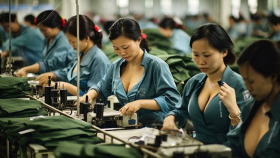
China on the path to global leadership: how sustainable is this growth?
China has undergone a transformation in recent decades that took centuries in other countries. From an agrarian, poor nation torn by internal conflicts...