
China on the path to global leadership: how sustainable is this growth?
China has undergone a transformation in recent decades that took centuries in other countries. From an agrarian, poor nation torn by internal conflicts, it has become the second-largest economy in the world. The question is increasingly being raised: will the PRC really surpass the USA in GDP in the coming years and become a global economic leader? And if so, does that automatically mean superiority in quality of life?
In this article, we analyze statements from the video and check them for factual accuracy.
"China will soon overtake America"
Is it true that China will soon overtake America? The Chinese economy, according to its official statistics, is recovering faster than the American one. Experts do not rule out that by 2028, China could become a leader in terms of GDP volume and other economic indicators.
Formally, China indeed remains the second largest economy in the world by nominal GDP after the USA. According to the World Bank and IMF, in 2023-2024, China's economy is around 17-18 trillion dollars, while the USA's exceeds 25 trillion. The gap remains significant.
Forecasts about a possible "overtaking" are regularly published. Over the years, analysts have predicted China's leadership by 2028, 2030, or 2035. However, after the slowdown in the growth of the Chinese economy and the acceleration of the American one in 2021-2023, the timelines have been revised. The International Monetary Fund in the World Economic Outlook 2023 points to a structural slowdown in Chinese growth.
It is important to distinguish between nominal GDP and GDP based on purchasing power parity. By PPP, China surpassed the USA several years ago. However, global influence, the financial system, and dollar liquidity are still determined by the American economy.
Thus, the assertion of "imminent leadership" is not an established fact - it is a forecast that depends on numerous variables: demographics, technological dynamics, debt burden, and geopolitics.

The role of the CPC and "two systems in one country"
The Communist Party of China plays a leading role in the PRC... It has taken the best from both planned and market economies, proving that two systems can exist in one country.
The Communist Party of China was indeed founded in 1921 and has ruled the country since 1949. The Constitution of the PRC enshrines its leading role.
The formula "socialism with Chinese characteristics" reflects a combination of party control and market mechanisms. Market reforms began under Deng Xiaoping in the late 1970s. According to World Bank data, it was the liberalization of agriculture, the establishment of special economic zones, and the entry of private capital that became the drivers of growth.
The principle of "one country, two systems" was applied to Hong Kong and Macau. However, it is now more difficult to speak of the full preservation of two autonomous systems - after the adoption of the national security law in Hong Kong in 2020, the degree of autonomy was significantly revised.
Therefore, China's model is a state-capitalist system with a dominant role of the party.
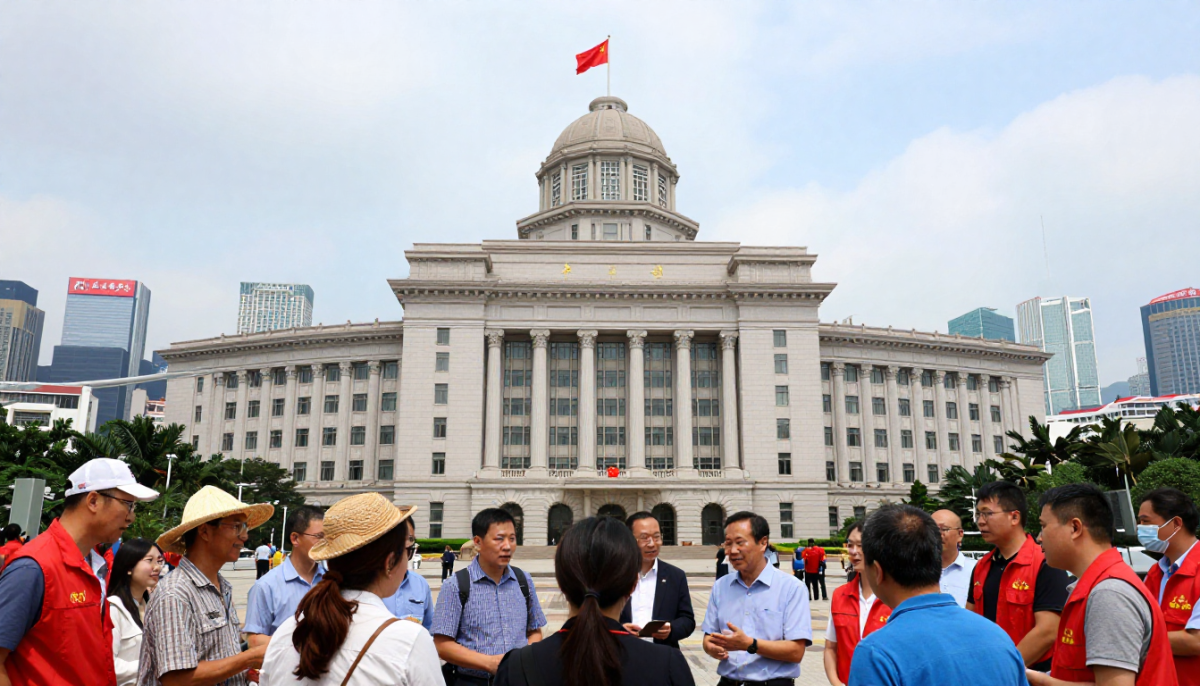
Anti-Corruption Campaign and Public Trust
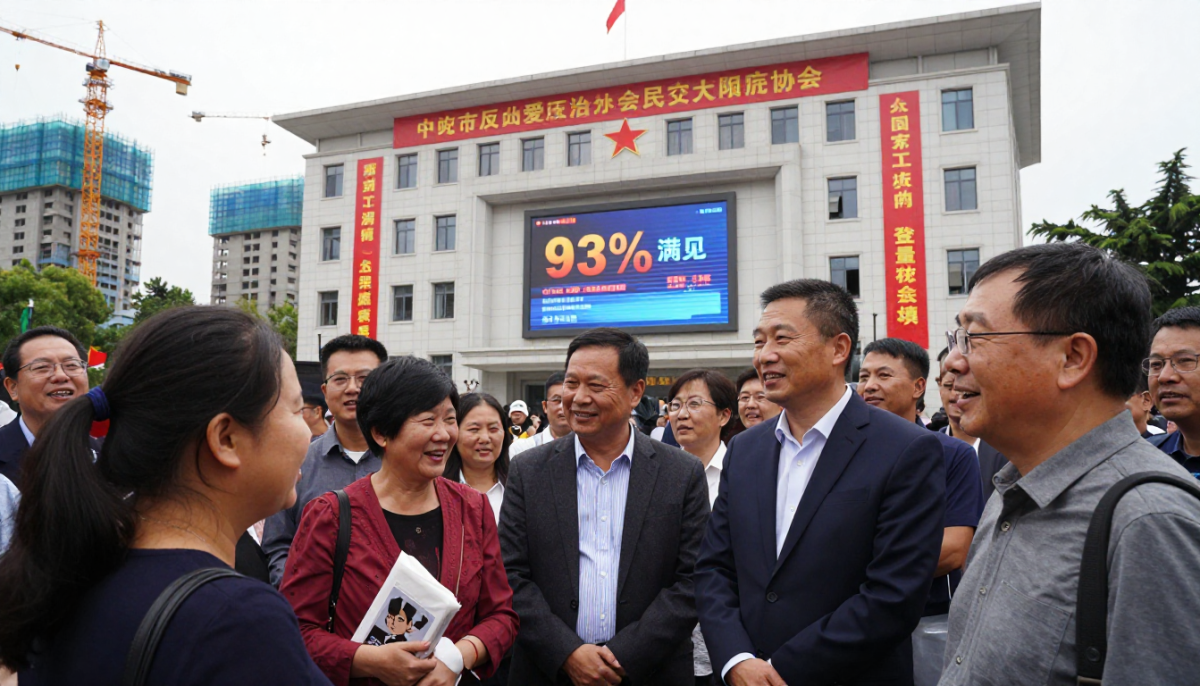
In the first three quarters of 2020, the disciplinary inspection authorities initiated more than 400,000 cases... the satisfaction of the Chinese people with the government reaches 93%.
The anti-corruption campaign under Xi Jinping has indeed become one of the largest in modern Chinese history. According to official data from the Central Commission for Discipline Inspection, hundreds of thousands of officials are investigated annually.
The report from Harvard Business School - "Understanding CCP Resilience" (Ash Center, Harvard Kennedy School, 2020) indeed records a high level of reported support for the central government - over 90%. However, it is important to consider the specifics of survey methodologies in authoritarian systems, where the level of self-censorship may affect responses.
Nevertheless, the growth in income, infrastructure projects, and poverty reduction could objectively contribute to increased satisfaction.
"Complete eradication of poverty"
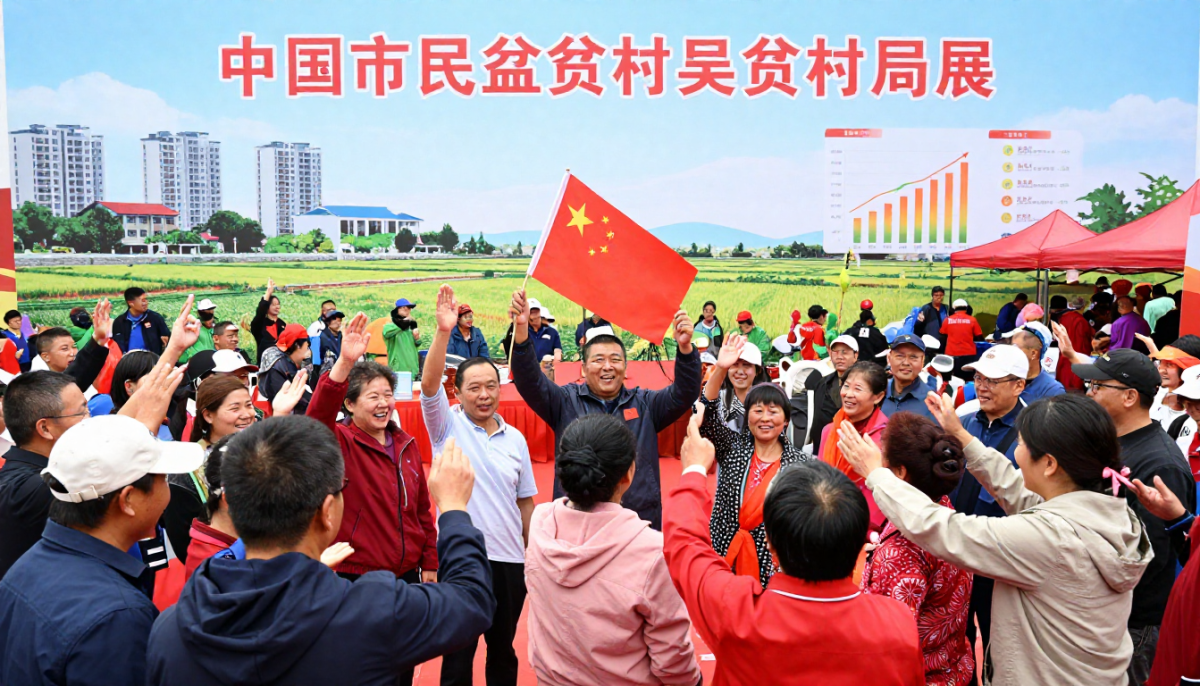
China achieved this goal 10 years ahead of schedule... the level of contribution to reducing the number of poor people in the world exceeded 70%.
In 2020, China officially announced the eradication of extreme poverty. According to the World Bank, since 1981, more than 800 million people in China have risen out of extreme poverty. This is the largest contribution to global poverty reduction in recent decades.
However, the poverty criterion in China differed from the international benchmark set by the World Bank. The Chinese national poverty line was lower than the international standard of $1.90 per day (in PPP terms).
Therefore, the claim of complete eradication of poverty is accurate within the framework of the national criterion, but does not imply the absence of relative poverty or regional inequality.
Infrastructure as a Symbol of Growth
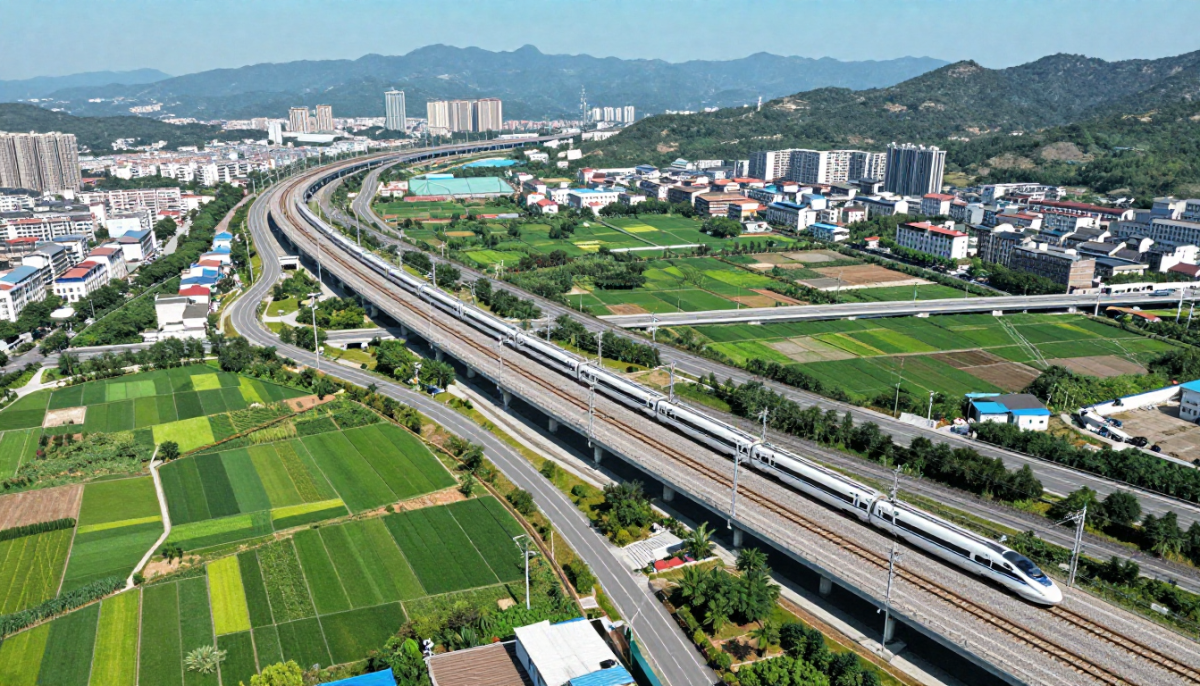
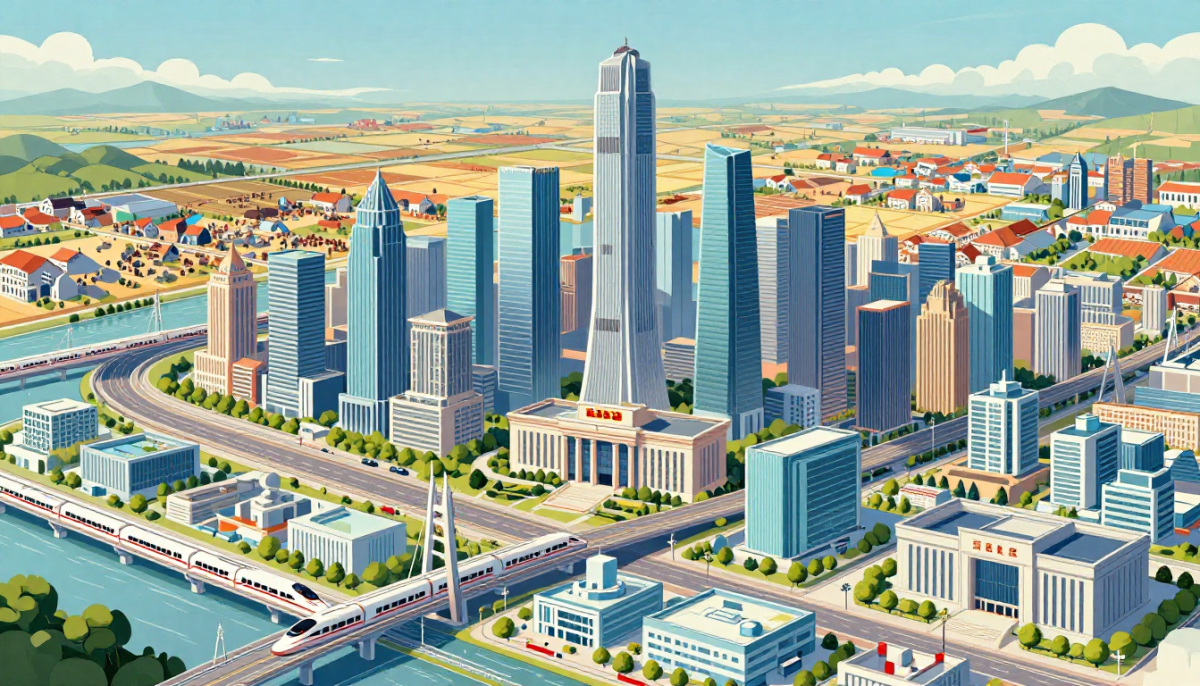
In China, 139,000 kilometers of railways have been laid, of which 35,000 are high-speed.
According to the International Union of Railways and official statistics from China, China indeed has the largest network of high-speed railways in the world - over 40,000 km by 2023. The USA significantly lags behind in this regard.
The development of highways is also impressive: China has one of the largest networks of expressways in the world.
However, the infrastructure boom has been accompanied by an increase in the debts of regional authorities and the construction of facilities with low occupancy rates. This is noted in reports from the IMF and analysis by the Financial Times.
Infrastructure has become a powerful growth stimulus, but at the same time has increased financial risks.
Science and Innovation
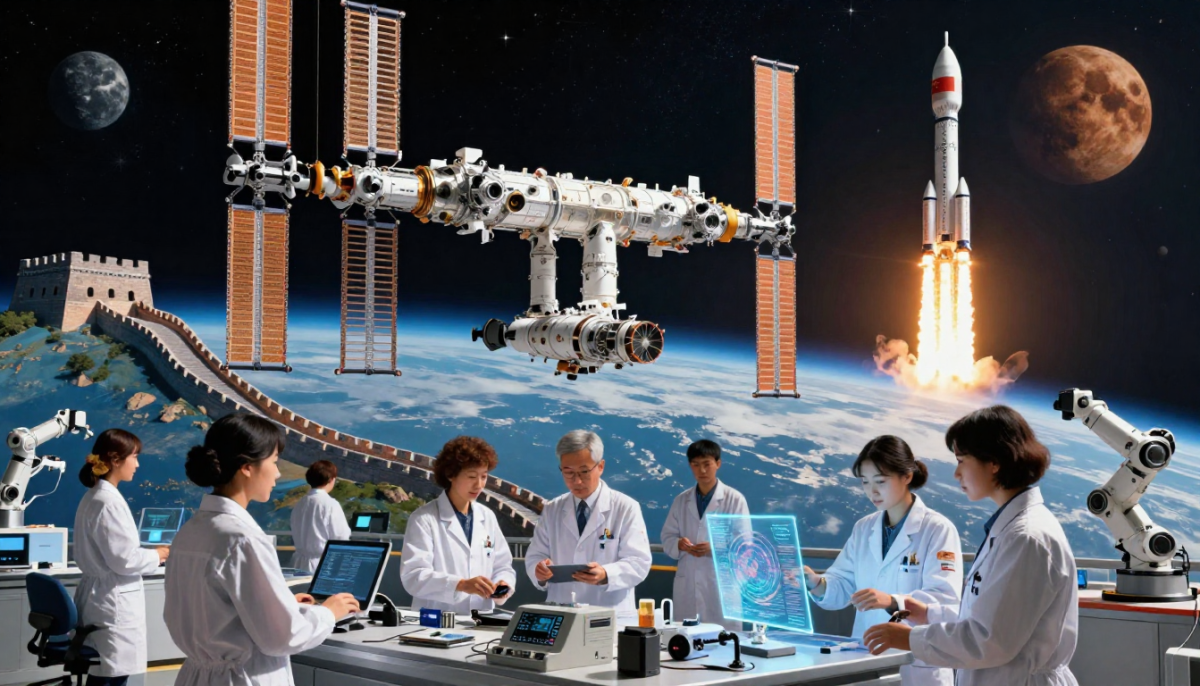
In terms of investment in scientific research, China ranks second in the world... by 2045 it will become a leading space power.
According to UNESCO and OECD, China indeed ranks second in the world in terms of R&D spending, second only to the USA. In the Global Innovation Index (WIPO, 2020), China ranked 14th, which aligns with the statement.
The Chinese space program is actively developing: the "Chang'e" missions, the construction of an orbital station, the Mars mission "Tianwen-1." These facts are confirmed by data from the China National Space Administration and publications in Nature.
However, in terms of the number of Nobel laureates, fundamental discoveries, and global university rankings, the USA maintains its leadership.
"China does not get involved in military conflicts."
China does not export its model of socialism and does not get involved in military conflicts.
China has indeed not participated in major external wars in recent decades. However, it is actively increasing its military budget (according to SIPRI - the second largest in the world) and strengthening its presence in the South China Sea.
Moreover, economic influence through the "Belt and Road Initiative" is viewed by many analysts as a form of geopolitical expansion.
Therefore, the statement is partially correct - there are few direct military interventions, but geopolitical activity is on the rise.

Will China be able to maintain its growth rate?
The general opinion is that... the drivers will be domestic demand and digitalization.
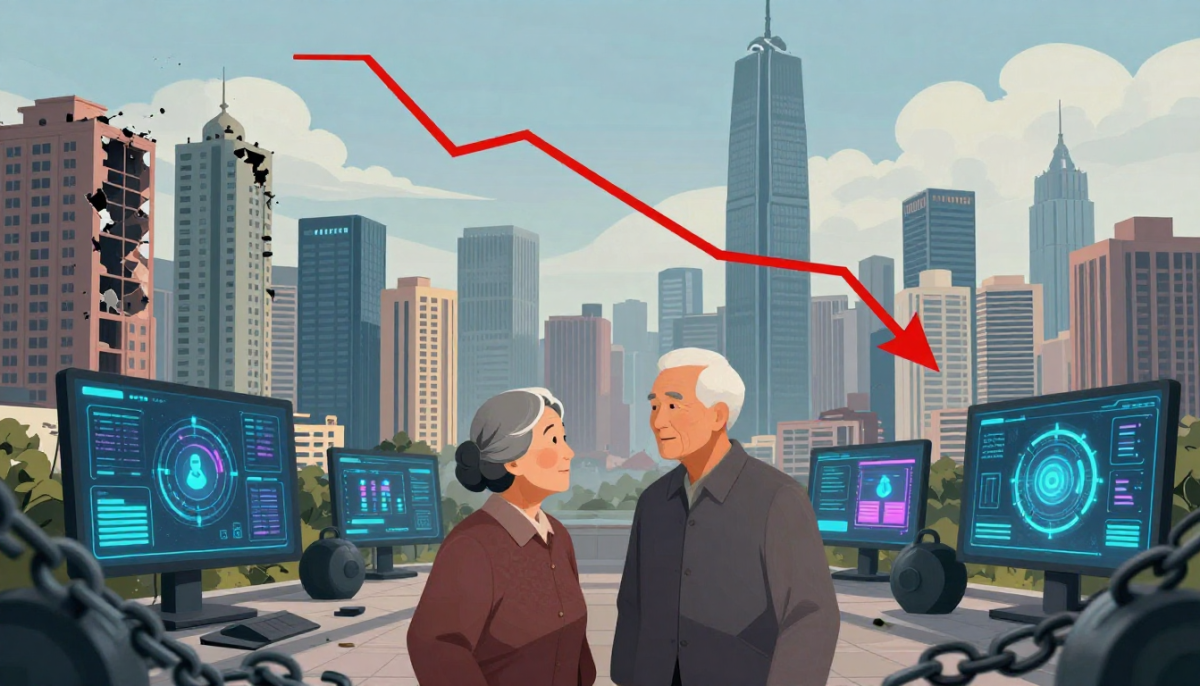
Today, the Chinese economy faces a number of challenges:
- aging population
- real estate market crisis
- high levels of corporate and regional debt
- technological restrictions from the USA
The IMF and the World Bank predict a slowdown in growth to 4–4.5% in the medium term - significantly lower than the figures of the 2000s.
The growth of domestic consumption and technological transition are indeed stated as priorities, however, their implementation requires structural reforms.
What is the conclusion: truth, myth, or unproven?
- China has indeed become the second largest economy in the world and a leader in GDP by PPP.
- It has made the largest contribution to the global reduction of extreme poverty.
- It possesses the largest infrastructure network and is rapidly increasing its scientific potential.
- The anti-corruption campaign is large-scale and unprecedented.
However:
- The forecast for surpassing the USA in nominal GDP by 2028 is not guaranteed.
- The complete eradication of poverty depends on the criteria used.
- The economic model faces serious structural risks.
- The standard of living per capita is significantly lower than that of the United States.
China's "economic miracle" is a reality confirmed by statistics and international studies. But the question of unconditional leadership remains open and depends not only on the growth rates but also on the quality of institutions, demographics, and technological autonomy.
Sources
- World Economic Outlook - International Monetary Fund - 2023
- World Development Indicators - World Bank - 2023
- Understanding CCP Resilience - Ash Center, Harvard Kennedy School - 2020
- Global Innovation Index - World Intellectual Property Organization - 2020
- World Military Expenditure - Stockholm International Peace Research Institute - 2023
- OECD Main Science and Technology Indicators - OECD - 2023
- China Poverty Reduction Report - World Bank
You might like

This is why the history of LEGO is more complex than it seems.
The history of LEGO is often presented as an almost flawless entrepreneurial legend: a master from a provincial Danish town, a crisis, a bold decision to re...

Elon Musk - Genius or Calculating Entrepreneur? What Really Lies Behind His Story
The story of Elon Musk has long turned into a modern entrepreneurial legend. He is called a visionary, an adventurer, a genius, a disruptor of industries...