
Elon Musk - Genius or Calculating Entrepreneur? What Really Lies Behind His Story
The story of Elon Musk has long turned into a modern entrepreneurial legend. He is called a visionary, an adventurer, a genius, an industry disruptor. But behind the flashy biography always lies a more complex picture - with contradictions, risks, exaggerations, and facts that require verification.
In this material, we analyze statements from the video and check them for factual accuracy.
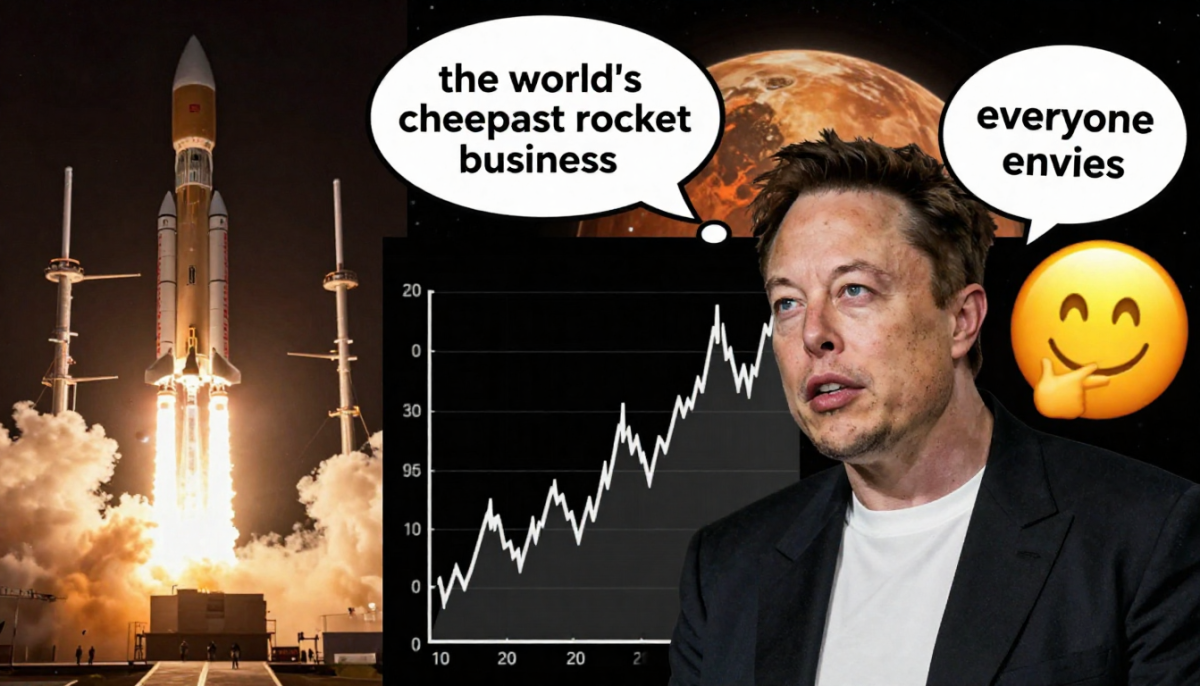
"Everyone envies Musk's success"
Everyone envies Elon Musk's success: businessmen want to earn like him, scientists want to make breakthroughs.
The wording is certainly emotional. Elon Musk has indeed managed to achieve an exceptional position in the global economy and technology sector. He is the founder or co-founder of companies such as SpaceX, Tesla, Neuralink, The Boring Company, as well as an early investor and executive at PayPal.
However, the statement "everyone envies" is a rhetorical device. In reality, opinions about Musk are extremely polarized. He is seen both as an innovator and as a person prone to managerial chaos, risky public statements, and conflicts with regulators.
Thus, it is more about high public visibility and influence than universal admiration.
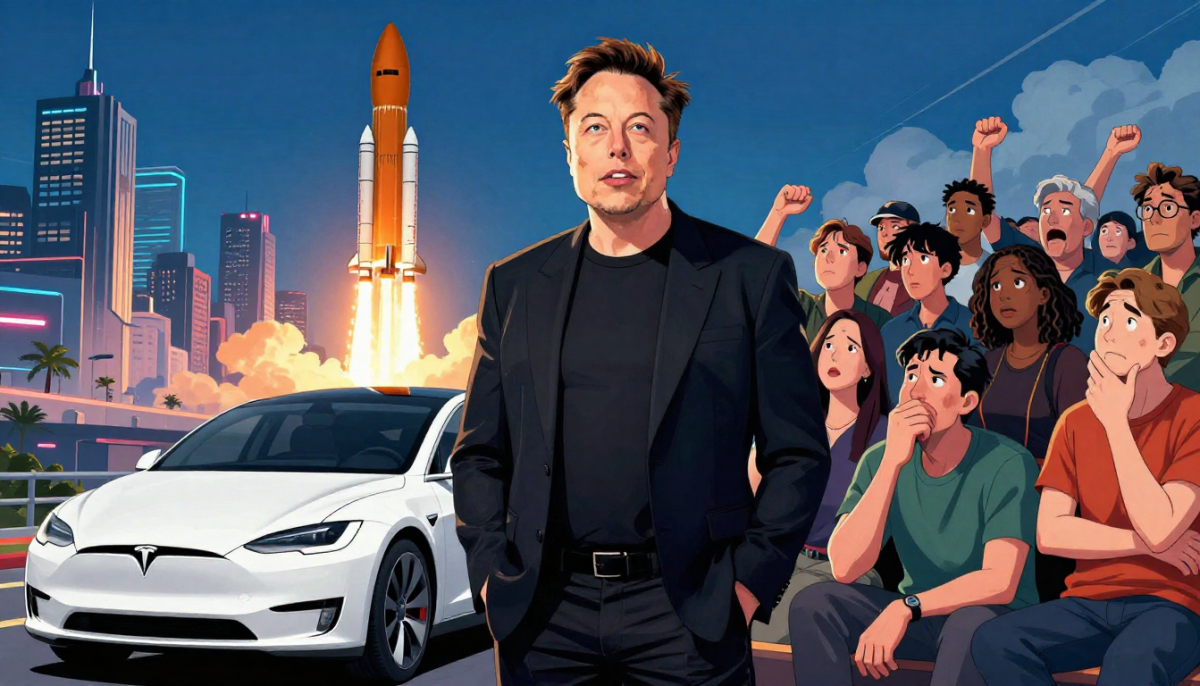
"In 2021, he became the richest person in the world."
In 2021, Elon Musk became the richest person in the world, surpassing Amazon founder Jeff Bezos in the rankings.
This statement is accurate. According to Forbes and the Bloomberg Billionaires Index, in January 2021, Musk indeed topped the list of the wealthiest people on the planet, outpacing Jeff Bezos.
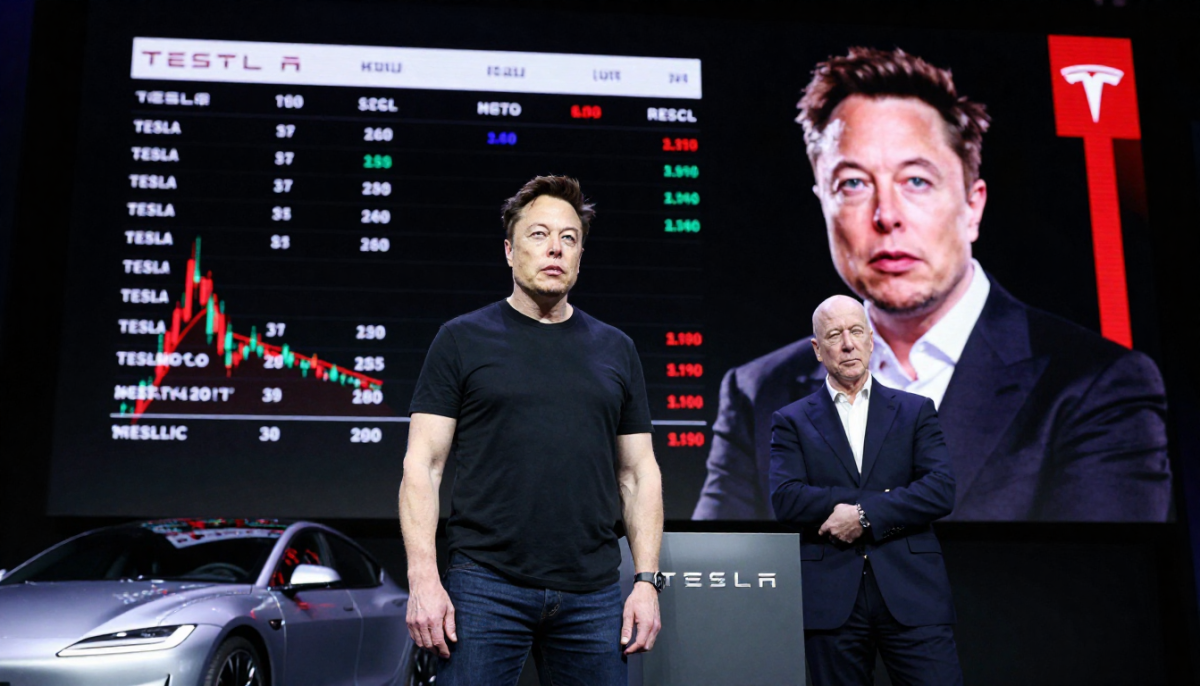
However, it is important to understand the context. The primary source of his wealth is Tesla stock. Its rapid growth in 2020, against the backdrop of investor interest in electric vehicles and technology companies, fueled the surge in capital. This means that his "wealth" was largely market-driven and dependent on volatility.
In fact, his fortune fluctuated by tens of billions of dollars multiple times over the months.
Childhood and Education: A Simplified Version?
Elon was born in the city of Pretoria (South Africa). He was a reserved child but loved reading very much.
Musk was indeed born in Pretoria, South Africa, in 1971. In numerous interviews, he has spoken about his passion for reading - from science fiction to encyclopedias. Biographical studies confirm that he spent a lot of time reading as a child.
After finishing school, he moved to Canada and enrolled at Queen's University. He then continued his studies in the USA.
This is also generally correct. Musk moved to Canada at 17 and enrolled at Queen's University in Kingston. He later transferred to the University of Pennsylvania, where he earned degrees in physics and economics.
However, an important clarification: he was accepted into Stanford's graduate program but left after two days to pursue entrepreneurship. This moment is often interpreted as a symbol of determination, but in practice, it was a calculated decision in the rapidly evolving internet market of the 1990s.

"Money is not the most important thing"
He says he is not opposed to the pursuit of wealth, "if it is done in accordance with ethical norms and rules," but what drives him is something else.
Musk has indeed repeatedly stated that his main motivation is not personal enrichment, but solving global problems: sustainable energy, the interplanetary future of humanity, the development of AI.
However, it is important to be cautious here. His compensation packages at Tesla and other companies are structured in such a way that upon achieving market performance, he receives options worth billions of dollars. This means that the growth of his wealth is directly linked to the capitalization of the companies.
Therefore, idealistic motivation is combined with a tough market logic.
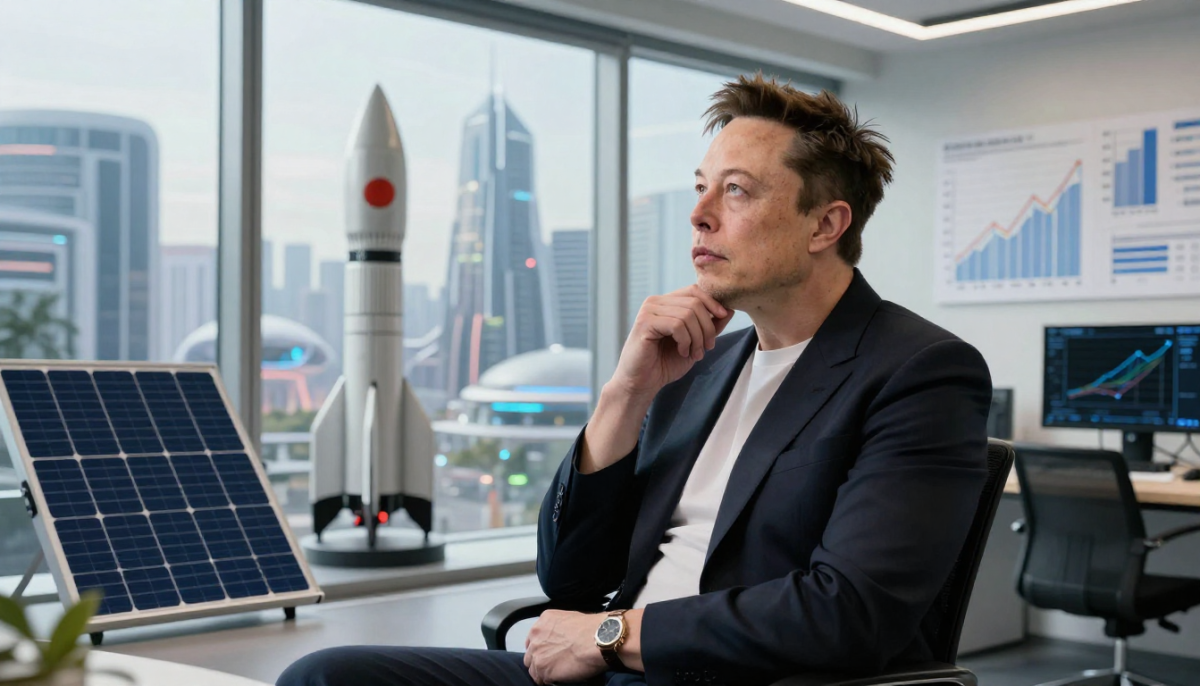
"The cheapest rocket business in the world"
Thus was born the cheapest rocket business in the world.
SpaceX has indeed radically reduced the cost of launching payloads into orbit compared to traditional NASA and defense sector contractors. The reusability of Falcon 9 rockets has been a technological breakthrough.
However, the phrase "the cheapest in the world" requires clarification. The launch price depends on the configuration, payload, and type of mission. SpaceX has become a leader in price-to-reliability ratio among commercial operators, but this is the result of a complex engineering and financial evolution, not a one-time decision.
It is also important to remember that the company received government contracts and NASA support, which played a significant role in its sustainability.
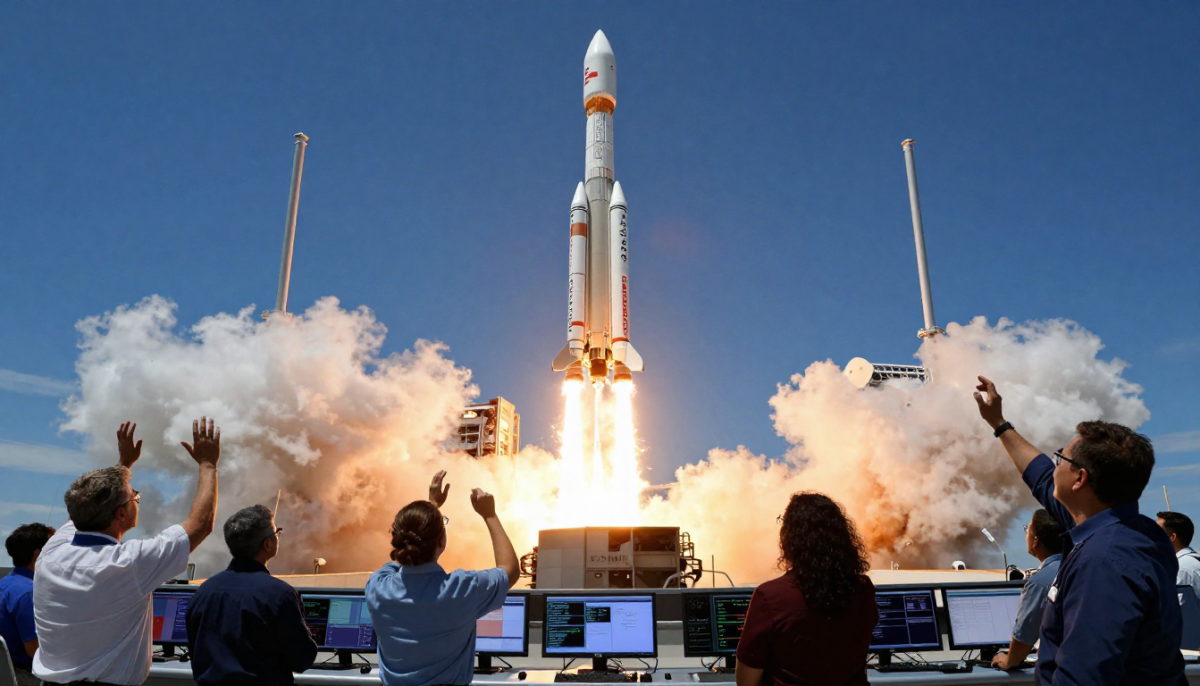
Risk and Bankruptcy Threshold
The first three SpaceX launches failed, and Tesla faced all sorts of production challenges.
This is a historical fact. Between 2006 and 2008, three Falcon 1 launches ended in failure. The fourth was successful - and became a critical moment for the company.
In 2008, Tesla was in a dire financial situation. The global financial crisis exacerbated the situation. Musk indeed invested a significant portion of his own capital into both companies.
He had to borrow money "for living" from friends.
Biographical sources mention that he took personal loans to cover expenses. However, it is important to understand: this was not about everyday survival in the literal sense, but about maintaining liquidity during a period of high capital concentration in illiquid assets.
The risk was real, but it was accompanied by a high level of entrepreneurial control and strategic decision-making.
"Ignore the criticism"
Musk recommends ignoring criticism.
This statement is partially true. Musk has repeatedly stated that it is important to focus on problem-solving rather than public opinion.
However, in practice, he actively responds to criticism - especially on social media. His public conflicts with journalists, regulators, and investors show that he does not always ignore negativity.
Therefore, it is more accurate to speak of a willingness to act contrary to skepticism rather than a complete disregard for criticism.
"Engage in things that matter"
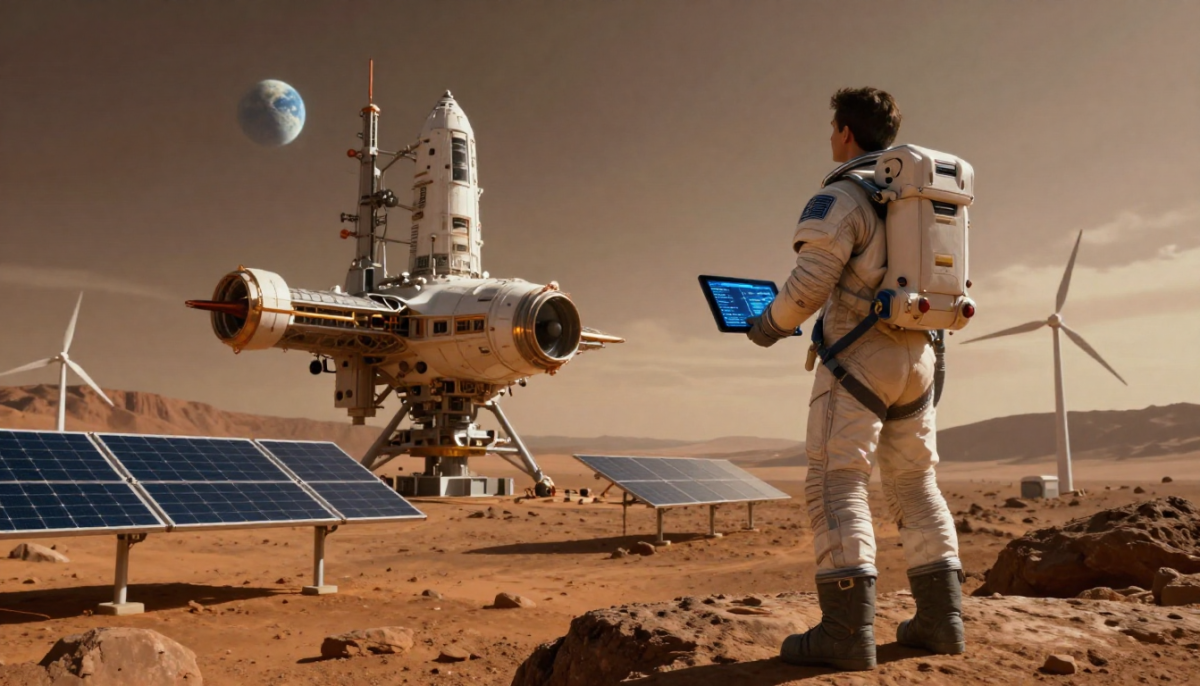
In his personal hierarchy, two "important things" take the lead. First, he wants to accelerate the transition from fossil fuels to renewable energy sources. Second – to colonize Mars.
This formulation aligns with his public rhetoric. Tesla has indeed become one of the drivers of the mass electric vehicle market. SpaceX is developing the Starship programs with the long-term goal of crewed missions to Mars.
However, the question remains: can we talk about "colonization" as a realistic goal in the foreseeable future? To date, no country possesses the technology for sustainable human life support on Mars. The project is still in the testing phase.
Therefore, we are talking about a strategic vision rather than an implemented program.
Workaholism as a Factor of Success
He continues to work, ignoring vacation, as he is genuinely passionate about his work.
It is known that Musk has worked 80-100 hours a week for a long time, especially during crisis periods at Tesla and SpaceX. This is confirmed by his interviews and testimonies from employees.
However, it should be noted that such a work model is not universal and is accompanied by a high load on the management structure of the companies. Moreover, in recent years, there has been discussion about the impact of his management style on corporate culture and employee turnover.
Workaholism is a factor, but not a universal recipe.
What is the conclusion: truth, myth, or unproven?
If we consider the main theses of the video, the picture turns out to be heterogeneous.
- Fact: Musk indeed became the richest person in 2021.
- Fact: SpaceX reduced launch costs and changed the space services market.
- Fact: He invested a significant portion of his personal capital in his companies during the crisis.
- Partial exaggeration: "the cheapest rocket business in the world" without clarifications.
- Rhetoric: "everyone envies," "ignores criticism."
- Strategic vision, not realized result: colonization of Mars.
The main conclusion is that Musk's success cannot be explained by a single principle or set of motivational formulas. It is a combination of:
- technological competence,
- ability to attract capital,
- high risk tolerance,
- aggressive public positioning,
- and favorable market timing.
The video offers a simplified, inspirational version of the story. The facts, however, show a more complex and contradictory trajectory.
Sources
- Elon Musk - Ashlee Vance - HarperCollins - 2015
- Forbes Billionaires List - Forbes - 2021
- Bloomberg Billionaires Index - Bloomberg - 2021
- Tesla Annual Report - Tesla Inc. - 2020
- NASA Commercial Crew Program Reports - NASA - year requires clarification
You might like

This is why the history of LEGO is more complex than it seems.
The history of LEGO is often presented as an almost flawless entrepreneurial legend: a master from a provincial Danish town, a crisis, a bold decision to re...
China on the path to global leadership: how sustainable is this growth?
China has undergone a transformation in recent decades that took centuries in other countries. From an agrarian, poor nation torn by internal conflicts...