
Festivals We Misunderstand
Festivals are often described as a universal language of joy. Travel websites promise emotions, guides - scale, bloggers - memorability. But behind the bright photographs and enthusiastic phrases, there are always specific historical processes, economic interests, religious traditions, and cultural transformations. When I reread the collection "Legendary Festivals of the World," it became clear that almost every one of these celebrations is surrounded by persistent notions that sound convincing but require clarification.
In this analysis, I do not evaluate whether it is worth going to a particular festival. The task is different - to separate enduring myths from facts and to show how historical reality is more complex and interesting than the tourist version. We will examine the origins of traditions, the real scale of events, their social functions, and the degree of authenticity.
Myth #1. All major festivals are ancient and unchanging traditions.
The video creates the impression that most events are a direct continuation of centuries-old rituals. This is only partially true.
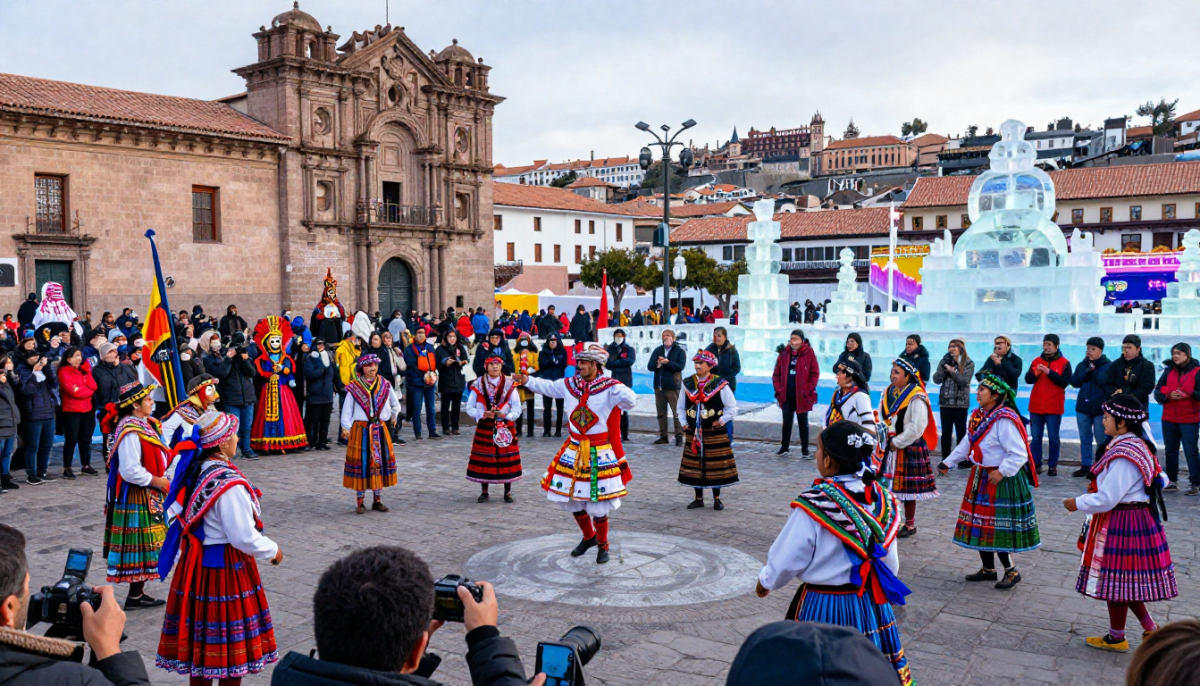
For example, Inti Raymi is indeed based on a 16th-century Inca ritual described by the chronicler Garcilaso de la Vega. However, the modern version of the festival in Cusco was reconstructed in 1944 at the initiative of local authorities and historians as a cultural project and a tool for the tourist development of the region. This is not a continuous tradition, but a conscious historical reconstruction.
A similar situation exists with the Venetian Carnival. Carnivals in Venice have indeed existed since the 11th century and were officially established in the 13th century. However, in 1797, after the fall of the Venetian Republic under Napoleon's rule, the carnival was banned. Its modern revival occurred only in 1979 as part of Italy's state cultural policy.
Even the Harbin International Ice and Snow Festival, which is presented as an ancient tradition, has been held in its current format since 1985. Previously, there were winter entertainments in the region, but the large-scale international exhibition of ice sculptures is a product of the late 20th century.
In other words, many "ancient" festivals in their present form are the result of modernization, reconstruction, or tourist repackaging.
Myth #2. Festivals are spontaneous folk celebrations without clear organization.
Tourist descriptions often create an image of a spontaneous celebration. In reality, large festivals are complex administrative and commercial projects.
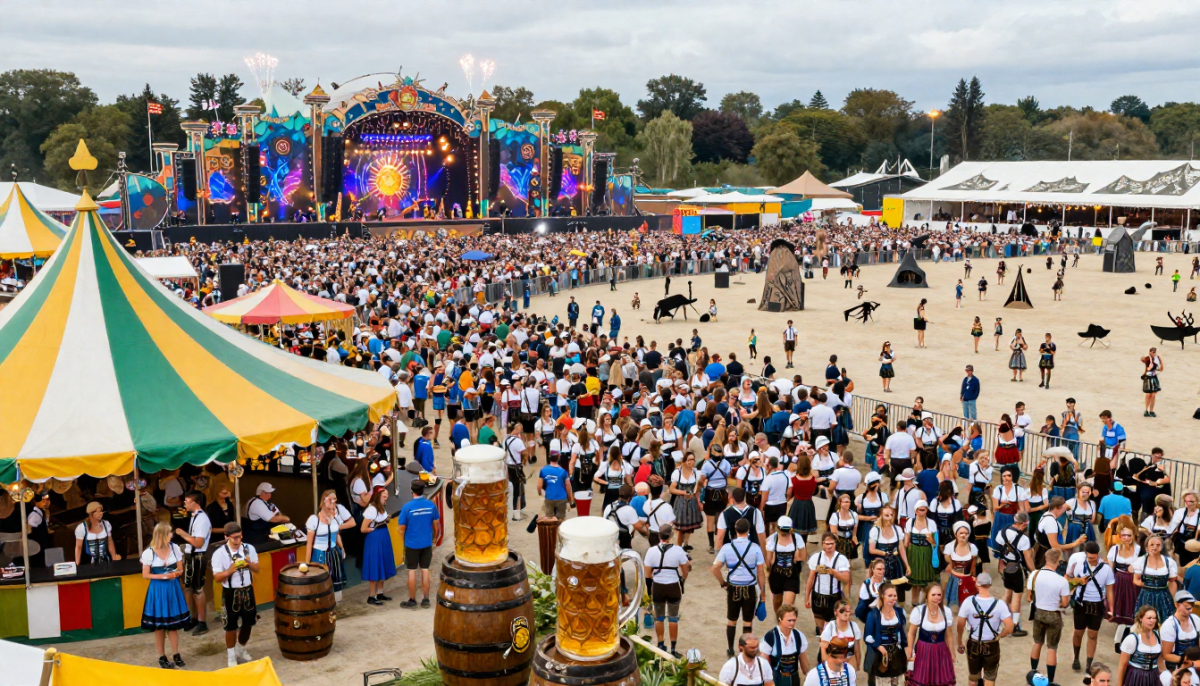
Oktoberfest is attended by about 6 million people each year. Its organization is regulated by the municipality of Munich, and only six historical Munich breweries are allowed to participate, with the volume of beer sold exceeding 7 million liters per season. This is a carefully managed infrastructure with a system of security, licensing, and sanitary control.
Tomorrowland gathers over 400,000 visitors over two weekends. Tickets are sold in several phases and sell out within minutes. The production of stages, light installations, and pyrotechnics involves a multi-million budget and a year-long preparation cycle.
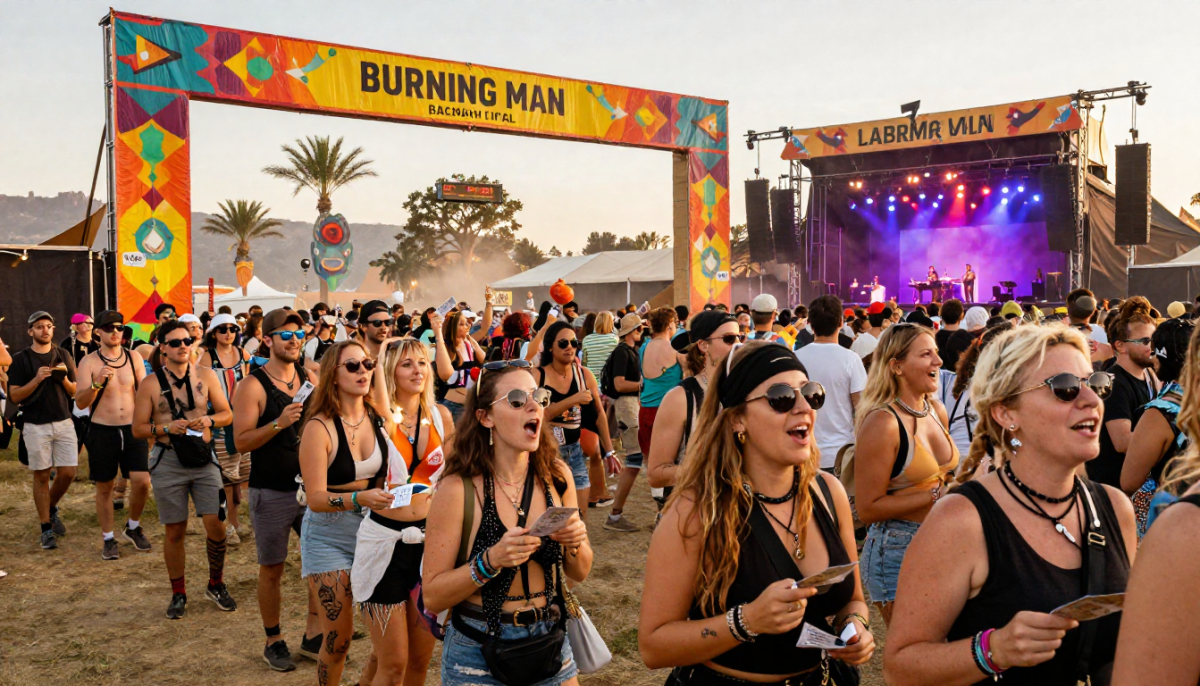
Even the seemingly anarchic Burning Man operates under strict principles - the temporary city of Black Rock City is built each year according to a pre-approved plan, organizers interact with federal structures in the USA, and participation requires prior registration and adherence to the community code.
Behind the image of freedom lies a clear institutional framework.
Myth #3. Modern festivals completely retain their original religious or cultural function.
Many holidays indeed have religious roots, but their modern significance has changed significantly.
Holi is connected with Hindu mythology and the story of Prahlada. However, in the megacities of India and especially outside its borders, the holiday has largely lost its ritual component and transformed into a massive colorful show aimed at youth and tourists.
St. Patrick's Day was historically a religious holiday in Ireland and remained relatively subdued until the 1970s. Today, however, the largest parades take place not only in Dublin but also in New York, Chicago, and Sydney, where it has become a marker of diaspora identity and part of the global cultural economy.
Even Yuanxiao Festival, which dates back to the Han era, is actively integrated into tourist programs and urban cultural strategies in modern China.
The function has changed - the sacred has become cultural and commercial.

Myth #4. The largest festival in the world is a specific brand.
The text mentions "the largest" and "the most massive" events, but such statements rarely have a clear statistical basis.
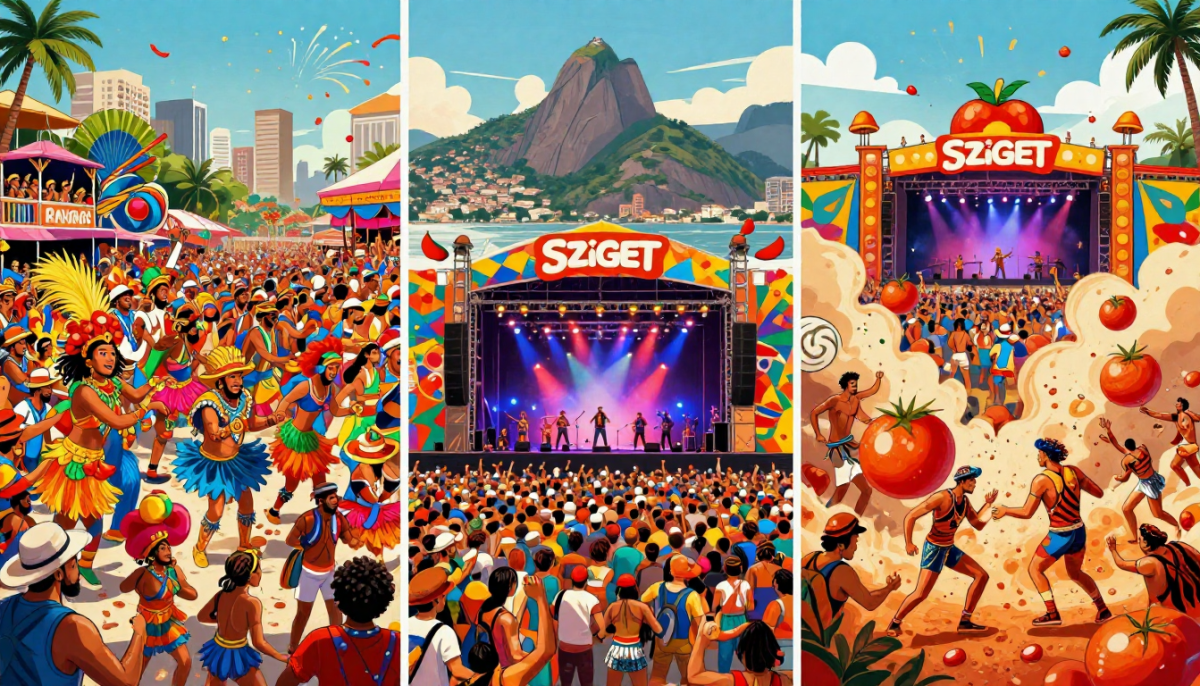
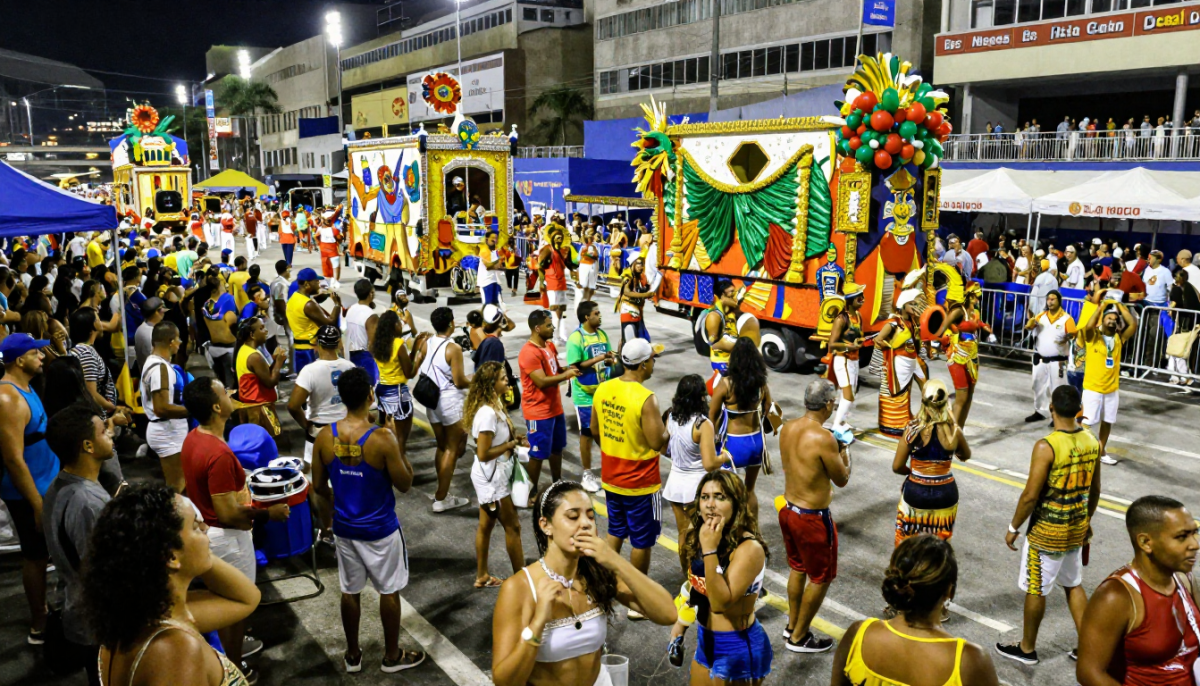
For example, the Carnival in Rio de Janeiro attracts up to 2 million people per day during street events. Sziget hosts about 450,000 visitors over a week. La Tomatina, on the other hand, limits the number of participants to around 20,000 for safety reasons.
The scale depends on the criteria - duration, total attendance, one-time gathering of people, budget, area of the event. There is no universal "largest"; there are different measurement parameters.
Myth #5. Participation in the festival is always available to anyone who wishes to join.
In tourist descriptions, the formula often sounds like - it's enough to just arrive. In practice, access to a number of festivals is strictly limited.
For example, participation in Burning Man requires prior ticket purchase through a complex system of lotteries and registrations. The cost of a standard ticket in recent years has exceeded $500, not including transportation and accommodation. The number of participants is limited by the approval of the Bureau of Land Management in the USA - about 70-80 thousand people.
La Tomatina has also introduced paid tickets and a limit on the number of participants to about 20 thousand since 2013 due to safety concerns and the load on the infrastructure of the town of Buñol, which has a population of around 9 thousand people.
Even at Tomorrowland, getting in is not easy - tickets sell out within minutes after sales open, and a significant portion of the quotas is distributed by country. Formally, entry is open to everyone; in reality, access is determined by the speed of registration, financial capabilities, and luck.
The idea of complete openness is more of an image than a reality.
Myth #6. Festivals always bring only economic benefits to the host region.
It is often claimed that large-scale events automatically stimulate the economy. In reality, the effect is more complex.
The Carnival in Rio de Janeiro indeed brings billions of reais in tourist revenue to the city. However, preparing samba schools requires significant investments, and public funding regularly becomes a subject of political disputes.
Oktoberfest generates hundreds of millions of euros in turnover, but it also requires serious expenditures on security, medical services, and urban infrastructure. During crisis periods, such as in 2020-2021, the cancellation of the festival demonstrated how dependent local businesses can become on a single event.
The economic effect is distributed unevenly - hotels, transportation, and large brands benefit, but small residents in the city center often face noise, rising prices, and urban overcrowding.
Myth №7. Festivals preserve "pure" national culture without external influence.
Many holidays are perceived as expressions of authentic national identity. However, globalization has noticeably changed their character.
Sziget was originally conceived as a Hungarian cultural initiative in the early 1990s, but today its program is shaped with a focus on the international market. The lineup includes artists from the USA, the UK, and South Korea, and the audience is made up of more than half foreign guests.
Comic-Con in San Diego started as a gathering of comic book fans in 1970, and has now transformed into a global platform for the largest Hollywood studios. Premieres of series and films from Netflix, Disney, and Warner Bros. often become the main events of the festival, overshadowing the original niche atmosphere.
The national flavor is preserved, but it coexists with the global entertainment market.

Myth #8. Extreme festivals are not regulated by environmental standards.
This representation particularly concerns events in natural environments.
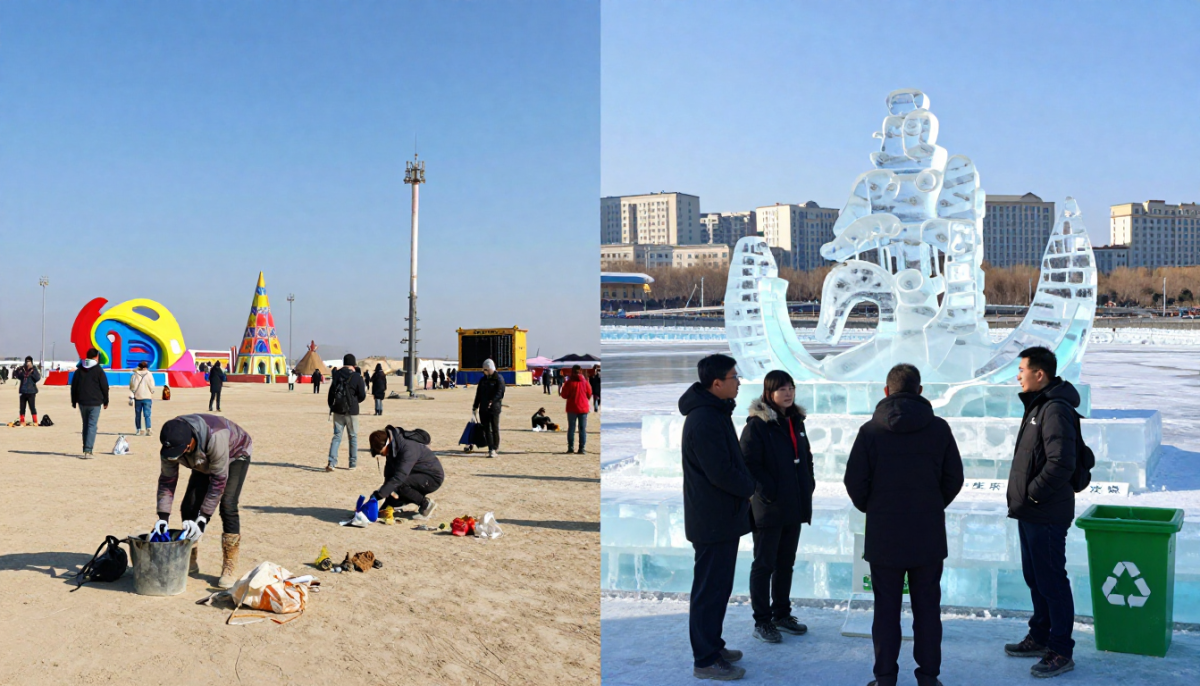
Burning Man is often criticized for its impact on the Black Rock Desert. However, the festival operates on the principle of Leave No Trace - participants are required to completely clean up after themselves, and after the event concludes, a large-scale inspection of the area is conducted. The organization must obtain permission from federal authorities each year and report on the state of the environment.
The Harbin International Ice and Snow Festival uses natural ice from the Songhua River, but in recent years, the issue of energy consumption for lighting the ice structures has arisen. City authorities are gradually implementing more energy-efficient technologies.
The environmental issue is not ignored, but it remains a subject of constant balance between the scale of the show and sustainability.
Myth #9. All festivals are built around entertainment, not social function.
Some events have a pronounced cultural or political significance.
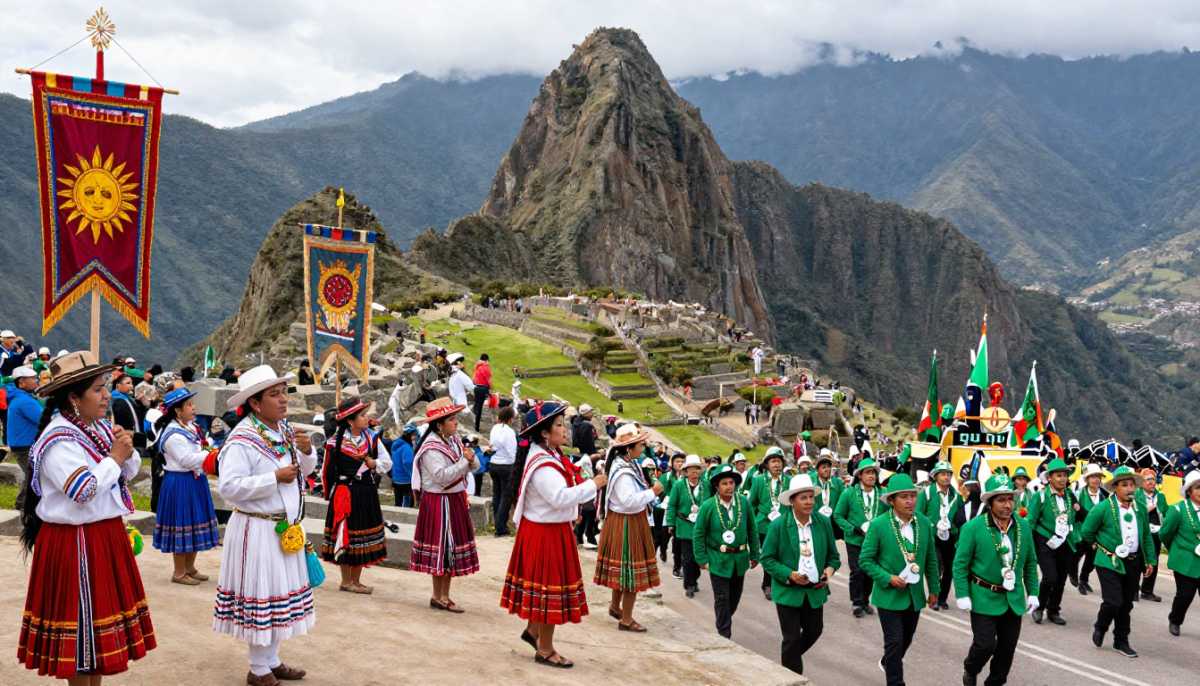
Inti Raymi has become an important tool of cultural policy in Peru and a means of strengthening the identity of indigenous peoples. Its celebration is associated with rethinking the colonial past and affirming Incan heritage in the national narrative.
St. Patrick's Day has historically served as a demonstration of political presence for the Irish diaspora in the USA. As early as the 19th century, parades in New York became a platform for articulating demands and forming ethnic solidarity.
Entertainment often represents a visible part of more complex processes of self-identification and public policy.
Myth #10. The modern scale of festivals is a unique phenomenon of the 21st century.
It seems that mass cultural events are a product of the digital age. History tells a different story.
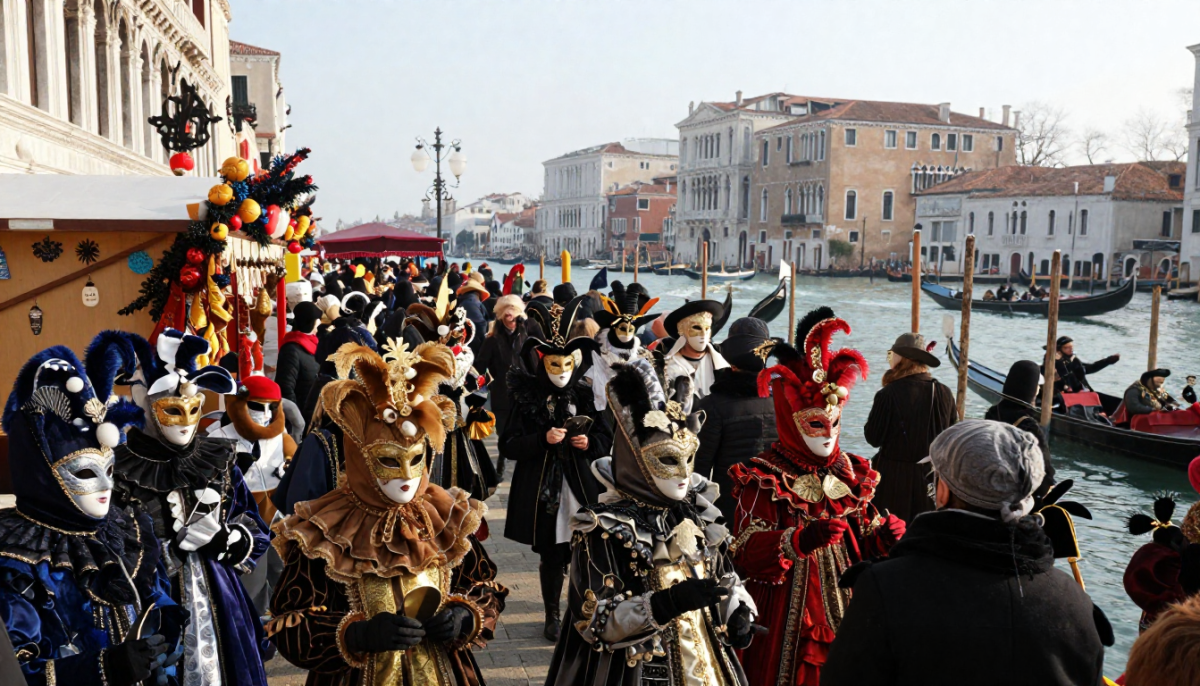
According to historians, in the 18th century, during carnival days in Venice, the city's population effectively doubled due to visitors. In the Roman Empire, the Saturnalia was accompanied by large public celebrations. Medieval fairs in France and Germany gathered tens of thousands of people - an impressive number for that time.
The Venetian carnival was already a major international event in the early modern period. The difference between the past and the present lies more in the speed of transportation, media impact, and commercial packaging than in society's inclination toward large-scale celebrations.
Massiveness is not a modern invention. The infrastructure and technology of organization have changed.
If necessary, we can further compile a complete second part of the article from myths 1-10 with a new introduction and an updated source block.
Sources
The festivals from the selection are indeed impressive, but their real history is more complex than the promotional version. Many of them were reconstructed in the 20th century, almost all are managed by large institutions, and their original functions have been transformed to meet modern cultural and economic tasks. This does not make them any less interesting. On the contrary, understanding their origins allows us to perceive them not as abstract "wonders," but as living cultural mechanisms.
- Hobsbawm E., Ranger T. The Invention of Tradition. Cambridge University Press, 1983.
- Falassi A. Time Out of Time: Essays on the Festival. University of New Mexico Press, 1987.
- Gilmore L. Carnival and Culture: Sex, Symbol, and Status in Spain. Yale University Press, 1998.
- Official Statistics - Landeshauptstadt Munchen. Oktoberfest Visitor Numbers.
- Marion T. Recreating Inca Ritual: Inti Raymi in Cusco. Latin American Research Review.
You might like

15 of the Strangest New Year's Traditions from Around the World
New Year is considered a universal holiday. It seems to erase borders: in different countries, people summarize the year, make plans, and set wishes. ...

The History of Car Logos: What Do These Symbols Really Mean?
The car logo is more than just a decorative element on the hood. It encapsulates the brand's history, its ambitions, technological achievements...

The strangest Guinness records: how the absurdity industry is organized
When we hear about the Guinness World Records, our imagination often conjures up a set of absurd achievements: people eating airplanes covered in a million bees...