
15 of the Strangest New Year's Traditions from Around the World
New Year is considered a universal holiday. It seems to erase boundaries: in different countries, people summarize the year, make plans, and set wishes. But if you look a little closer, it becomes clear that behind the external similarity lies a remarkable diversity of rituals. In some places, they break dishes, in others, they go to the cemetery, and in some, they seriously try to hear what animals are saying.
In this material, we analyze statements from the video and check them for factual accuracy.
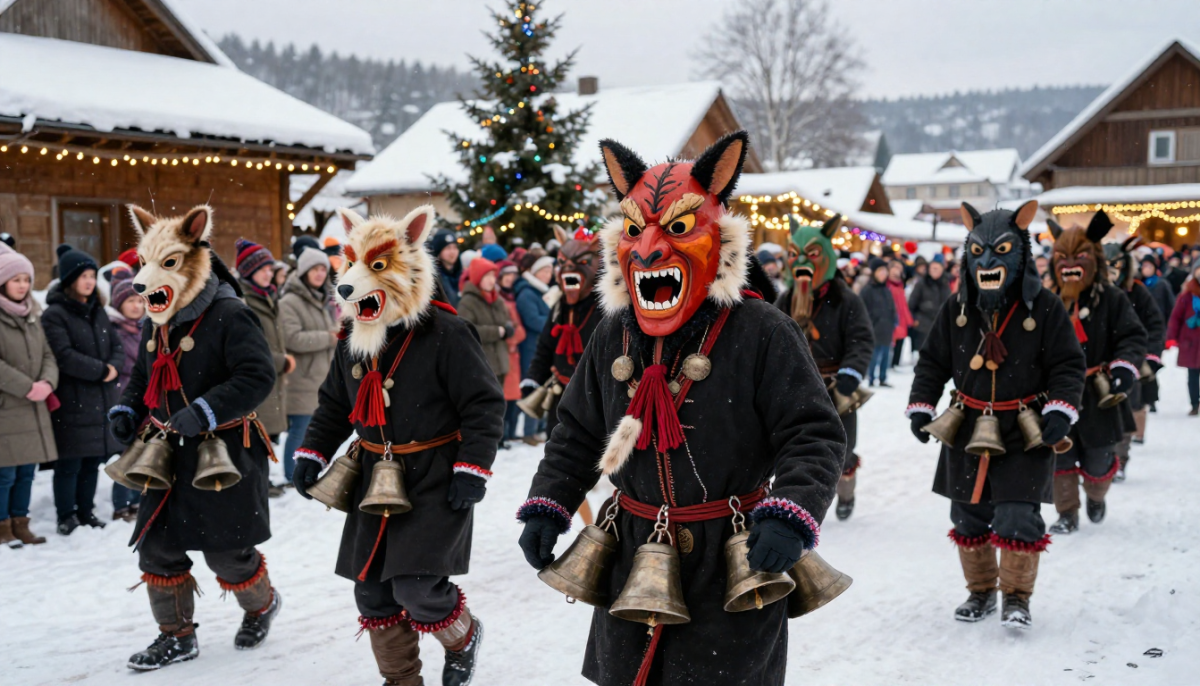
The Kukeri Parade - Bulgaria
The procession of masked performers is a pagan ritual that has survived to this day... Men dress in frightening masks... The goal of the kukers is to drive away evil spirits...
The tradition of kukers indeed exists in Bulgaria and has deep pre-Christian roots. It involves masquerade processions where participants wear massive masks, animal skins, and heavy bells. Their task is to symbolically "cleanse" the space of evil and ensure fertility.
However, it is worth clarifying: kuker festivals more often take place during the period between Christmas and Maslenitsa, especially in January, but not strictly on the night of December 31. This is a seasonal ritual of the winter cycle, rather than an exclusively New Year's practice. Nevertheless, the connection to the calendar turning of the year is indeed evident.
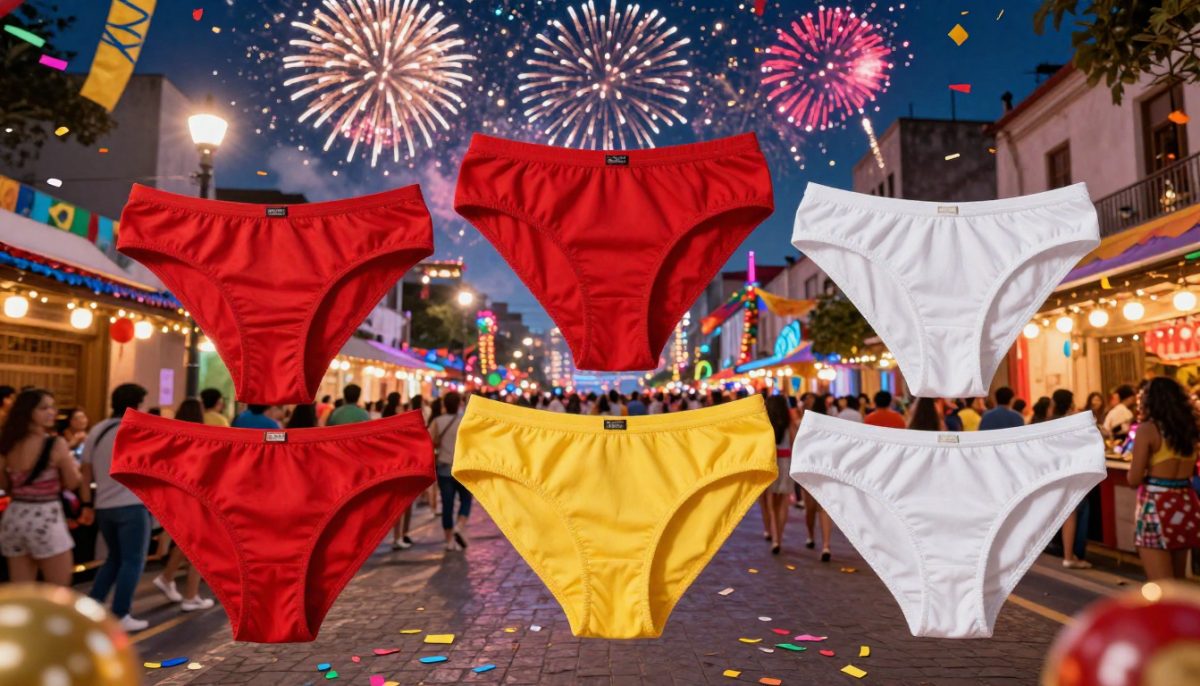
The color of underwear - countries of Latin America
If you choose the right color of underwear and celebrate a holiday in them, good luck in the new year is guaranteed...
This superstition is widely spread in Latin American countries - especially in Brazil, Argentina, Mexico, and Colombia. The colors are interpreted differently, but most often red is associated with love, yellow with wealth, and white with peace.
It is important to understand that this is not an ancient tradition, but rather a relatively modern urban culture. There is little ethnographic evidence of deep historical roots for this custom. It is more related to the realm of mass superstitions and commercialized holiday culture.
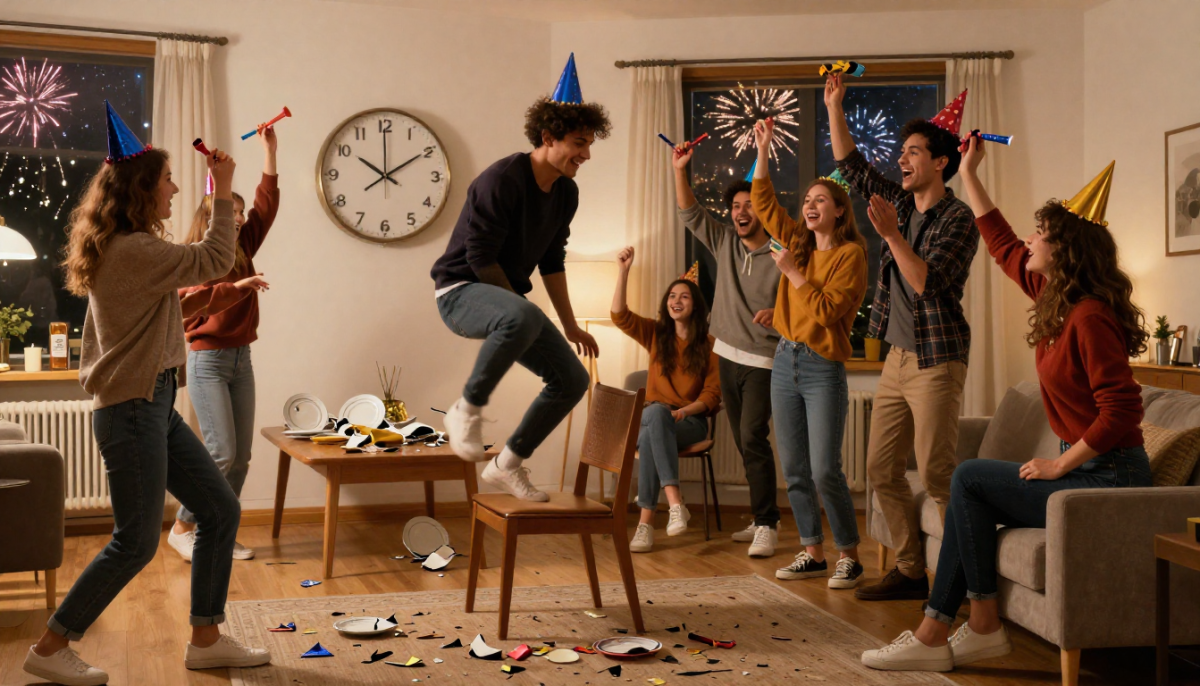
Jump into the New Year and breaking dishes - Denmark
With the chime of the clock, one must climb to the highest point... and "jump" into the new year...
The tradition of "jumping" does indeed exist in Denmark. People stand on a chair or sofa and, with the last stroke of the clock, jump to the floor - symbolically "entering" the new year.
As for the breaking of dishes, the custom is also confirmed. Old plates are smashed at the doors of friends and relatives. However, the scale of this practice in the video is somewhat exaggerated. It is more of a local and semi-humorous gesture than a widespread national ritual.
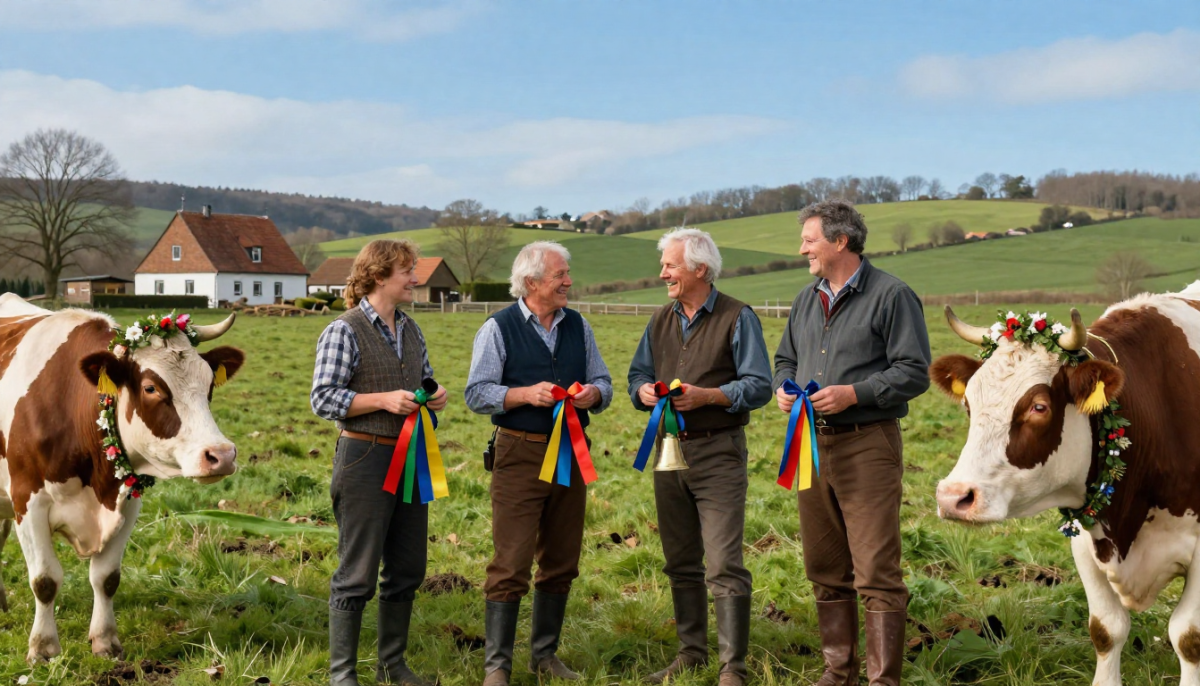
Congratulations to the cows - Belgium
Belgian farmers go to congratulate cows on New Year's Day...
The tradition of New Year's greetings for farm animals does exist in some regions of Belgium, especially in Flanders. Farmers address the animals with wishes for well-being.
However, linking this directly to the quality of Belgian chocolate is an obvious irony. This is a local agricultural custom, not a nationwide practice.
Divination with Lead - Finland
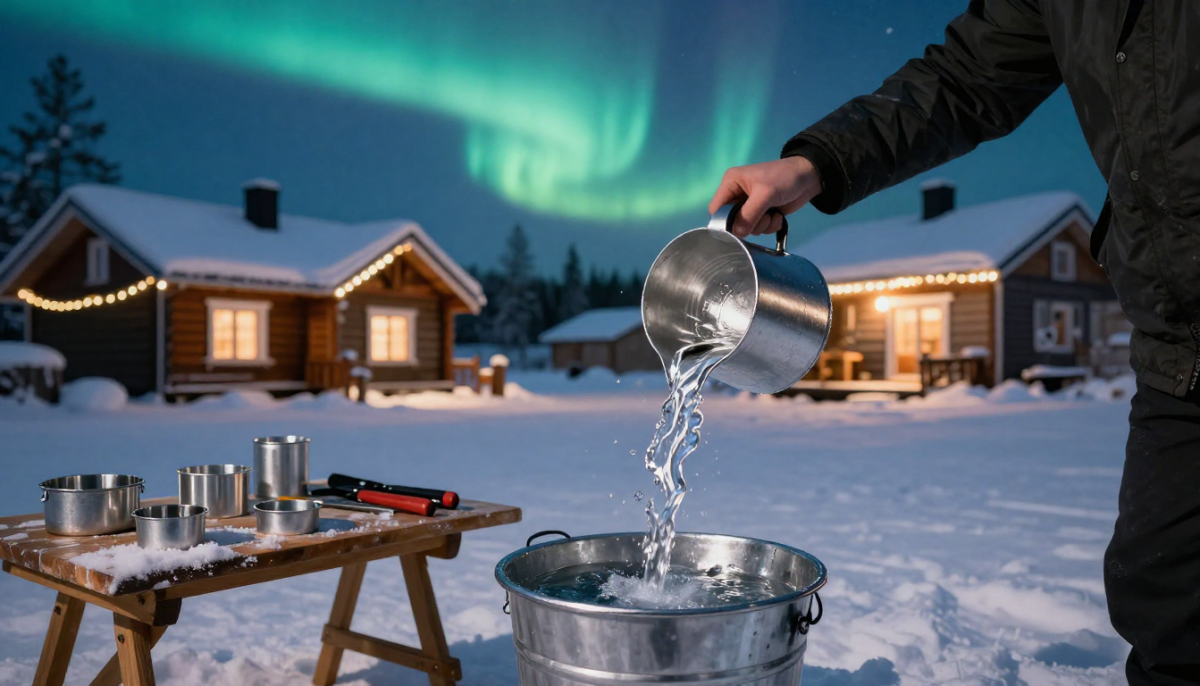
To find out what awaits you in the new year, in Finland they practice divination with melted tin...
This custom is known as uudenvuodentina - New Year's divination with tin. The melted metal is poured into water, and then the resulting shapes are interpreted.
It is important to note that in recent years, the sale of traditional tin horseshoes in Finland has been restricted due to lead content. They are replaced with safer alloys. Nevertheless, the tradition itself is preserved.
Takanaquy - Peru
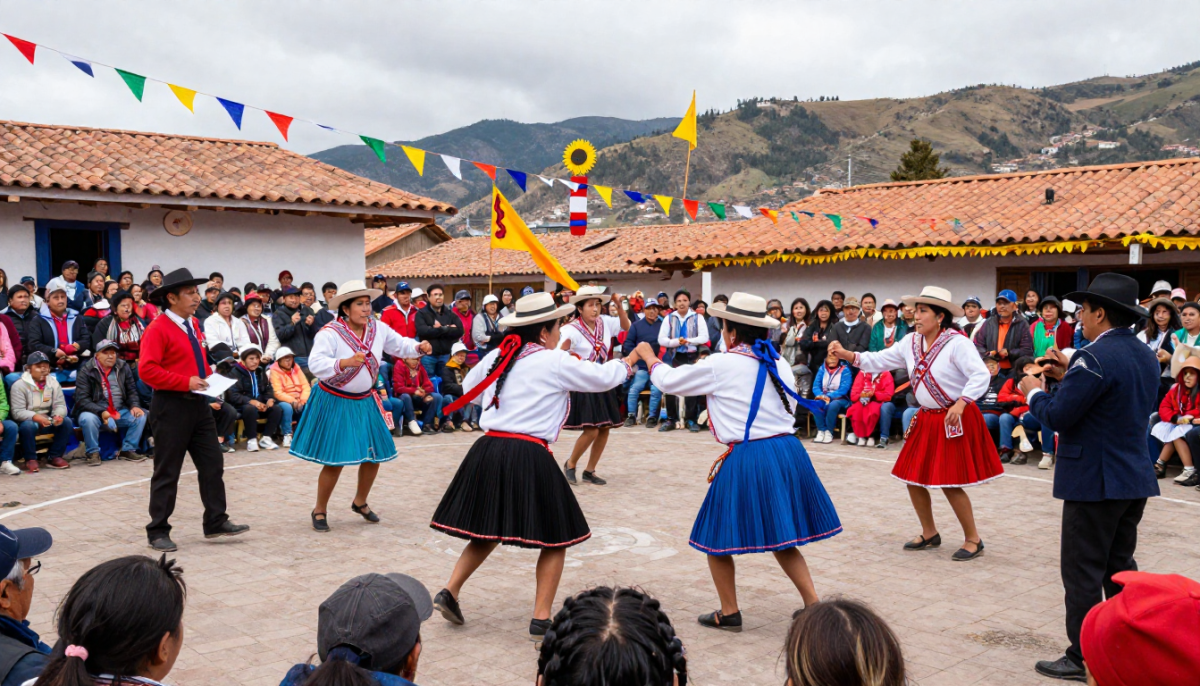
Takanakuy Festival... residents gather... to beat each other...
The Takanakuy Festival indeed takes place at the end of December in the Cusco region. It is a form of ritualized duels aimed at resolving conflicts before the new year.
However, the phrase "to the half-death" is clearly exaggerated. The duels are conducted according to rules, in the presence of judges and spectators. Despite the injuries, it is not anarchic violence, but a culturally established ritual.
Seven Feasts - Estonia
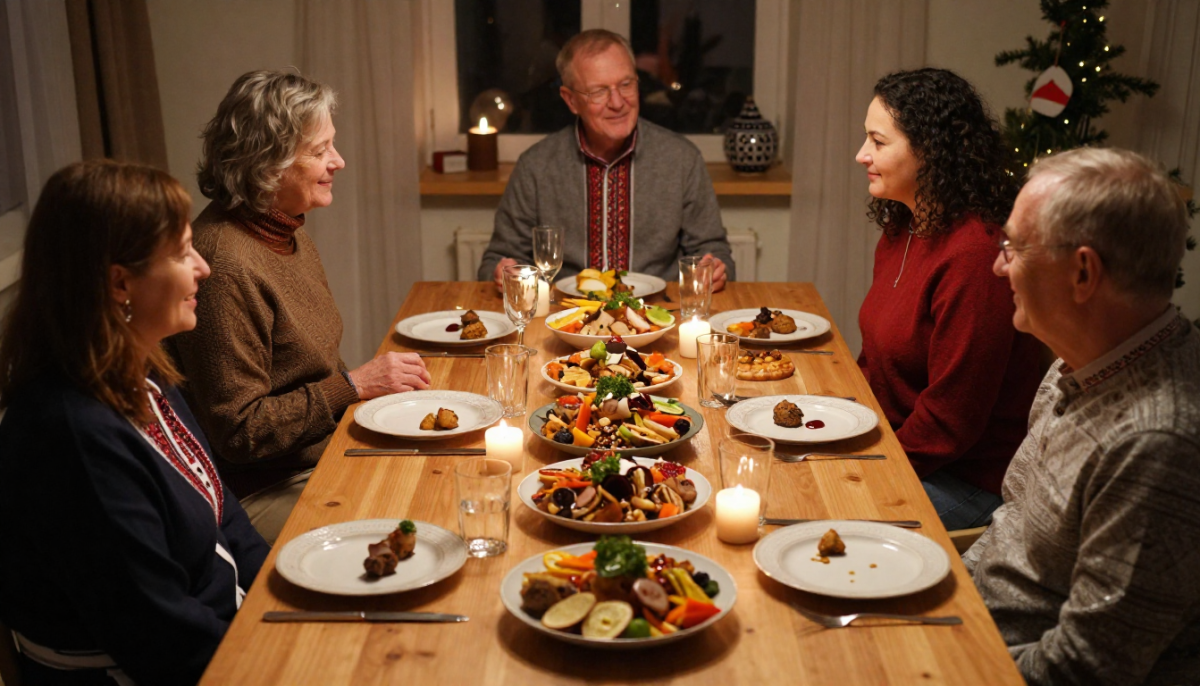
On New Year’s, they sit at the table seven times...
The Estonian tradition of multiple meals is indeed mentioned in ethnographic sources. The numbers 7, 9, and 12 are considered lucky. Leaving a little food on the table is also part of the belief so that the spirits of ancestors can join.
The video here generally conveys the essence of the custom, although the actual practice today is, of course, less literal.
Malanka - Ukraine
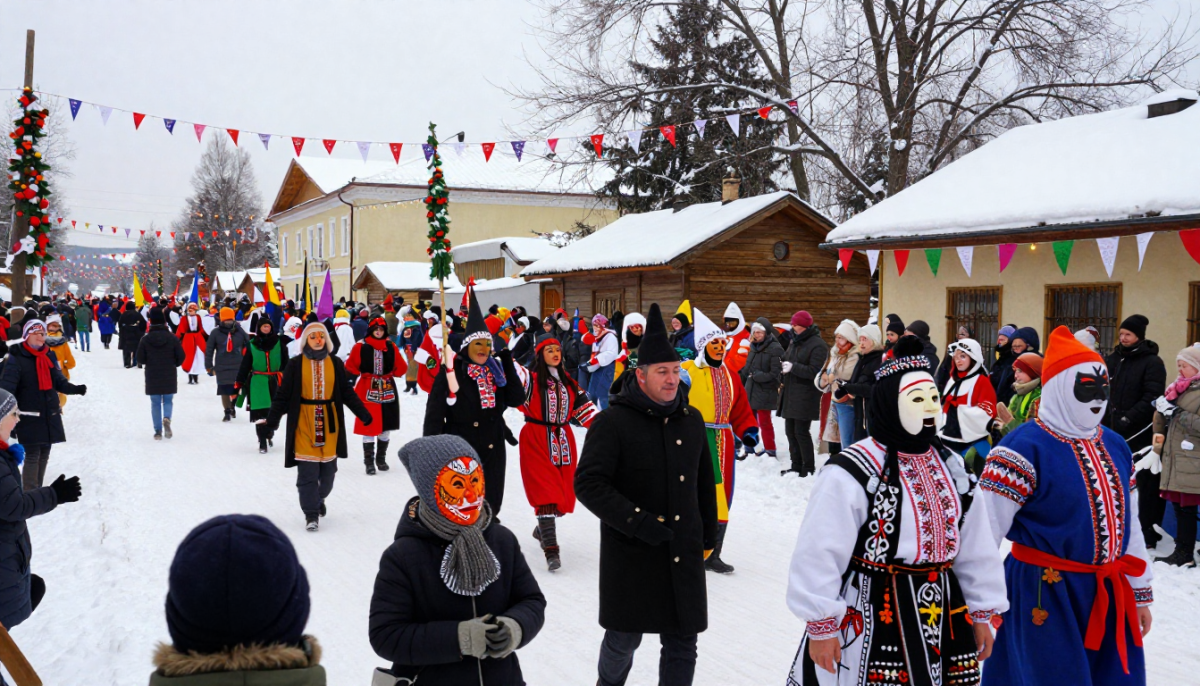
The Malanka Festival... a pagan tradition...
Malanka is a traditional holiday on the eve of the Old New Year, celebrated in the western regions of Ukraine. It combines pre-Christian elements and the Christian tradition of St. Melania's day.
Carnival processions, costumed participants, satirical images - all of this is confirmed. The video accurately describes the structure of the festival, although the term "unrestrained merriment" is more journalistic.
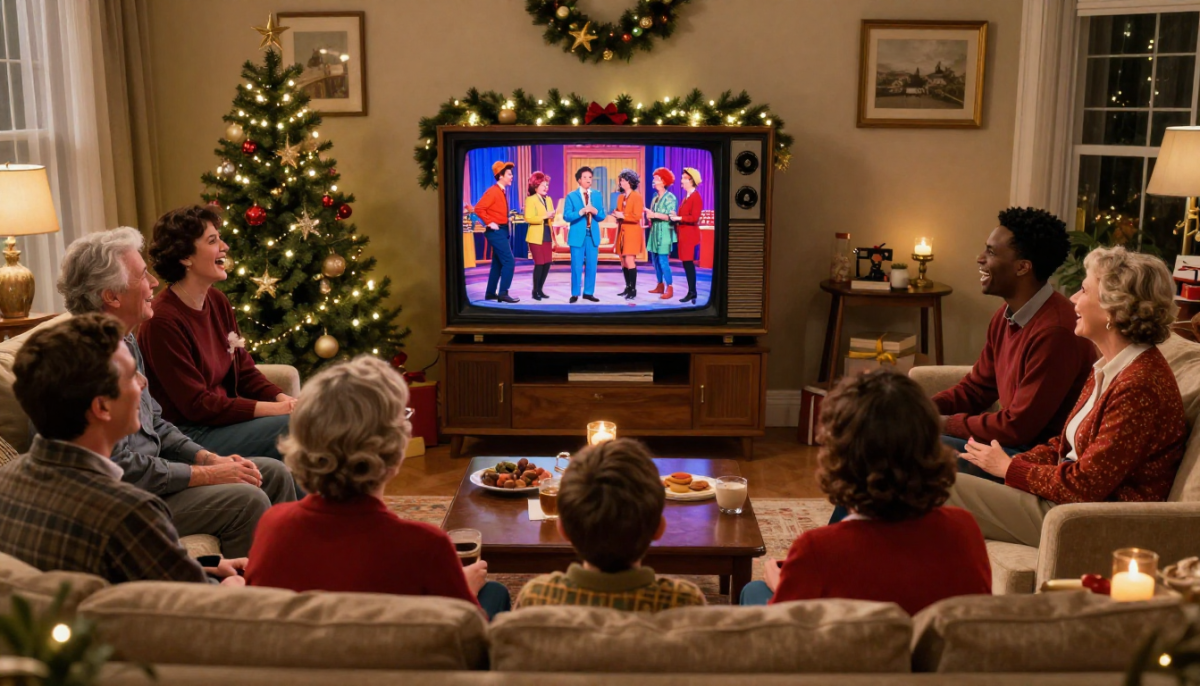
Television show in Iceland
90% of the population watches the New Year's comedy show since 1966...
This refers to the annual satirical television show Áramótaskaupið, which has indeed been airing since 1966. The viewership level is traditionally very high - over 80% of the population.
Thus, the statement is close to reality, although the figure of 90% varies from year to year.
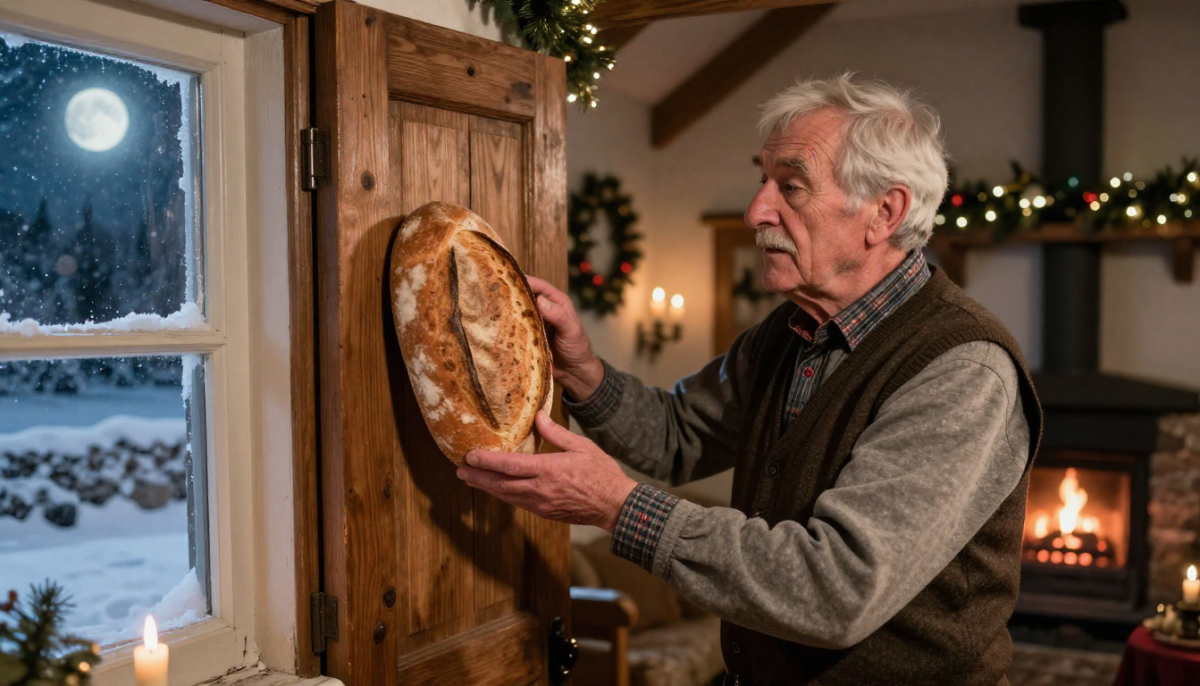
Bread and Knock in Ireland
They walk and knock on doors with a loaf of bread...
The custom of knocking bread against walls is associated with Irish New Year's beliefs. It is intended to drive away poverty and attract prosperity. The practice is not a widespread modern norm but is described in folklore.
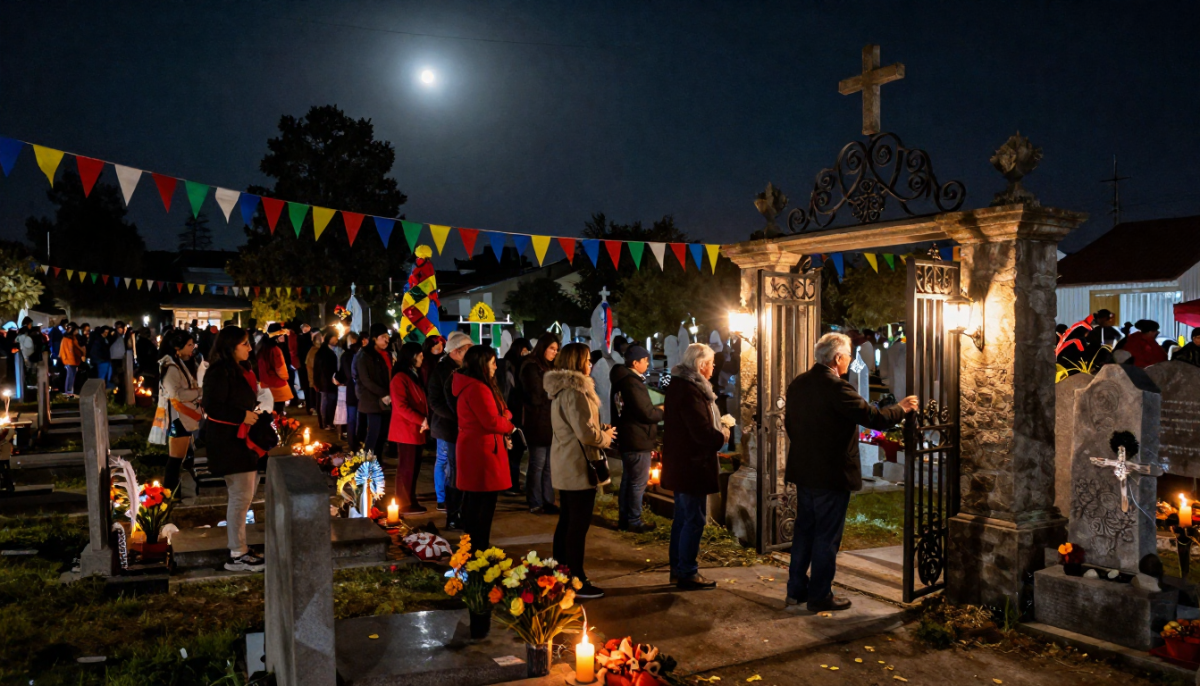
Night at the Cemetery - Chile
The mayor opens the gates of the cemetery... thousands of people welcome the New Year among the graves...
This is about the city of Talca in Chile. There is indeed a tradition of visiting the cemetery at night on December 31. The practice received official support from the municipality in the 20th century.
This is not a "couple of hundred years" of tradition - rather, it is a few decades in an institutionalized form.
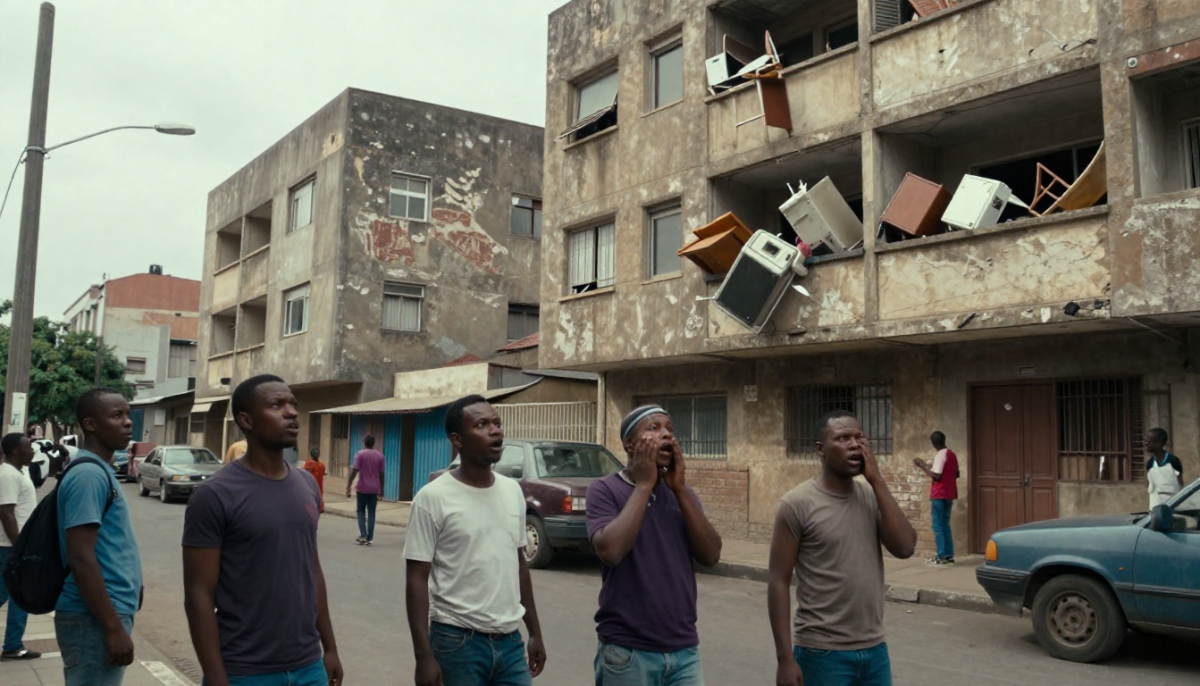
Throwing Away Things - South Africa
In the Hillbrow area, furniture and appliances are thrown out of windows...
Such a practice was indeed recorded in Johannesburg in the 1990s and 2000s. However, this is more of a social problem specific to the area than an acknowledged tradition.
The authorities actively fought against this phenomenon, and it is hardly appropriate to call it a cultural custom.
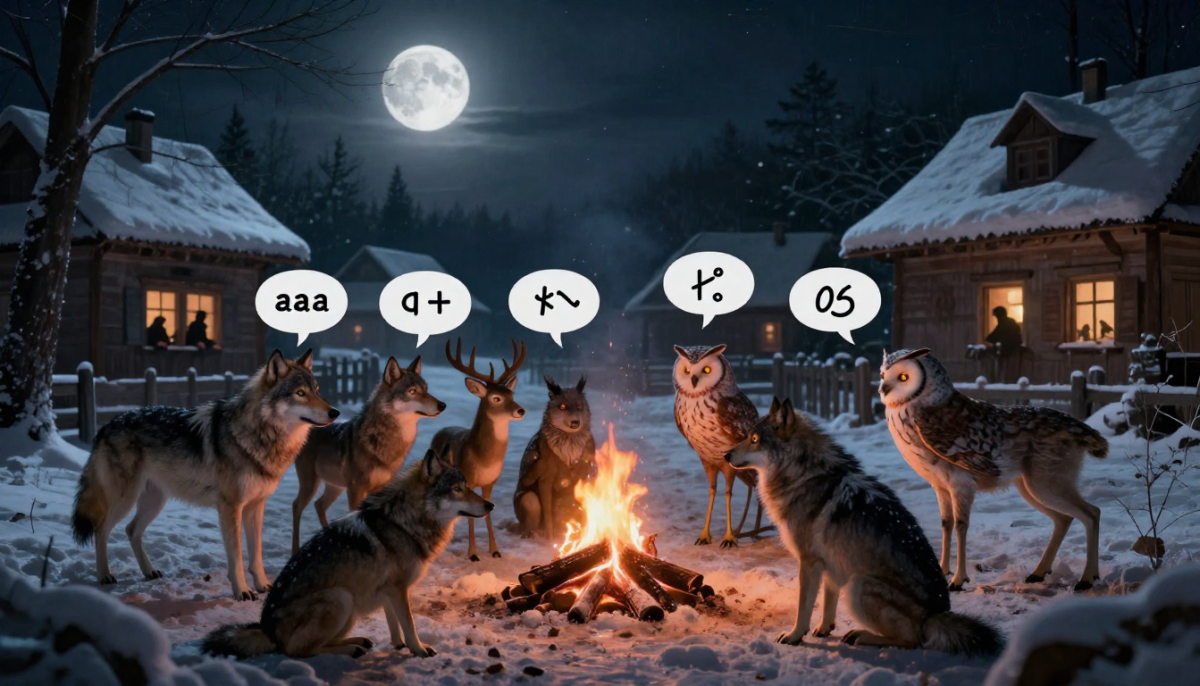
Listening to Animals - Romania
If animals speak in human language - it's a bad sign...
Folklore about animals understanding human speech on New Year's Eve is known in Romanian tradition. However, the actual "listening" is more of a symbolic act than a widespread ritual.
This is an element of folk beliefs, not a widely practiced modern tradition.
Underwater Christmas Tree - Russia
Divers from Irkutsk are setting up a Christmas tree at the bottom of Baikal...
Such dives have indeed been organized by Irkutsk dive clubs since the early 2000s. This is a local initiative by enthusiasts, not a national custom.
Nevertheless, the fact of conducting underwater New Year dives is confirmed.

Mass Kiss - Venice
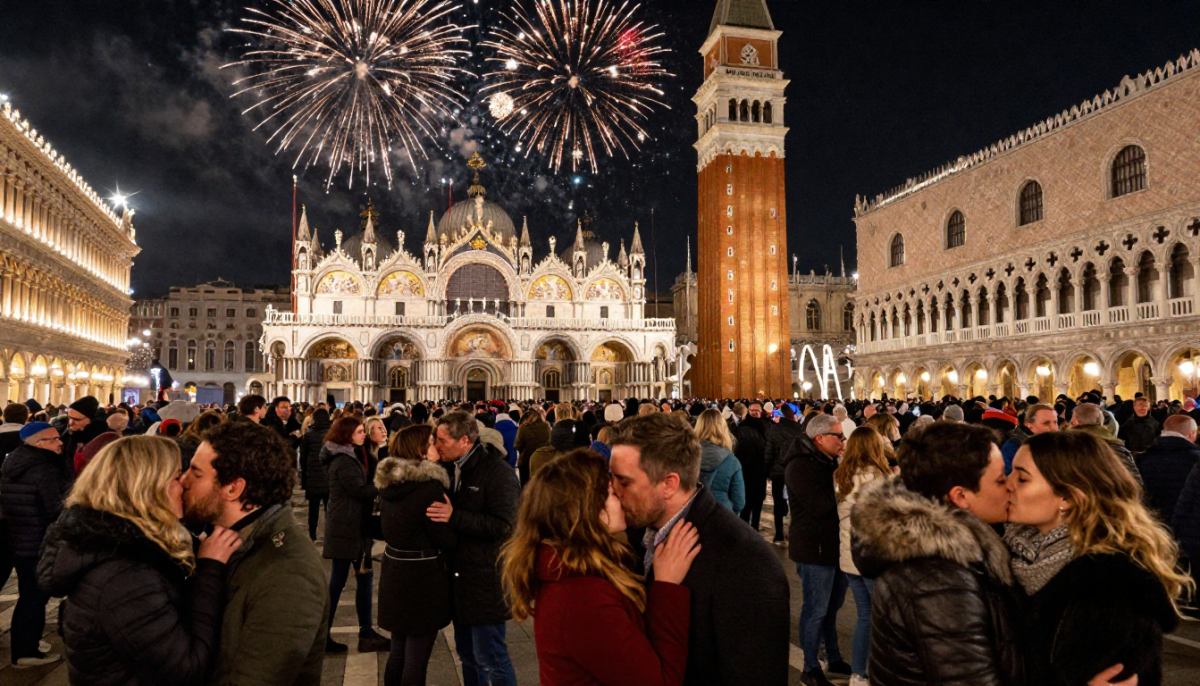
Kiss Marathon at St. Mark's Square... since 2008...
In Venice, the Love 2008 event called "LovEvolution" was indeed held - a mass New Year’s kiss at St. Mark's Square. It received wide resonance.
However, as an annual sustainable tradition, the event existed for a limited time. Today, it is more of an episode in the history of urban celebrations than an unchanging ritual.
Sources
- Encyclopedia of European Folklore - ABC-CLIO - 2015
- Ritual and Religion in the Making of Humanity - Cambridge University Press - 1999
- Áramótaskaupið - RÚV - year requires clarification
- National Geographic materials on Takanaqay - year requires clarification
- Ethnologia Europaea - Journal of European Ethnology - various years
- BBC News materials on New Year traditions - various years
You might like
Festivals We Misunderstand
Festivals are often described as a universal language of joy. Tourist websites promise emotions, guides - scale, bloggers - unforgettable experiences. But behind ...

The History of Car Logos: What Do These Symbols Really Mean?
The car logo is more than just a decorative element on the hood. It encapsulates the brand's history, its ambitions, technological achievements...

The strangest Guinness records: how the absurdity industry is organized
When we hear about the Guinness World Records, our imagination often conjures up a set of absurd achievements: people eating airplanes covered in a million bees...