
Electric Vehicles: History, Limitations, and Real Prospects
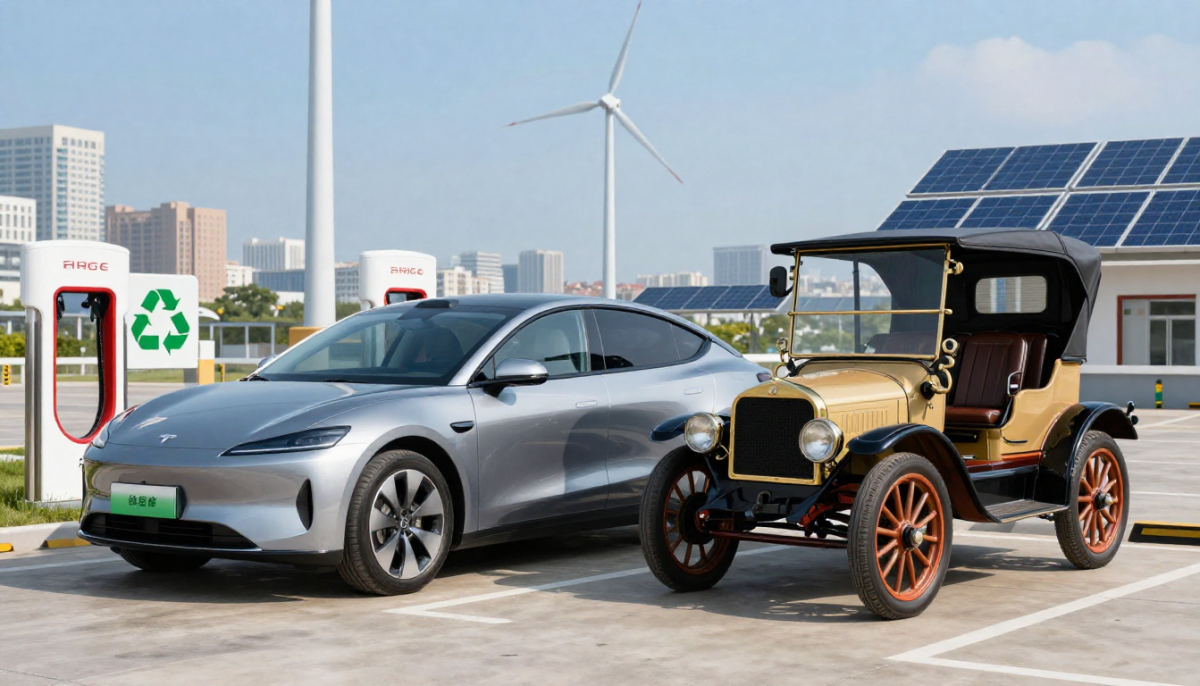
The electric car is often perceived as a technological novelty of the 21st century - as a product of the climate agenda, digitalization, and startups from Silicon Valley. In popular narratives, it is contrasted with the "outdated" internal combustion engine and presented as the inevitable future of transportation. However, the historical and technological picture is significantly more complex. The electric vehicle appeared before the gasoline one, held a significant market share in the early 20th century, then virtually disappeared, and today has once again found itself at the center of the industrial strategy of leading countries.
In this text, I will analyze several persistent notions about electric vehicles - from their origins to environmental consequences and prospects. The discussion will focus not on advertising slogans, but on verifiable facts: dates, figures, technical limitations, and economic decisions that have influenced the trajectory of transportation development.
Myth #1. The electric car is an invention of the 21st century.
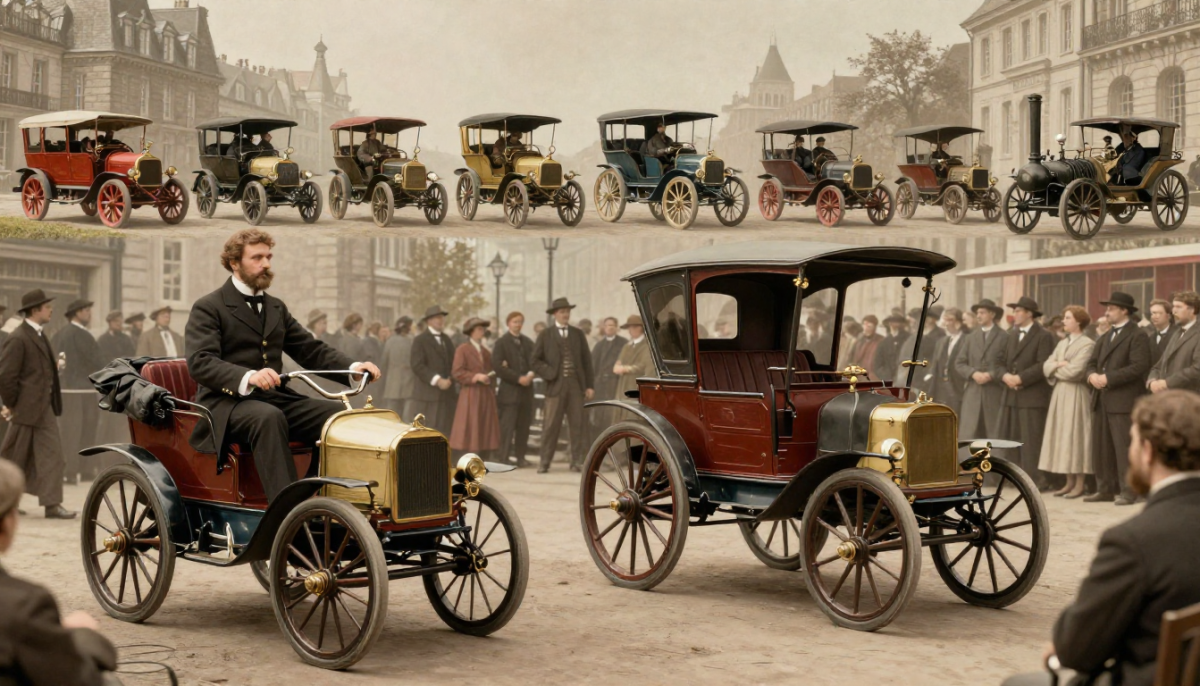
The electric car emerged before the mass-produced internal combustion engine vehicle. As early as 1828, Hungarian inventor Ányos Jedlik created a primitive electric cart. In the 1830s-1840s, similar prototypes were developed in Scotland and the USA. By 1841, an electric vehicle in the form of a cart with an electric motor appeared, and in 1881, an electric carriage was demonstrated to the public at the International Electric Exhibition in Paris.
By the turn of the 19th-20th centuries, electric cars were not an exotic phenomenon. In 1900, about 38 percent of cars in the USA were electric, 40 percent were steam-powered, and only 22 percent were gasoline-powered. This indicates that a technological fork truly existed. The electric car did not "revive" today - it returned after a century-long hiatus caused by the economic and infrastructural decisions of the early 20th century.
Myth #2. Russia did not participate in the early history of electric vehicles.
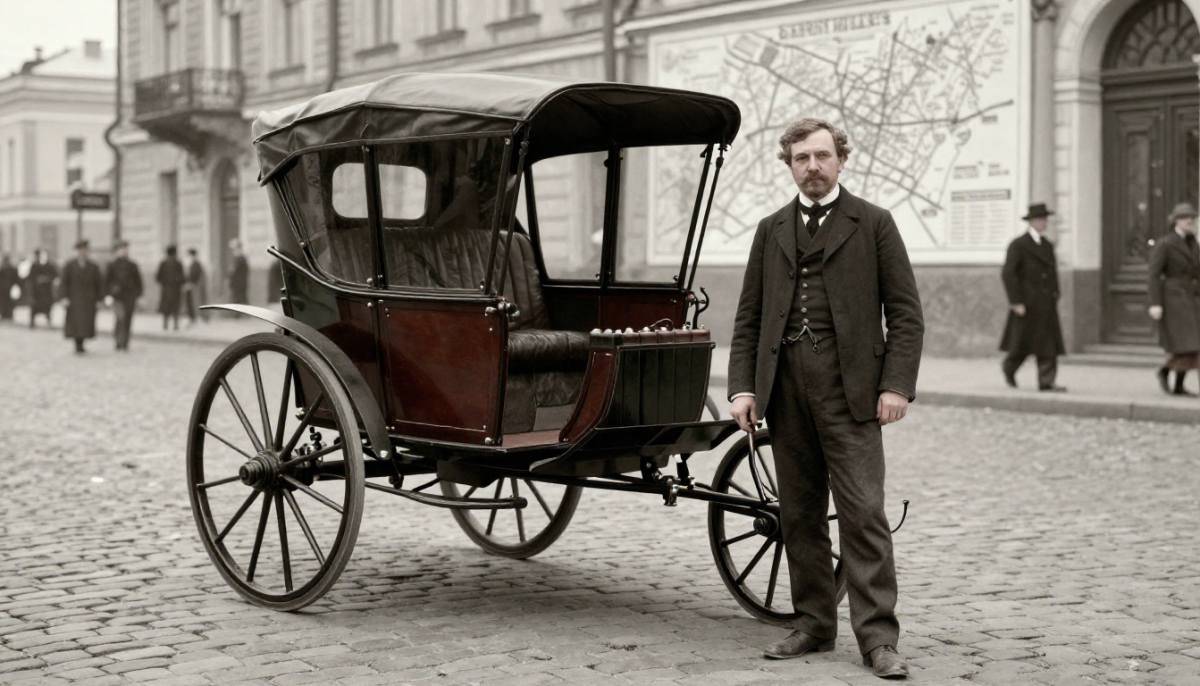
In 1899, engineer Hippolyte Romanov created an electric carriage for 17 passengers in St. Petersburg. The design borrowed the layout of English cabs: the driver was located behind the passengers. The vehicle was equipped with lead-acid batteries that required recharging approximately every 64 km, and the total power output was about 4 horsepower.
Romanov even developed a scheme for urban routes - essentially a prototype of trolleybus service - and received permission for operation. The project did not materialize not due to technical infeasibility, but because of a lack of investment. This episode is significant as it shows that technological solutions often depend on capital and infrastructure, not just on engineering ideas.
Myth #3. Electric cars lost to gasoline ones due to weak power.
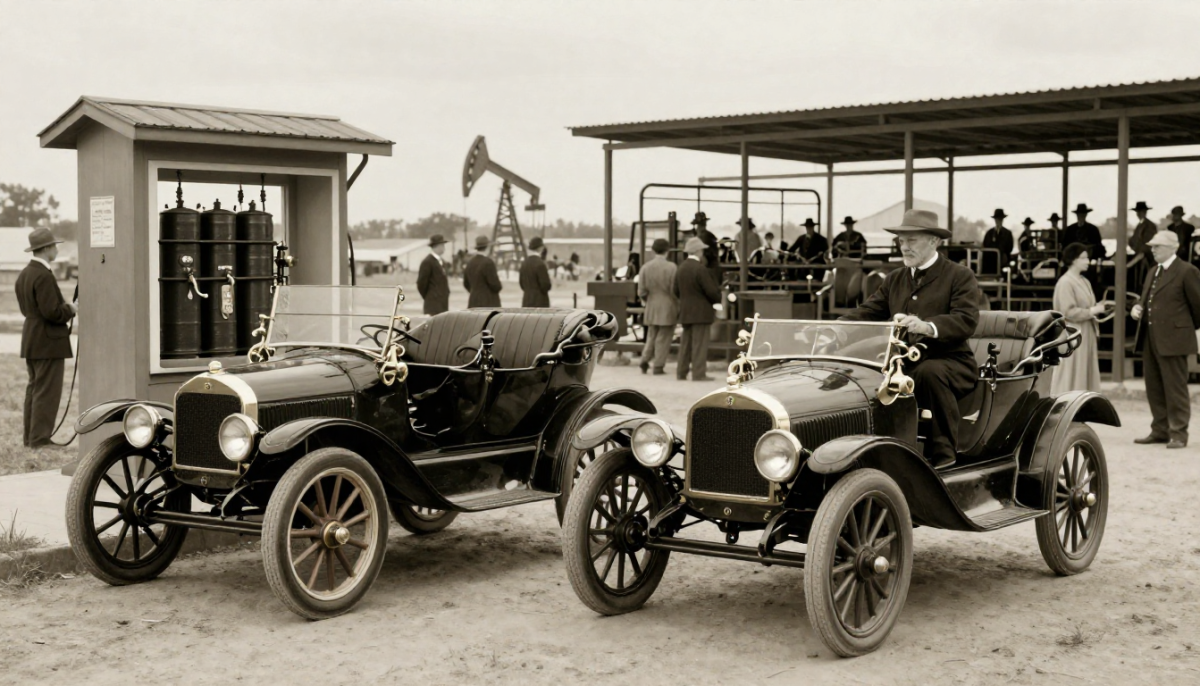
At an early stage, the range and speed of electric and gasoline vehicles were comparable. The key limitation was not dynamics, but the recharging system. In the late 19th and early 20th centuries, there was no developed infrastructure for converting alternating current to direct current, and the batteries themselves were heavy and required complicated charging procedures. This significantly reduced the convenience of operation.
At the same time, Henry Ford launched the assembly line production of gasoline cars, which lowered their cost. The discovery of large oil fields in Texas made fuel cheap. As a result, economic logic outweighed technological parity. The choice in favor of the internal combustion engine was primarily a production and infrastructure decision.
Myth #4. Electric cars are completely eco-friendly.
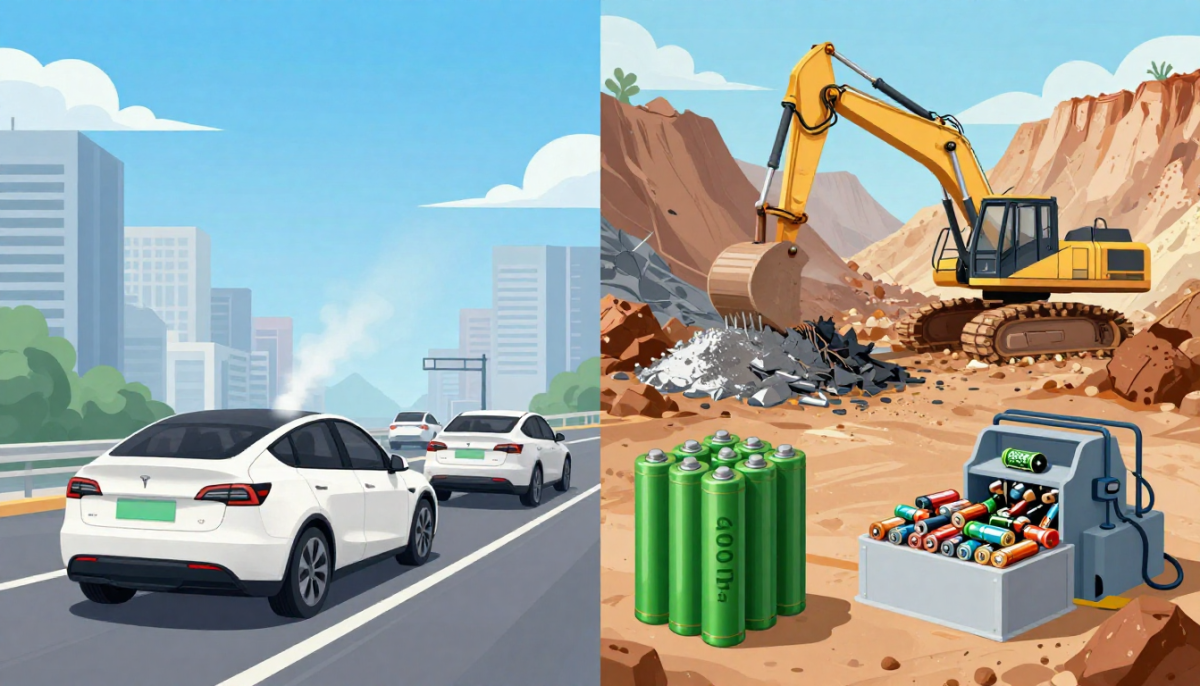
The absence of an exhaust pipe does indeed reduce local air pollution in cities. However, the ecological footprint of electric vehicles is distributed differently. The production of batteries requires the extraction of lithium, nickel, copper, and aluminum. The weight of the battery can reach 400 kg. This increases the energy intensity of production and creates a burden on the mining sector.
The lifespan of a battery is limited, and recycling remains a technologically complex and expensive procedure. If recycling is carried out with violations, serious environmental consequences may occur. Furthermore, when generating electricity at thermal power plants, some emissions are effectively transferred from cities to the energy sector.
This does not mean that electric vehicles are "worse" than gasoline ones. It means that the assessment should take into account the entire life cycle - from raw material extraction to battery recycling.
Myth #5. Electric cars currently do not provide practical advantages.
In practice, electric vehicles have measurable advantages. Zero emissions improve air quality in urban environments. Noise levels are lower, which is especially important for densely populated areas. The design is simpler - fewer moving parts, lower maintenance costs. Maximum torque is available from zero RPM, providing high acceleration dynamics. A low center of gravity due to the battery placement enhances stability.
The economic benefit depends on the model and region, but in urban cycles, operating costs can indeed be lower compared to gasoline counterparts. Limitations primarily concern the price, infrastructure, and range of budget models.
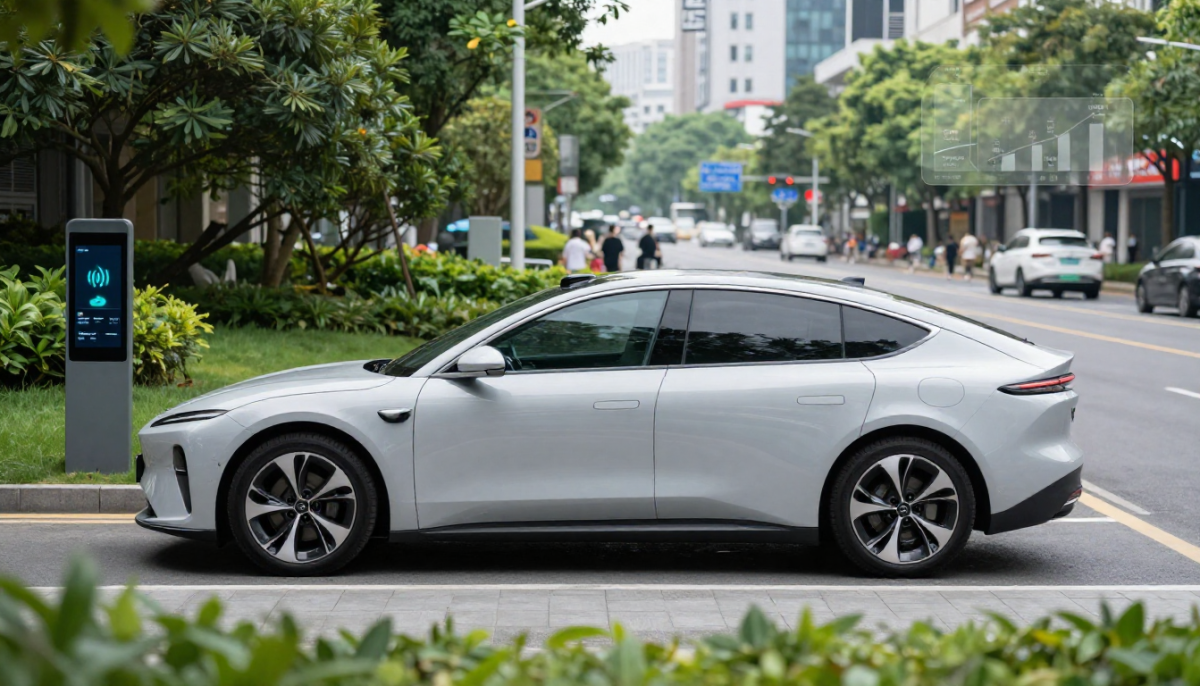
Myth #6. If everyone switches to electric vehicles, the energy system will simply collapse.
This thesis is regularly voiced - especially in countries with worn-out infrastructure. But calculations show a more complex picture.
Yes, the mass transition increases the demand for electricity. According to the International Energy Agency, with a full transition of passenger transport to electric drive, total electricity consumption in developed countries will rise by approximately 15-25 percent. This is a significant load, but it is not proportional to the growth of the vehicle fleet, because transport is only part of the overall energy consumption.
The key factor is not only the volume of energy but also the charging time. If charging is distributed over nighttime hours, the load is smoothed out. Moreover, smart charging and vehicle-to-grid technologies allow cars to be used as elements of distributed energy storage.
The problem is not in physical impossibility, but in the pace of network modernization. Where infrastructure upgrades lag behind, local overloads occur. However, a systemic "collapse" is not observed in countries with planned energy policies.
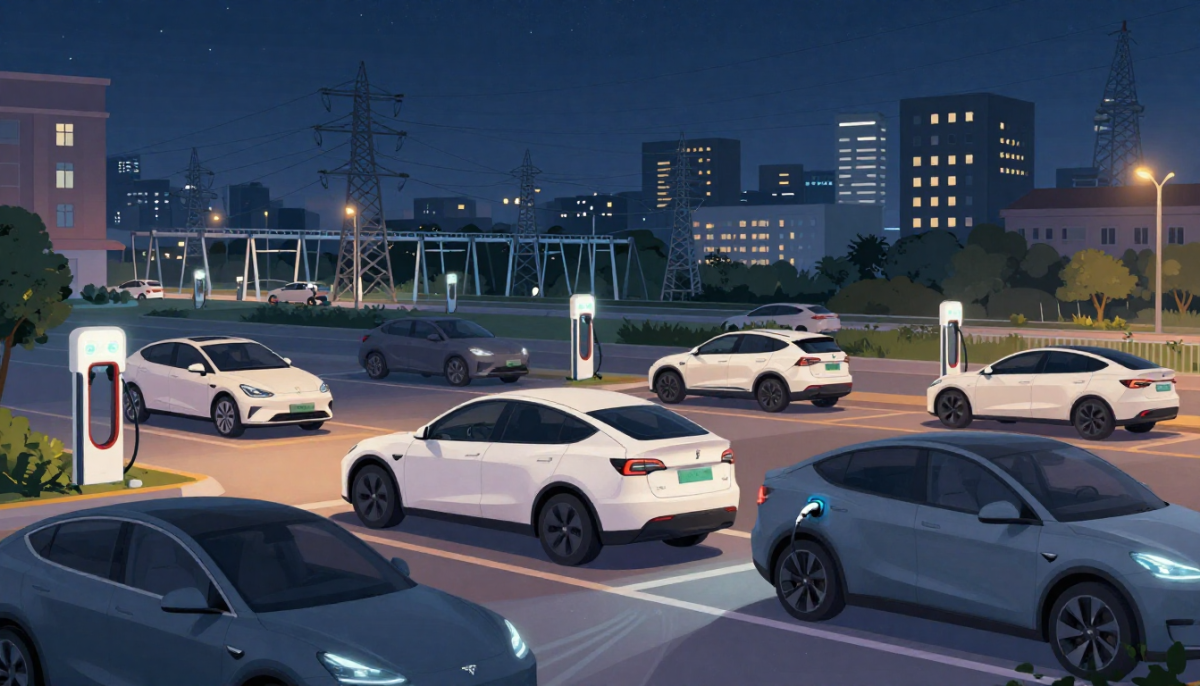
Myth #7. Electric vehicles are more dangerous due to the risk of battery fires.
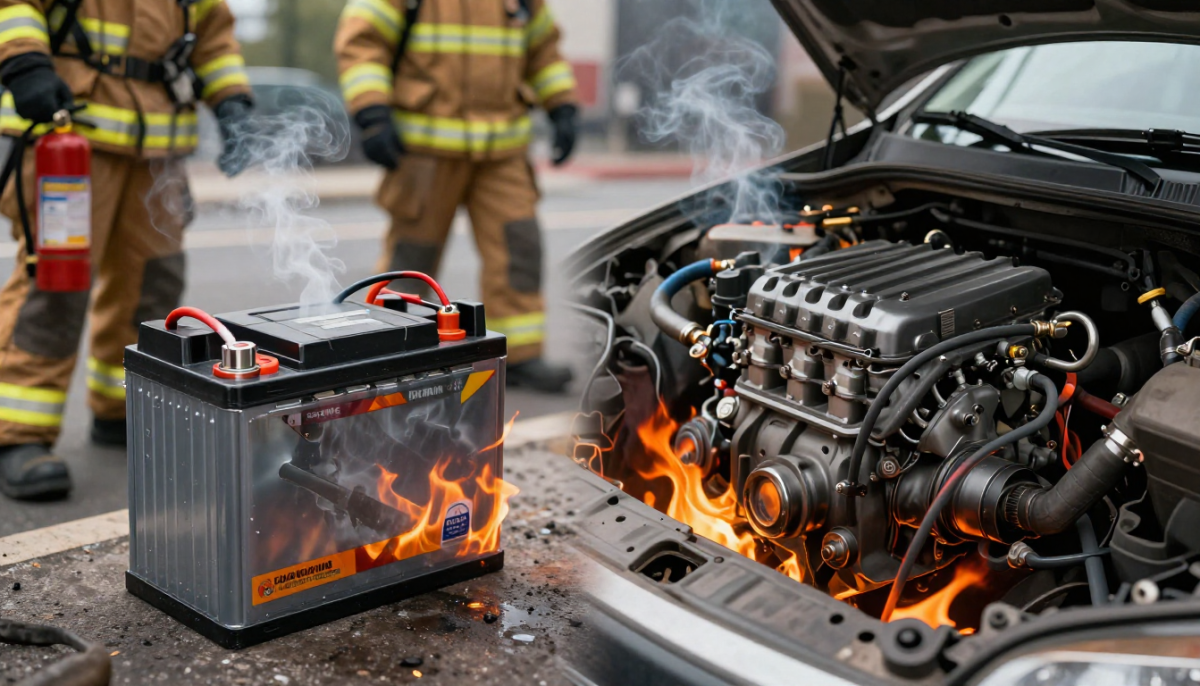
Fires do occur. Lithium-ion batteries can ignite when damaged or due to manufacturing defects. However, statistics from insurance companies in the US and Europe show that the likelihood of a fire per kilometer driven is higher for gasoline vehicles. Internal combustion engines contain flammable fuel, hot surfaces, and a complex fuel system.
The difference lies in the nature of the fire. A battery fire is more difficult to extinguish, as there is a possibility of re-ignition. This requires adaptation of firefighting protocols. However, it is incorrect to speak of a fundamentally greater danger - the risk is distributed differently, not higher by definition.
Myth #8. In winter, electric vehicles become unsuitable for operation.
Cold indeed reduces battery efficiency. At negative temperatures, the range can decrease by 10-30 percent depending on the model and operating mode. Additional energy is spent on heating the cabin.
But similar seasonal effects exist for internal combustion engine vehicles as well - increased fuel consumption, starting problems, battery wear. Modern electric vehicles are equipped with battery thermal management systems and heat pumps, which significantly reduce losses.
The experience of countries with cold climates - for example, Norway - shows that with developed infrastructure and adequate preparation, operation is possible without critical limitations.

Myth #9. Electric vehicles are exclusively a government subsidy story.
Government subsidies have indeed played a significant role in the development of the market. Tax incentives, direct payments to buyers, and investments in charging infrastructure have accelerated the spread of the technology.
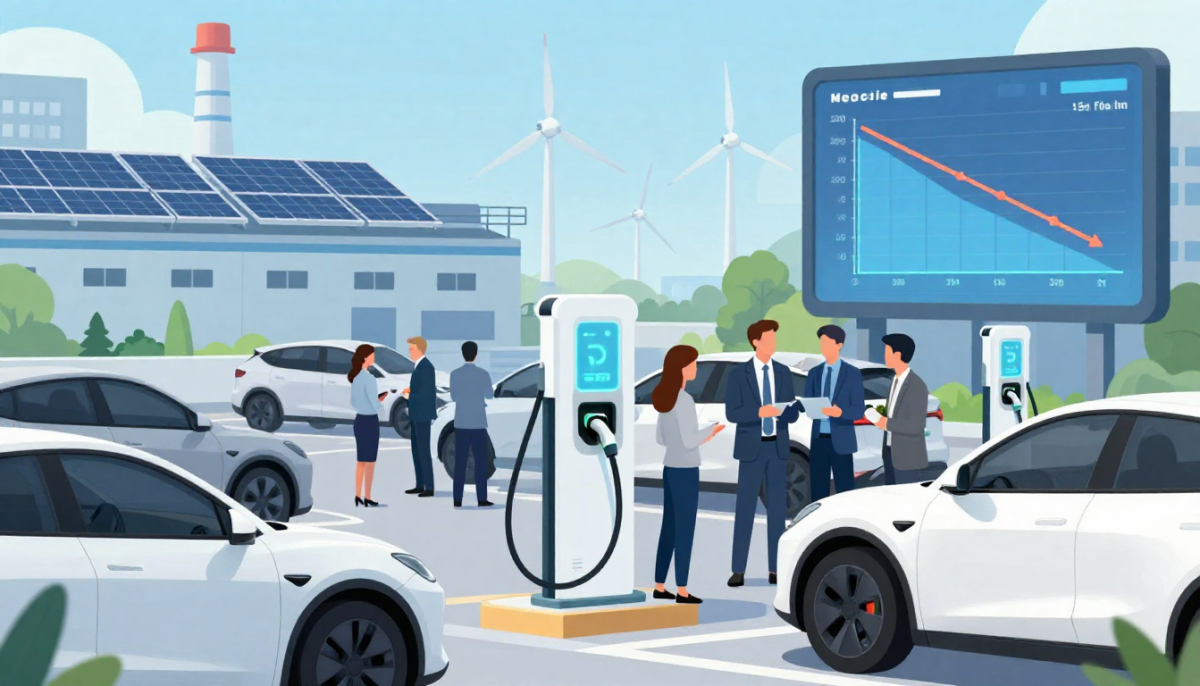
However, as production scales up, the cost of batteries is decreasing. According to BloombergNEF, the price of lithium-ion batteries has dropped by more than 80 percent from 2010 to 2023. This is a result of economies of scale and technological improvements, not just subsidies.
The market is already partially self-sustaining - especially in the commercial transport segment and corporate fleets, where savings on operation quickly offset initial investments.
Sources:
The history of the electric vehicle shows that technologies do not develop linearly. They compete, disappear, and return under changed conditions. The electric vehicle is neither a panacea nor a dead-end direction. Its advantages and limitations depend on energy sources, infrastructure, and the quality of battery recycling. It should be evaluated not through slogans, but through the complete technological and economic cycle.
- David A. Kirsch. The Electric Vehicle and the Burden of History. Rutgers University Press, 2000
- Gijs Mom. The Electric Vehicle - Technology and Expectations in the Automobile Age. Johns Hopkins University Press, 2004
- Vaclav Smil. Energy and Civilization - A History. MIT Press, 2017
- U.S. Department of Energy. Alternative Fuels Data Center - Historical data on early electric vehicles
- International Energy Agency. Global EV Outlook, latest editions
- BloombergNEF. Battery Price Survey, latest reports
You might like

An RV is not an apartment on wheels: debunking myths about mobile homes
There is a persistent romantic aura surrounding motorhomes. In the popular imagination, it symbolizes absolute freedom, mobile real estate, and almost a vehicle...

Can you build a bunker by yourself: what popular instructions simplify
The idea of "building a bunker with your own hands" today sounds less like a fantasy from movies and more like a quite practical project. The rise in anxiety, discussions about technogenic...

What a smart home can really do and what you shouldn't expect from it
The conversation about the "house of the future" usually follows the same script. We recall the fantasies of the mid-20th century, list modern gadgets, and...