
What a smart home can really do and what you shouldn't expect from it
The conversation about the "house of the future" usually follows the same scenario. We recall the fantasies of the mid-20th century, list modern gadgets, and then almost imperceptibly transition to the belief that in a few years, housing will become completely autonomous and will anticipate our desires. In the original material, this is how the logic is structured: from the first experiments of the 1950s to the trends of the 2020s and almost unconditional optimism about the future.
But behind this smooth line of progress lie several persistent myths. They concern both the history of the smart home and its real capabilities, technological limitations, and risks. Let’s analyze them sequentially—not to devalue the technology, but to separate verifiable facts from promotional expectations.
Myth #1. A smart home is an invention of the 21st century.
The text creates the impression that the "smart home" is a relatively new phenomenon, which only gained real development in the 2010s. In fact, the idea of home automation is much older.
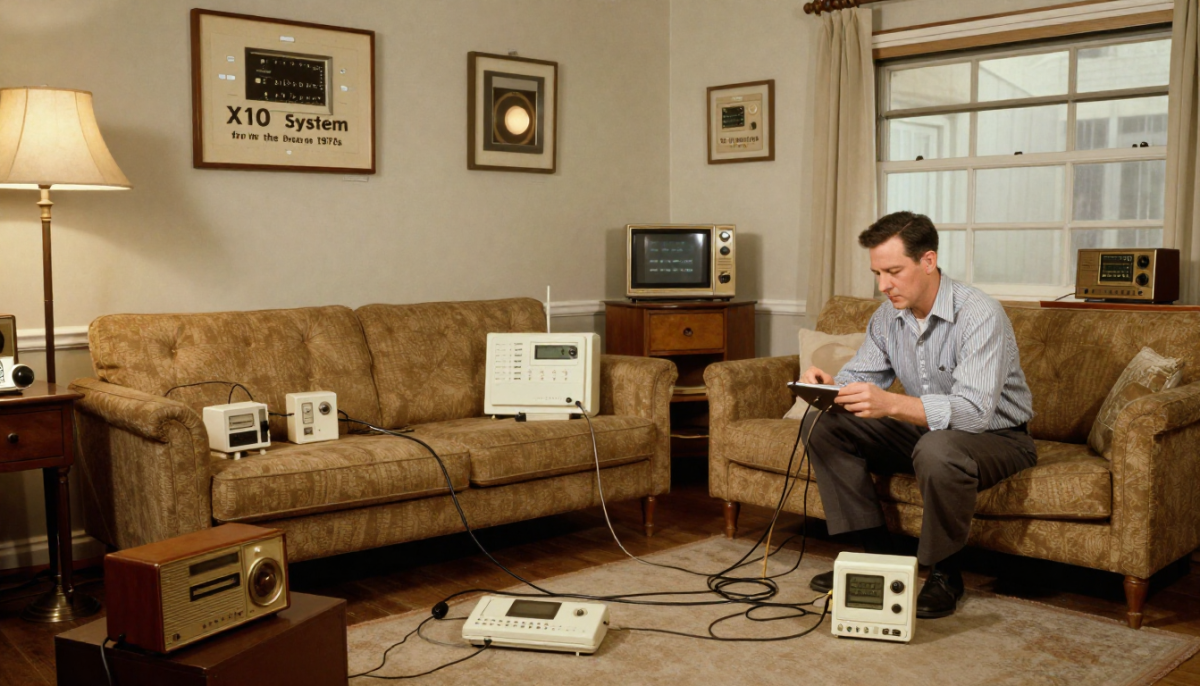
In the 1950s, the magazine Popular Mechanics indeed published materials about early experiments with the automation of private homes. One of the most well-known enthusiasts was engineer Emil Mathias, who used kilometers of cable to control lighting, radio, and the garage door. These were electromechanical systems, far from modern digital networks, but essentially the same attempts at centralized control of household processes.
A key technological milestone was the X10 standard, developed by Pico Electronics in 1975. It allowed control signals to be transmitted over the regular electrical network. This meant that separate communication lines were not required for basic automation. From the late 1970s, X10 was actively used in the USA and Europe, and by the 1980s, a market for home automation had formed.
The 2010s indeed became a period of mass growth. The emergence of smartphones, cloud services, and cheap wireless protocols made the system accessible to a wide audience. Companies like Apple, Samsung, and Amazon offered ecosystems aimed at the mass user. But this was a stage of commercialization and integration, not the moment of the idea's birth.
The smart home technology is not a sudden leap of recent years, but a gradual development over more than half a century.
Myth #2. A smart home makes decisions on its own.
In the text, a smart home is described as a system that "makes decisions on its own and performs routine tasks." The wording sounds convincing but requires clarification.
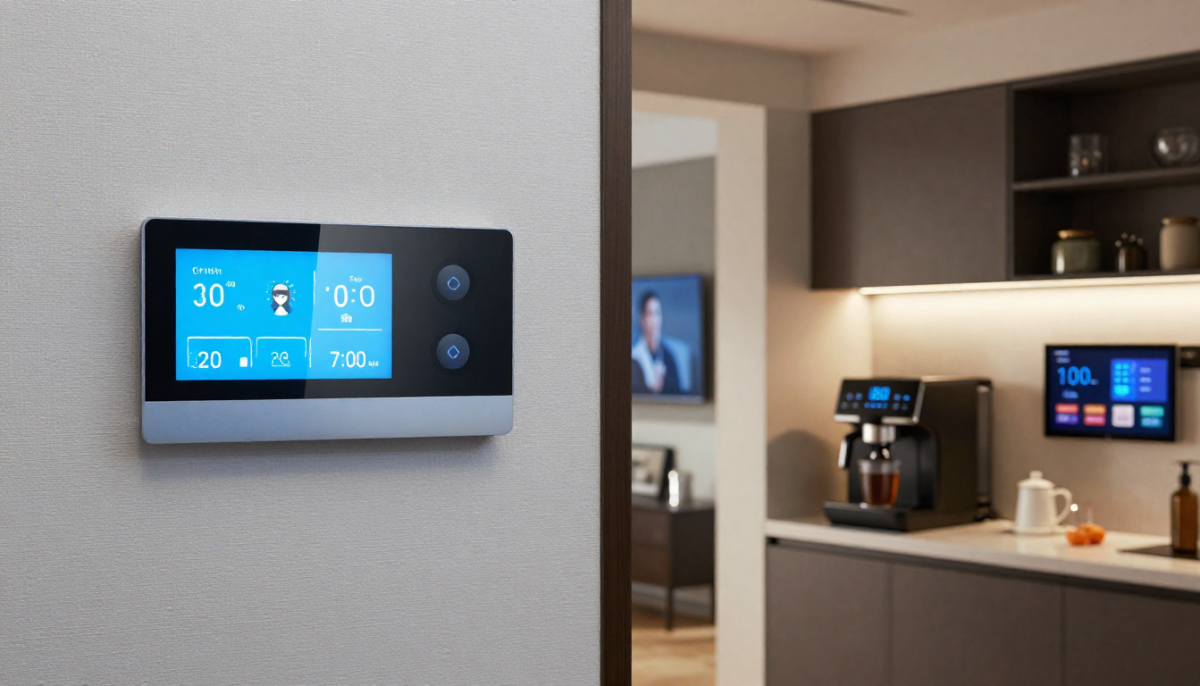
Modern automation systems operate on two basic principles: scenarios and sensor responses. A central controller or cloud service processes pre-defined rules. If the temperature is below a set threshold - turn on the heating. If a motion sensor detects activity at night - turn on the lighting or alarm. If the time is 7:00 - start the coffee machine.
Even more advanced algorithms that use machine learning do not make decisions in the human sense. They identify statistical patterns in user behavior and adjust system parameters. This is adaptive automation, but not autonomous thinking.
When it is said that a home "anticipates desires," it usually refers to forecasting based on a history of actions. For example, if a user regularly lowers the temperature before bedtime, the system will suggest automating this scenario. This is convenience, but not independent will.
Therefore, it is more accurate to speak not of a home that thinks, but of a home that executes complex sets of pre-defined or learned rules.
Myth #3. Full integration of devices is a question for the coming years.
The text states that the future lies in the total integration of all devices and their seamless interaction. In practice, compatibility remains one of the main problems in the industry.
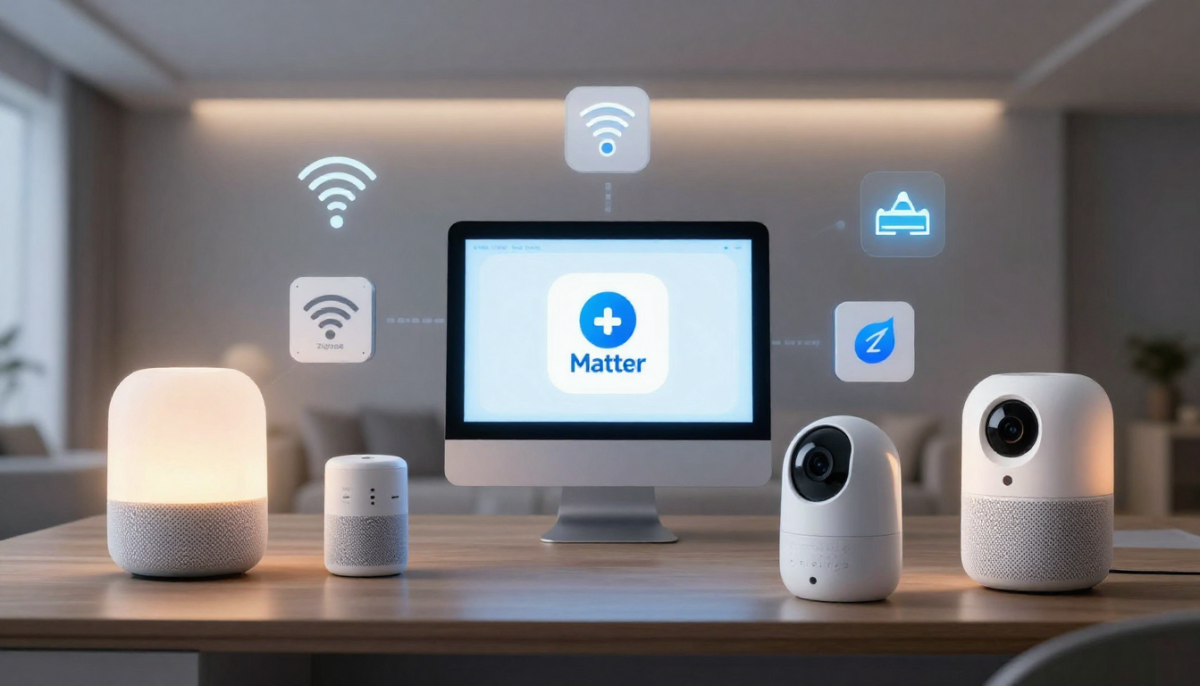
The market is fragmented. There are different communication protocols - Wi-Fi, Zigbee, Z-Wave, Thread. Manufacturers create their own ecosystems, in which devices work best within their "own" platform. A user combining devices from different brands often encounters limitations in functionality.
An attempt to solve the problem was the Matter standard, introduced in 2022 by a consortium of major companies in the industry. Its goal is to ensure cross-platform compatibility. However, even with a single standard, questions about updates, security, and support for older devices remain.
Complete integration is not only a technical challenge but also an economic one. Manufacturers are not always interested in full openness of their ecosystems. Therefore, the scenario of a perfectly coordinated home remains more of a direction for development than an achieved reality.
Myth #4. The security of a smart home can be fully guaranteed.
The text discusses special materials that suppress Wi-Fi signals, which supposedly solve the problem of external interference. Such an idea exists, but it does not eliminate key risks.
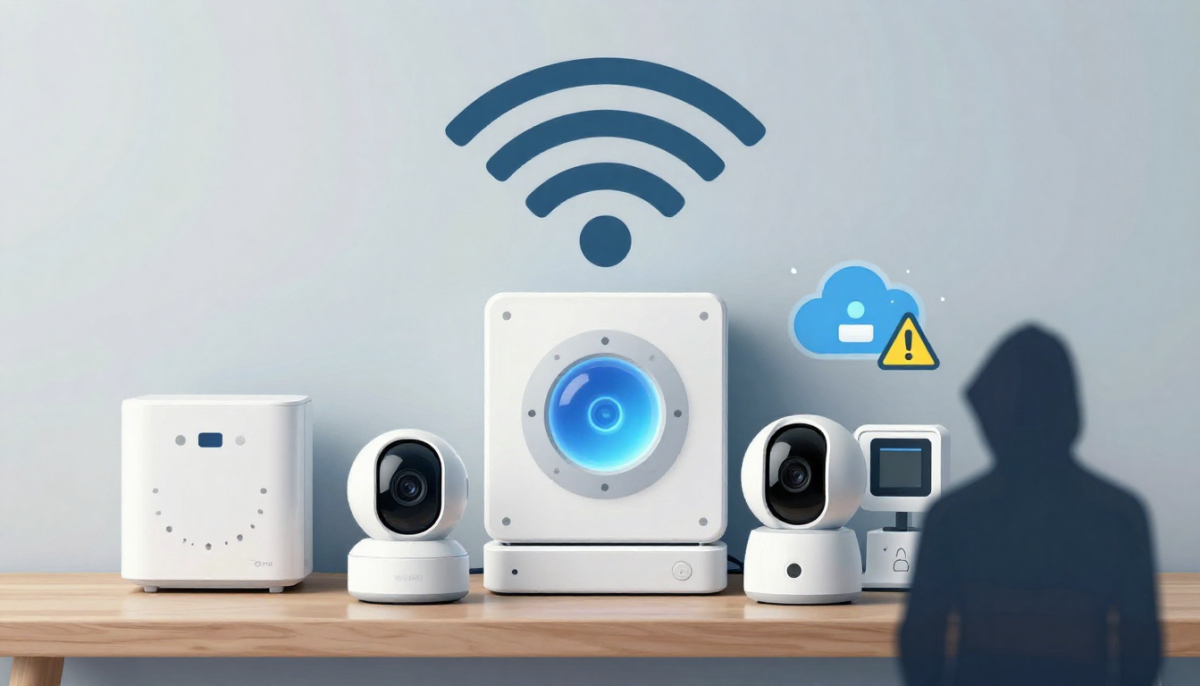
Most vulnerabilities are not related to the physical interception of signals through walls, but rather to software bugs, weak authentication, outdated firmware, and data leaks through cloud services. Internet of Things devices are regularly the subject of cybersecurity research, and vulnerabilities are discovered quite often.
Moreover, centralized systems create a single point of failure. If the controller or cloud service is unavailable, a significant part of the functionality may be paralyzed.
A realistic approach to smart home security includes regular updates, network segmentation, complex passwords, and choosing manufacturers with a transparent support policy. Technology reduces some risks but adds others.
Myth #5. A smart home always saves money
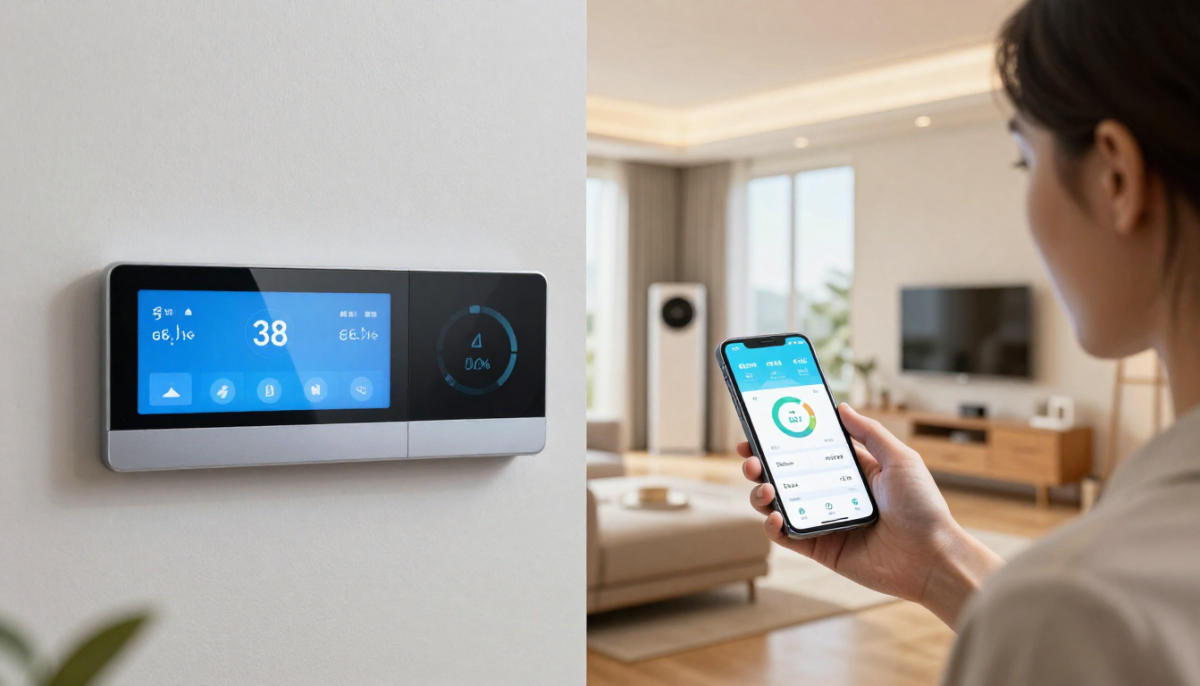
In popular descriptions of smart homes, two theses are almost automatically linked - automation and savings. It is assumed that sensors, algorithms, and remote control inevitably reduce electricity and heating bills.
Research shows a more complex picture. Studies in the field of energy feedback, such as Sarah Darby's analysis from Oxford, demonstrate that monitoring systems can indeed reduce consumption by 5-15 percent - but only with active user participation. If a person ignores the data or turns off notifications, the effect quickly diminishes.
Moreover, a smart home consumes energy by itself. Constantly connected devices, routers, hubs, cloud services - all of this creates a background load. In some cases, additional gadgets offset part of the potential savings.
Automation can help reduce costs, especially in heating and lighting systems. But it does not guarantee savings without careful configuration and user discipline.
Myth #6. Autonomy means independence from the outside world.
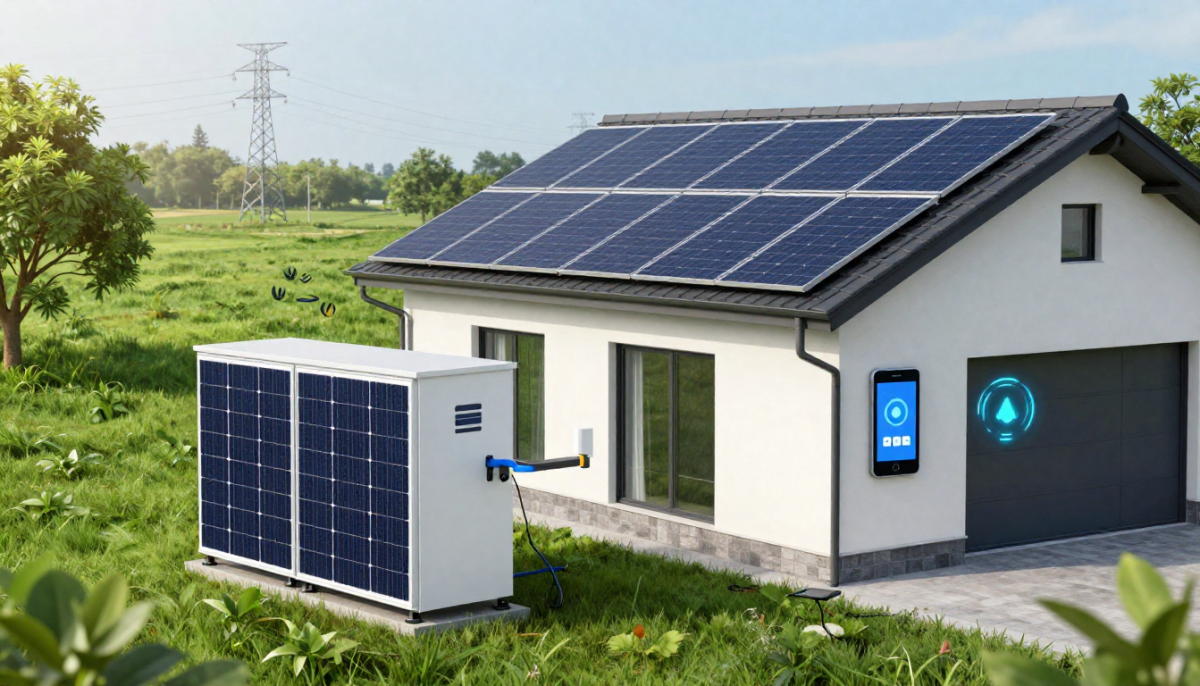
The text mentions solar panels and energy storage as a step towards autonomous living. This is an important direction, but the term "autonomy" is often used too broadly.
Most modern systems are deeply integrated with cloud services. Voice assistants, behavior analytics, remote control - all of this requires a constant internet connection and the operation of the manufacturer's servers. When the network is down, some functions become unavailable.
Even energy autonomy is usually partial. A house with solar panels often remains connected to the grid for load balancing and selling excess energy.
Real independence requires a comprehensive architecture - local servers, backup communication channels, a well-thought-out energy scheme. In the mass market, such solutions are still rare.
Myth #7. The more automation, the higher the comfort
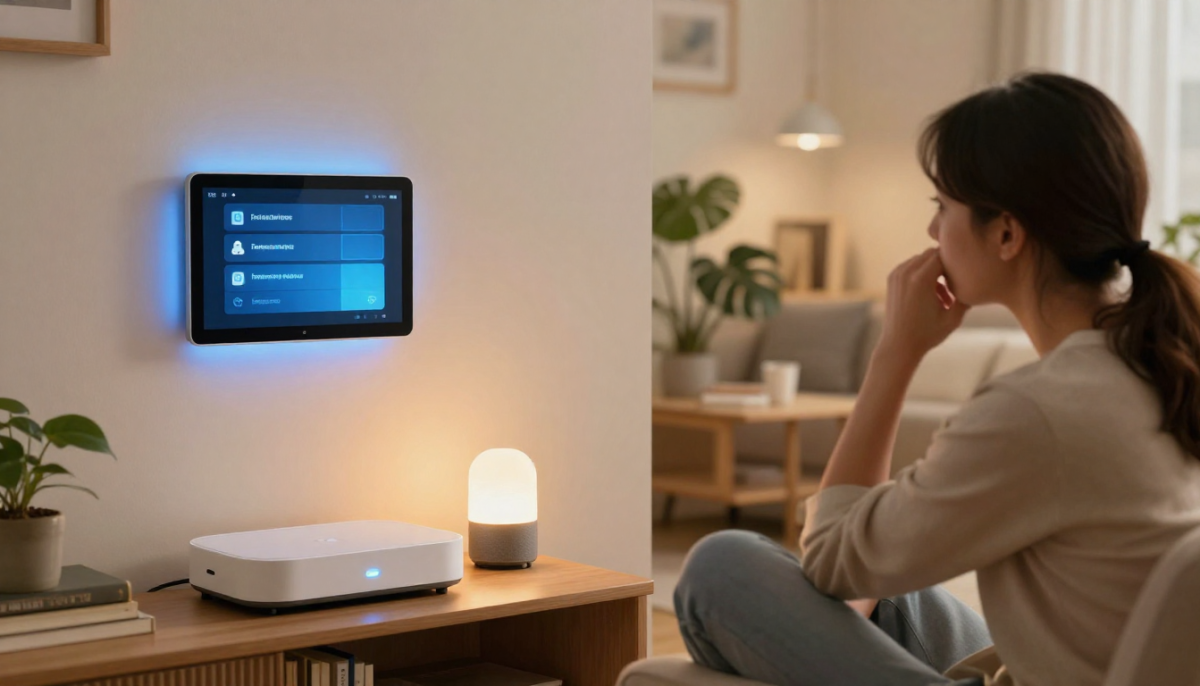
Intuitively, it seems that the maximum number of scenarios and sensors automatically increases convenience. However, user experience research shows that excessive automation can create frustration.
If the system suggests changes too often, incorrectly interprets behavior, or acts at inappropriate moments, the user starts to disable functions. Paradoxically, some people revert to manual control precisely because of the overload of automatic reactions.
Comfort is not related to the number of functions, but to their predictability and transparency. The user must understand why the system made a particular decision. When the logic of operation is opaque, the feeling of control decreases.
A smart home enhances comfort when its automation is unobtrusive and logically integrated into everyday scenarios.
Sources
A smart home is not a futuristic fantasy or a fully autonomous intelligence, but a gradually evolving automation system based on sensors, algorithms, and network protocols. Its capabilities are real, but they are limited by architecture, standards, and security issues. Current trends show a movement towards greater integration and adaptability; however, fully self-managing housing is still a long way off.
- Harper, R. 2003. Inside the Smart Home. Springer
- Aldrich, F. 2003. Smart Homes - Past, Present and Future. In: Harper R. (ed.) Inside the Smart Home. Springer
- Darby, S. 2006. The effectiveness of feedback on energy consumption. Environmental Change Institute, University of Oxford
- Balta-Ozkan, N., Davidson, R., Bicket, M., Whitmarsh, L. 2013. Social barriers to the adoption of smart homes. Energy Policy, 63
- ISO/IEC 14543-3-10:2012. Information technology - Home Electronic Systems - X10 control protocol
You might like

An RV is not an apartment on wheels: debunking myths about mobile homes
There is a persistent romantic aura surrounding motorhomes. In the popular imagination, it symbolizes absolute freedom, mobile real estate, and almost a vehicle...

Can you build a bunker by yourself: what popular instructions simplify
The idea of "building a bunker with your own hands" today sounds less like a fantasy from movies and more like a quite practical project. The rise in anxiety, discussions about technogenic...

Electric Vehicles: History, Limitations, and Real Prospects
The electric car is often perceived as a technological novelty of the 21st century - as a product of the climate agenda, digitalization, and startups from Silicon Valley...