
Is there life beyond Earth: an analysis of popular misconceptions
The question of life beyond Earth has long transcended the realm of science fiction. Today, it is the subject of rigorous astronomical observations, planetary science, biochemistry, and engineering calculations. Over the past three decades, thousands of exoplanets have been discovered, data on Mars's past has been clarified, Titan's atmosphere has been studied, and space agencies are discussing real timelines for crewed missions. However, in popular presentations, these topics are often simplified: potential habitability turns into "almost ready life," technical projects become imminent colonization, and individual scientific hypotheses transform into confident predictions.
The original text of the video about life on other planets reflects precisely these popular notions. Below, I will analyze the key theses in the format of myths that require clarification and verification.
Myth #1. If a planet is in the habitable zone, it almost certainly can support life.
The TRAPPIST-1 system is presented as an "ideal target" for the search for life, and three of the system's planets are named as the most suitable due to their location in the habitable zone. This is only partially correct.
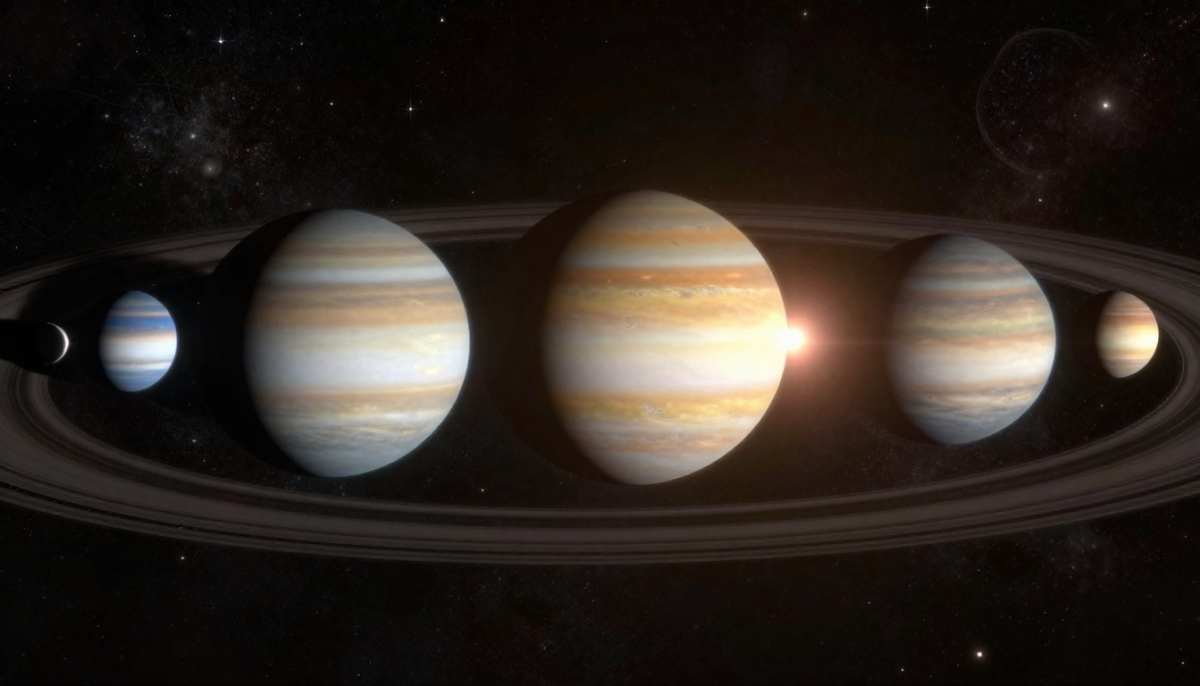
The TRAPPIST-1 system indeed consists of seven Earth-sized planets, three of which are located in the so-called habitable zone - the region where, under certain conditions, water can exist in liquid form. However, being in this zone alone does not guarantee suitability for life.
The TRAPPIST-1 star is an ultra-cool red dwarf. Such stars are prone to powerful flares and radiation bursts. For planets that are close to the star, this means high radiation exposure and potential atmospheric loss. Additionally, due to the proximity of their orbits, there is a high likelihood of tidal locking - where one side of the planet is always facing the star. This creates an extreme temperature contrast between the day and night sides.
The habitable zone is a geometric condition, not a biological conclusion. To speak of potential life, data on atmospheric composition, pressure, magnetic field, and climate stability are necessary. Until such data is available, TRAPPIST-1 remains a scientifically interesting object, but not an "almost habitable world."
Myth #2. Titan could be a habitable world almost on par with Earth, just with different chemistry.
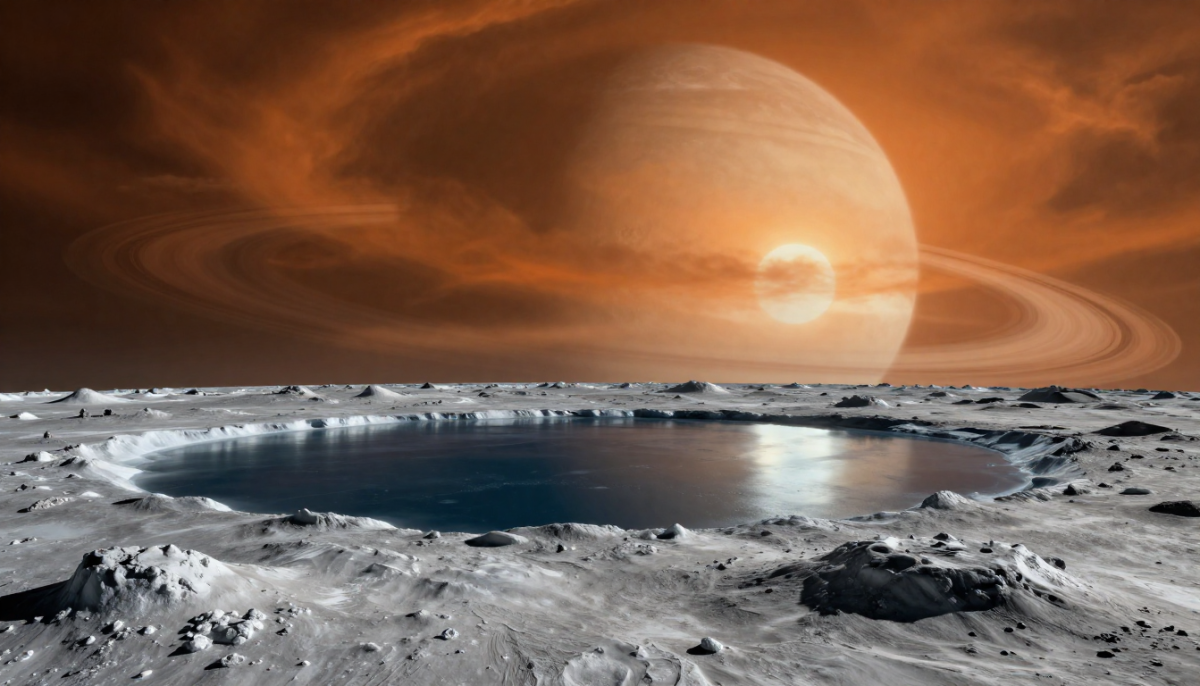
Titan, the largest moon of Saturn, is indeed unique. It has a dense atmosphere, surface seas, and complex organic chemistry. However, the idea that life could "comfortably" exist there in hydrocarbons requires caution.
The temperature on Titan's surface is about -179 degrees Celsius. Methane and ethane do exist there in liquid form, but biochemistry based on such solvents remains purely hypothetical. Water on Titan is present as ice, which at these temperatures is as strong as rock.
There are interesting laboratory studies on the possible membrane structure of cells in liquid methane; however, no biomarkers or direct evidence of life have been found. Moreover, the complexity of metabolic processes at such low temperatures raises serious doubts about the possibility of active biology.
Titan is a promising object for studying prebiotic processes. But to claim that it is a likely "alternative world of life" is still premature.
Myth #3. Mars is the most likely place where we will find life.
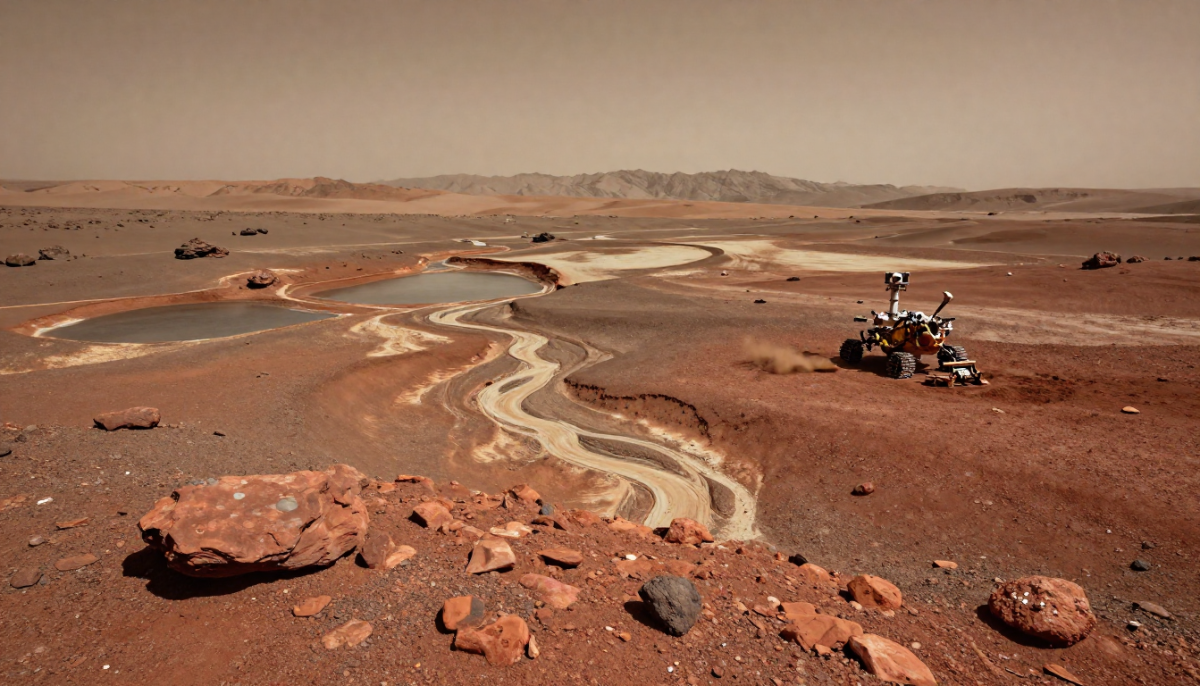
Mars indeed remains the main candidate for the discovery of traces of ancient microbial life. Geological data confirm the existence of rivers, lakes, and possibly temporary seas in the early history of the planet - over 3 billion years ago.
Rovers have discovered sedimentary rocks, water-formed minerals, and organic molecules. However, organic matter does not equal life. It can form through abiotic processes. So far, no unequivocal biosignature evidence has been found - for example, specific isotopic ratios or microstructures that cannot be explained by non-biological processes.
Modern Mars is extremely inhospitable: a thin atmosphere, high ultraviolet radiation, an average temperature of about -60 degrees Celsius, and the absence of a global magnetic field. If life does exist there, it is hypothetically in the subsurface layers.
Mars is a scientifically justified candidate for the search for ancient life. However, it cannot yet be said that there is a high probability of its discovery.
Myth #4. We already have ships ready to send people to Mars.
The text states that the Crew Dragon spacecraft can be used for a flight to Mars. This is technically incorrect.
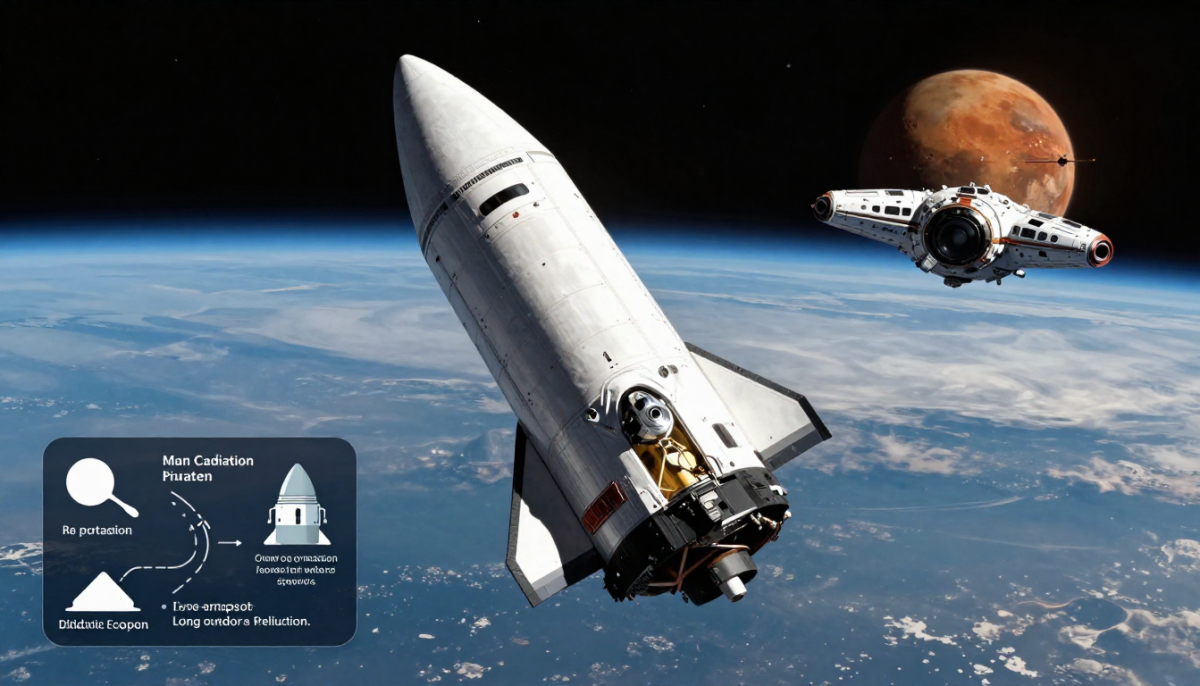
Crew Dragon was developed by SpaceX to transport crews to low Earth orbit and to the ISS. It is not designed for interplanetary flights, lacks autonomous life support systems for months, and is not equipped to protect against cosmic radiation outside of Earth's magnetosphere.
Interplanetary flight projects require a completely different class of technology - heavy launch rockets, interplanetary spacecraft with radiation protection, closed-loop life support systems, and enormous energy resources.
Yes, with current technologies, it is theoretically possible to send people to Mars in 6-8 months. But the key unresolved issue is radiation protection during prolonged flight. This is not a matter of desire, but of engineering and biomedical safety.
Myth #5. Having water is enough for life.
The text rightly emphasizes the role of water as a key factor for habitability. However, the popular formula "where there is water, there is life" oversimplifies the situation.
Liquid water is a necessary but not sufficient condition. In addition to it, a stable energy source, chemical elements in bioavailable form, long-term environmental stability, and protection from destructive factors - radiation, atmospheric evaporation, catastrophic climate shifts - are required.
Even on Earth, there are environments with liquid water that are extremely poor in biological diversity due to a lack of energy or necessary chemical gradients. If we apply this to other worlds, the transient existence of water - for example, episodic meltwater flows on ancient Mars - does not necessarily mean that conditions persisted long enough for the emergence and evolution of life.
In astrobiology, there is an increasing discussion not just about the "presence of water," but about stable geochemical cycles - carbon, nitrogen, sulfur - that must function over millions of years. Without this, even a perfectly located planet may remain sterile.
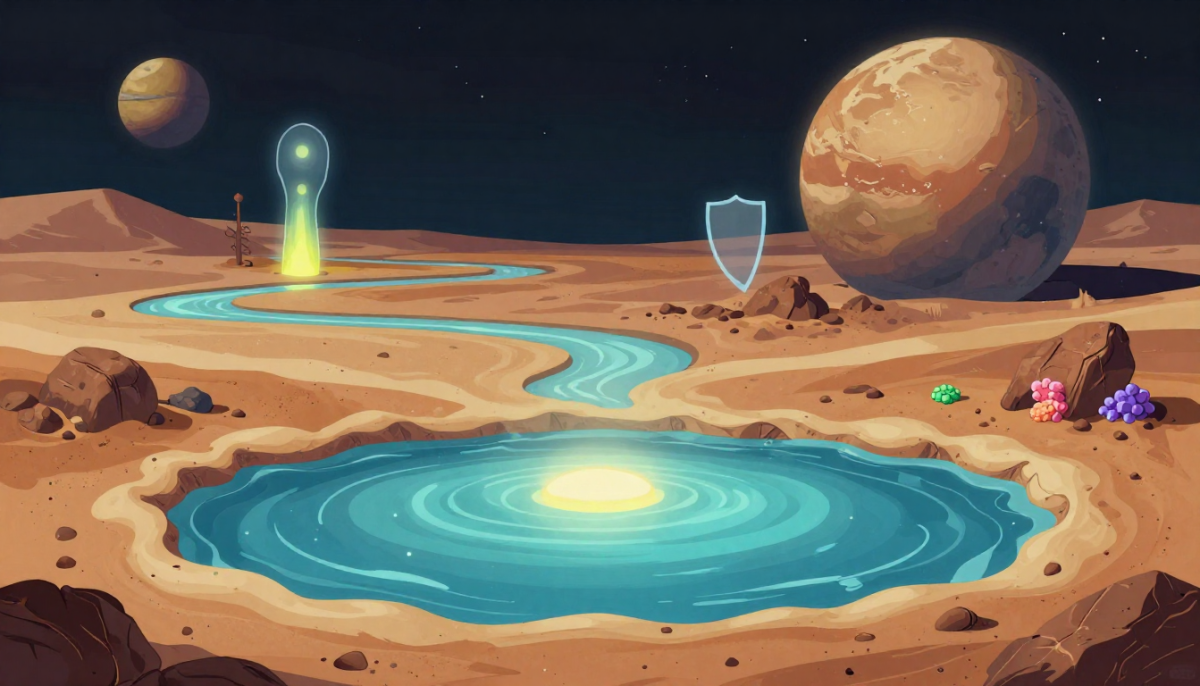
Myth #6. Since many exoplanets have been found, life in the Universe is almost inevitable.
In recent decades, more than 5,000 confirmed exoplanets have been discovered. In popular consciousness, this often leads to the conclusion: if there are so many planets, life must be everywhere.
However, we encounter the so-called Fermi paradox - if intelligent life is widespread, why do we not see its traces? The lack of observable signals does not prove that life does not exist, but it shows that the transition from a planet to a biosphere and then to a technological civilization may be extremely rare.
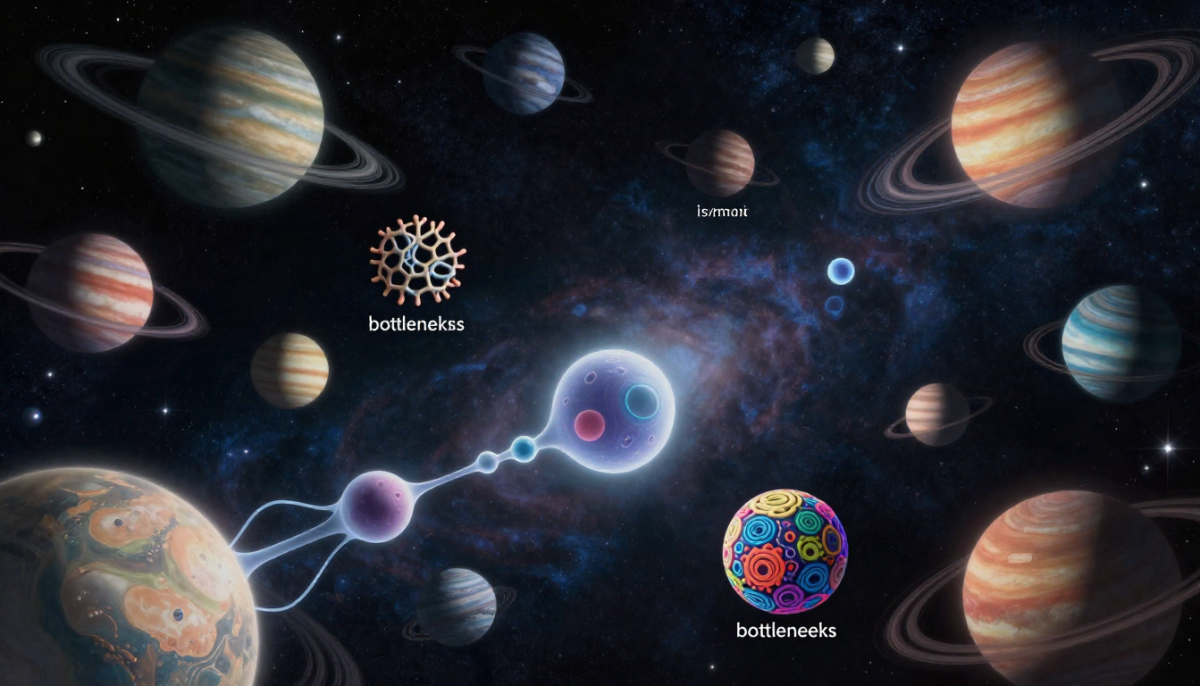
There may be "bottlenecks" - stages that are difficult to pass. For example, the emergence of self-replicating molecules, the transition to cellular organization, the onset of oxygenic photosynthesis, or the development of complex multicellularity. On Earth, each of these stages took hundreds of millions or even billions of years.
Planet statistics alone say nothing about the probability of biogenesis. We have a sample of one example - Earth. And with just one statistic, it is difficult to build confident probabilistic models.
Myth #7. Colonizing Mars in the coming decades is a matter of political will and money.
The text mentions the years 2045-2050 as goals for crewed missions. In the public domain, this is often presented as a realistic timeline.
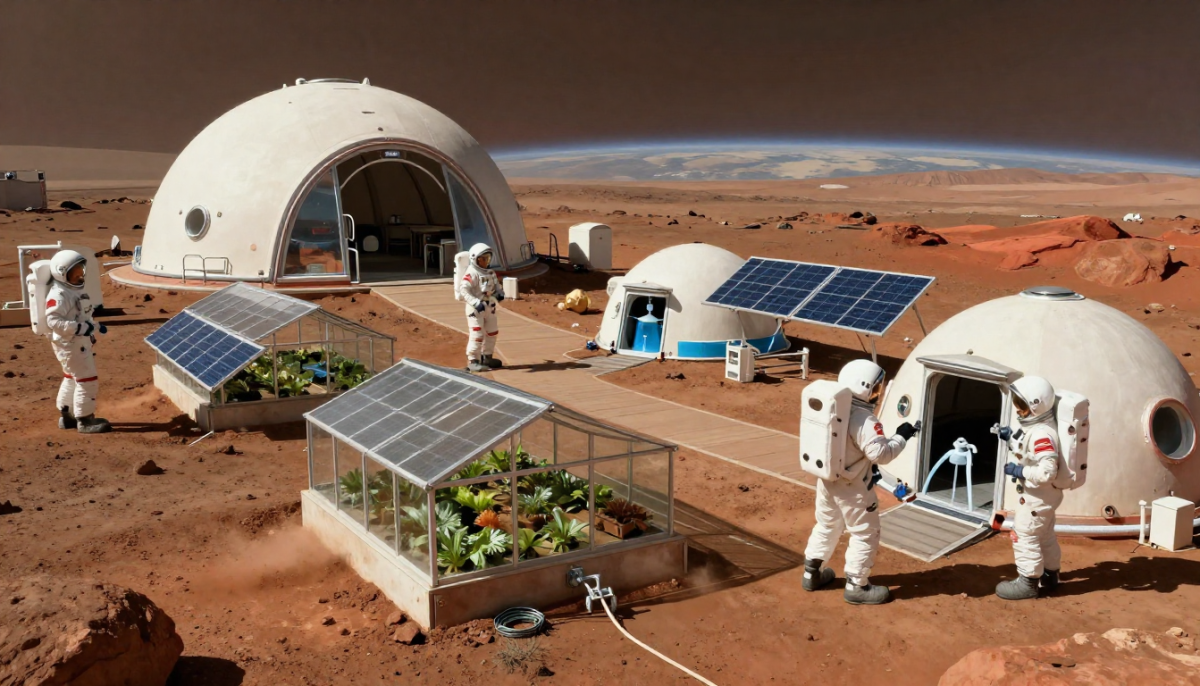
However, colonization is not just about landing a crew. It involves creating a self-sustaining infrastructure: producing oxygen, water, fuel, growing food, protection from radiation, medical autonomy, and psychological resilience in isolation.
Martian gravity is about 38 percent of Earth's. We do not know how long-term exposure to such conditions will affect the human body. The radiation exposure on the surface of Mars is significantly higher than on Earth. The dust contains toxic perchlorate compounds.
An expedition is possible. A permanent colony is a much more complex task that requires not only technology but also a long-term economic model. So far, such solutions have not been demonstrated.
Myth #8. If life exists, it will necessarily resemble life on Earth.
Even in popular science texts, it is often implied that extraterrestrial life will be based on a model familiar to us - cells, DNA, carbon chemistry.
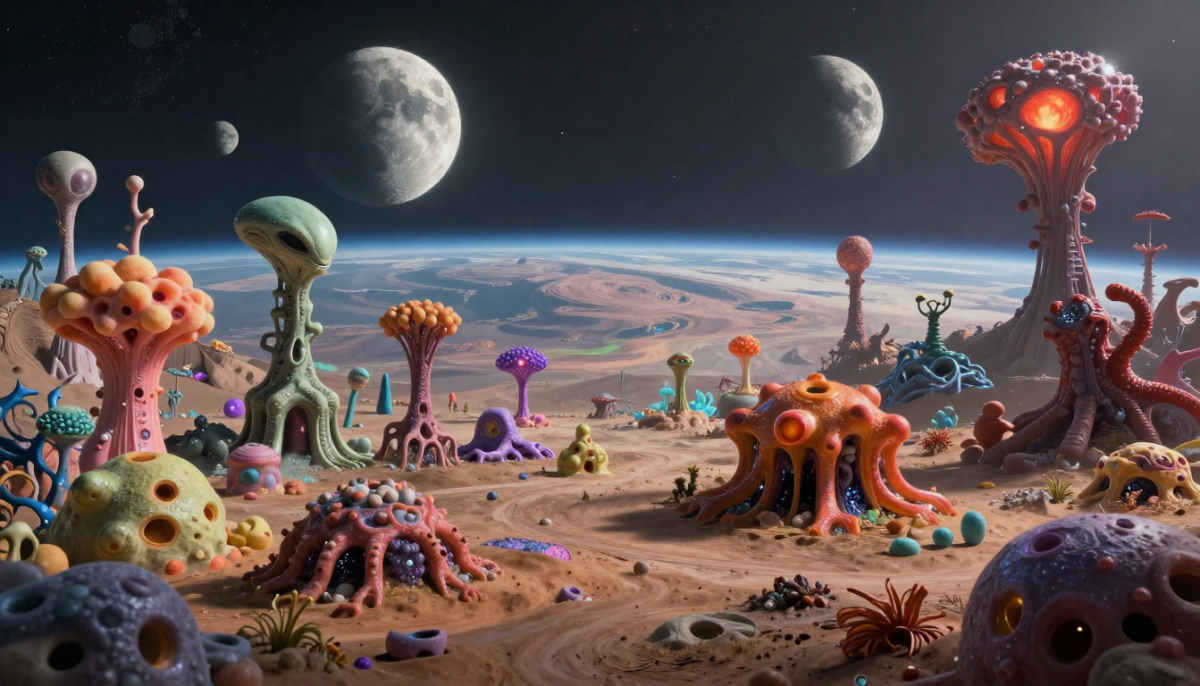
In reality, this is just a hypothesis based on the only known example - the Earth's biosphere. Carbon is convenient due to its chemical flexibility, and water is valued for its solvent properties. However, alternative biochemistries based on different solvents or polymer structures are theoretically possible.
The problem is that our tools for searching for biomarker signals are specifically oriented towards Earth-type life. We look for oxygen, methane in certain ratios, organic molecules of familiar types. If life turns out to be structured differently, we may simply fail to recognize it.
Therefore, the search for extraterrestrial life is not only a matter of detection but also a matter of correctly interpreting signals. We are limited by our own biological experience.
Sources
In the end, the picture looks like this. Scientific research has indeed advanced far: we know about thousands of exoplanets, study the atmosphere of Saturn's moons, and meticulously map ancient riverbeds on Mars. However, none of the examined locations currently provide direct evidence of the existence of life. Plans for colonization remain engineering projects rather than imminent realities.
As of today, we have candidates for the search for life and theoretical calculations for interplanetary missions. We do not have confirmed extraterrestrial biology and no ready infrastructure for mass relocation.
Gillon M. et al. Seven temperate terrestrial planets around the ultracool dwarf star TRAPPIST-1. Nature, 2017.
Luger R., Barnes R. Extreme water loss and abiotic oxygen buildup on planets throughout the habitable zones of M dwarfs. Astrobiology, 2015.
Lunine J. Titan as a prebiotic chemical laboratory. Proceedings of the American Philosophical Society, 2009.
Eigenbrode J. et al. Organic matter preserved in 3-billion-year-old mudstones at Gale crater, Mars. Science, 2018.
National Academies of Sciences. Space Radiation and Astronaut Health: Managing and Communicating Cancer Risks, 2021.
You might like

China on the path to global leadership: how sustainable is this growth?
China has undergone a transformation in recent decades that took centuries in other countries. From an agrarian, poor nation torn by internal conflicts...

An RV is not an apartment on wheels: debunking myths about mobile homes
There is a persistent romantic aura surrounding motorhomes. In the popular imagination, it symbolizes absolute freedom, mobile real estate, and almost a vehicle...